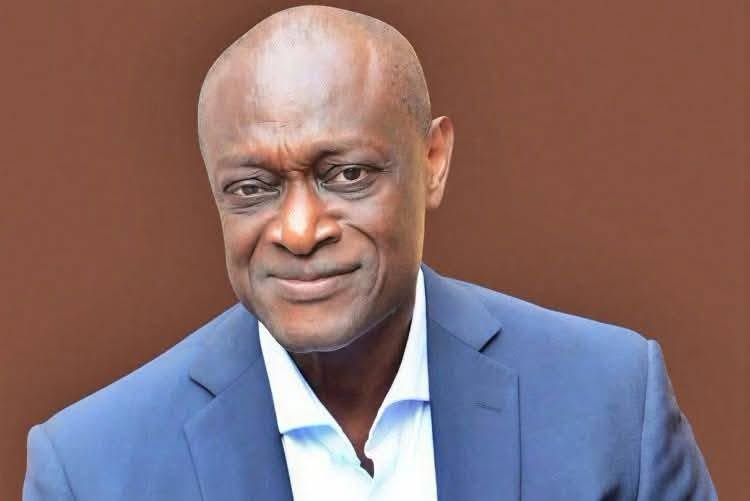
Who Is Martin Hackett? The Prosecutor Charged With Delivering Justice for Jammeh-Era Abuses
An in-depth look at the experience, mandate, and significance of The Gambia’s first Special Prosecutor
In 2025, The Gambia’s corruption index declined slightly compared to 2024, keeping it among countries perceived to have high levels of public sector corruption on the CPI.
A guide to The Gambia’s Data Protection Act—what it means for your personal information, the rights you have over your data, how institutions must handle it, and the penalties for those who misuse it.
More than 706 victims have received partial payments, representing 19 percent of their entitlements. The Reparations Commission will disburse the remaining balance, including payments to the 54 West African migrants.
Different election petitions are heard by different courts in The Gambia, depending on the office being contested. This explainer outlines which court has jurisdiction over each type of election petition and the procedures that must be followed in bringing and determining those cases.
As of now, The Gambia has 22 registered political parties ahead of the December elections, with numbers still evolving. If you’re interested in forming a party or simply want to understand the system, here’s everything you need to know about how to register a political party, the requirements, eligibility criteria, and other key considerations.
Starting January 2026, key U.S. visas for Gambians student, work, tourism, exchange face restrictions. Already in the U.S.? You’re safe. Planning to go? Here’s what you need to know.
In The Gambia, voters cast their ballots with marbles. A glass marble dropped into a drum rings a bell, confirming the vote. Simple, transparent, and trusted for decades, this unique system ensures everyone can participate and has become a symbol of Gambian democracy.
Despite constitutional guarantees, Gambians living abroad cannot vote due to constituency-based registration rules. In 2025, Parliament rejected a clause enabling diaspora voting, and practical mechanisms remain unimplemented even though diaspora remittances make up over 30% of GDP. The debate over overseas enfranchisement continues.
The Unite Movement for Change is not yet a political party, despite public perception and social media discussions suggesting otherwise.