
Explainer: How the Ministry of Youth and Sports Violated The Gambia’s Procurement Law
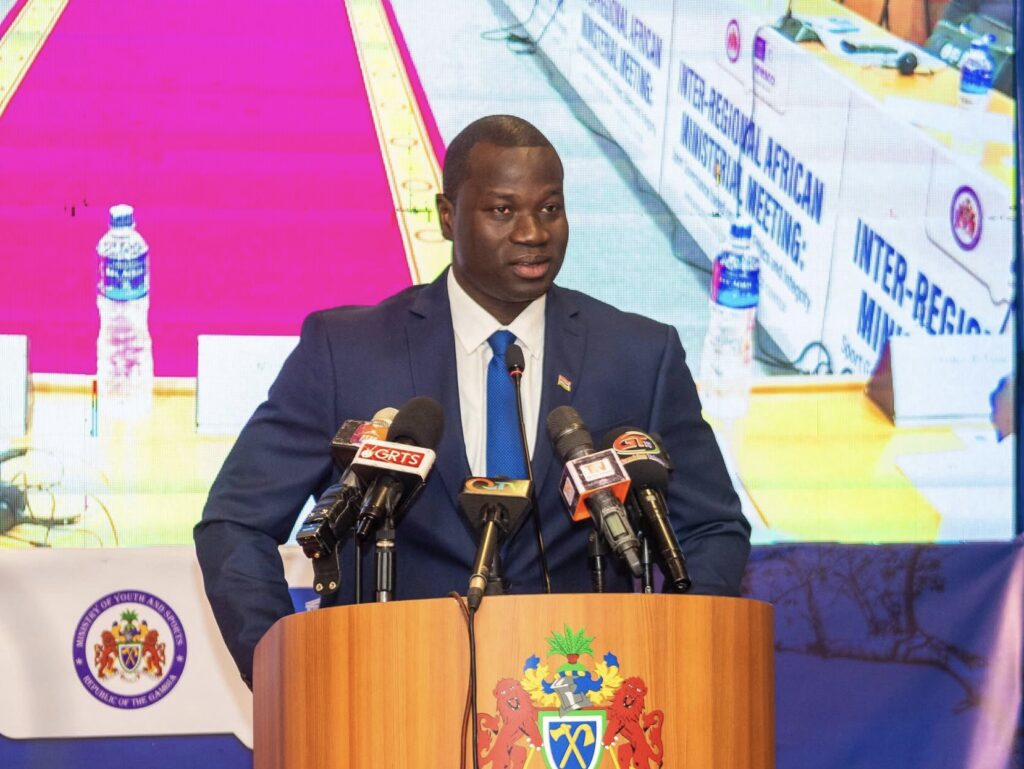
Malagen finds that the Ministry of Youth and Sports flouted procurement laws by awarding over D245 million in stadium contracts without open tender. The breach, revealed in the 2023 audit report, exposes serious lapses in transparency and accountability.
When the National Audit Office (NAO) released the government’s 2023 financial statements audit report, it once again highlighted serious procurement violations, echoing concerns raised in previous years. The audit revealed instances where public funds were spent without following proper procurement procedures, raising questions about transparency, accountability, and the management of government projects.
In this explainer, Malagen breaks down what went wrong, what the law requires, the possible penalties for violations, and who is responsible for investigating and enforcing compliance. Understanding these processes shows how procurement rules are meant to protect public resources, prevent corruption, and ensure that government projects are delivered fairly and efficiently.
What Happened?
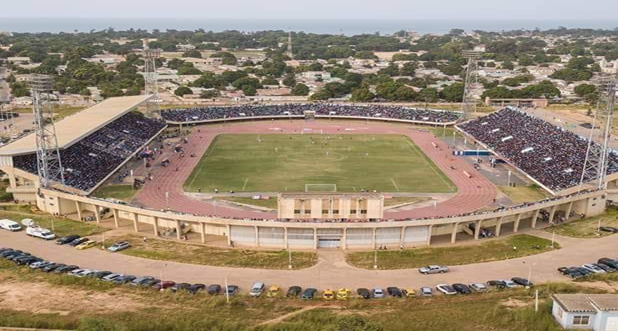
One of the most significant violations highlighted in the 2023 audit report relates to the ongoing Independence Stadium rehabilitation project. The auditors found that contracts worth over D245 million were awarded without proper tendering. This included Phase Two, which cost D153,160,672.25, and Phase Three, which cost D83,005,868.83. By directly awarding these contracts instead of following the open competition process required by law, the Ministry bypassed a key safeguard meant to ensure transparency and value for money.
The audit also revealed that the project timeline was extended without the necessary approval from the Gambia Public Procurement Authority (GPPA), which is required under procurement regulations. In addition, the Ministry executed single sourcing worth D10 million for stadium renovations without seeking GPPA approval, further violating the law.
The full details of these violations are outlined in the NAO 2023 audit report, highlighting instances of of procurement rules being ignored.
What the Law Says
The violations identified in the audit go against several sections of The Gambia’s procurement laws. The GPPA Regulations, 2019 and the GPPA Act, 2014 clearly outline the rules that all ministries and public bodies must follow.
According to the regulations, any procurement valued at D1 million or more must be submitted to the GPPA Contracts Committee for approval. The GPPA also has the power to restrict contract extensions or additions, ensuring that no project can be arbitrarily expanded without oversight.
Section 38 of the GPPA Act further requires that procurement should generally be conducted through open tender proceedings, a process that promotes fairness, transparency, and competition.
By bypassing these rules, the Ministry violated the procurement framework designed to safeguard public resources from waste, favoritism, and corruption.
Penalties for Procurement Violations
The law takes procurement violations very seriously. The GPPA can impose administrative sanctions, including suspending or debarring suppliers and contractors for up to five years, effectively barring them from participating in future government contracts. These sanctions are intended to prevent unscrupulous suppliers from taking advantage of government projects and to protect public funds.
But it is not just suppliers who face consequences. Permanent Secretaries, heads of ministries, or other officials responsible for procurement can be held personally liable for financial losses caused by violations. This ensures that those overseeing public resources cannot escape accountability.
Even more serious are the criminal consequences outlined in Section 69 of the GPPA Act, 2014. Under this section, anyone who knowingly contravenes the Act may face a fine of up to one million dalasi, imprisonment for up to five years, or both. This makes procurement violations not just administrative infractions but potential criminal offenses
In short, breaking procurement rules can result in loss of business opportunities, legal trouble, personal financial liability, and even jail time.
Who Investigates Procurement Violations?
Investigating procurement violations depends on the type of breach. The NAO identifies problems by auditing government accounts and highlighting irregularities in its reports. The GPPA regulates procurement processes, investigates breaches, and can impose administrative sanctions.
If violations suggest fraud, corruption, or criminal misconduct, the matter may be referred to the police, the Ministry of Justice, or the Anti-Corruption Commission (once fully operational). These bodies have the authority to investigate crimes, prosecute offenders, and enforce criminal penalties.
In short: NAO identifies and reports violations, GPPA regulates and sanctions, while law enforcement and judicial authorities enforce accountability.
What Could Happen in the Ministry of Youth and Sports Case?
Based on the audit findings, several outcomes are possible. The GPPA could review the contracts for the Independence Stadium project and decide to impose administrative sanctions on the contractors or suppliers involved. This could include suspension or debarment, preventing them from participating in future government projects for a period of one to five years.
Officials in the Ministry of Youth and Sports who handled the contracts could be personally responsible for the misused money. This means they might face disciplinary action, have to pay back the government, or face other penalties.
If the breach is deemed criminal, law enforcement authorities such as the police or the Ministry of Justice may launch an investigation. Under Section 69 of the GPPA Act, officials found guilty of knowingly violating procurement rules could face fines up to D1 million, imprisonment for up to five years, or both.
Ultimately, the case will test whether accountability mechanisms in The Gambia’s public procurement system can ensure that rules are followed, public funds are protected, and those responsible are held to account.
What’s at Stake?
Procurement is one of the government’s largest areas of spending. When rules are ignored, taxpayers’ money is at risk, projects may be delayed or poorly executed, and public confidence in government institutions is weakened. Officials responsible for such breaches face personal liability, potential legal sanctions, and lasting damage to their careers.
The Independence Stadium case demonstrates why strict adherence to procurement rules is essential. These laws exist to protect public resources, ensure fairness, and hold institutions and individuals accountable. Without enforcement, government projects risk inefficiency, mismanagement, and corruption, which ultimately affects the lives of Gambians.
