
Explainer: Why Gambians Keep Faith in the Marble Voting System
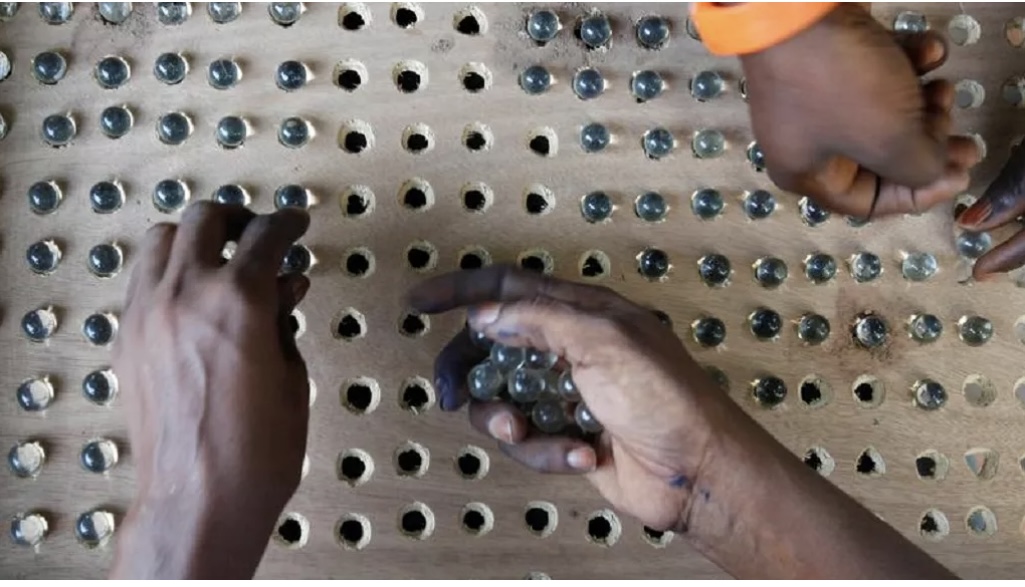
In The Gambia, voters cast their ballots with marbles. A glass marble dropped into a drum rings a bell, confirming the vote. Simple, transparent, and trusted for decades, this unique system ensures everyone can participate and has become a symbol of Gambian democracy.
When Gambians go to the polls, they do not mark ballot papers or use electronic machines, as is common in many countries. Instead, each voter drops a small glass marble into a sealed metal drum assigned to their preferred candidate. The drum contains a bell, and the sound made when the marble lands confirms that a single vote has been cast.
Though unusual by global standards, this system is not a novelty. It was deliberately designed to suit the country’s social and political context, prioritising accessibility, transparency, and trust. Over decades of use, it has become a widely accepted and defended feature of Gambian elections, valued for its simplicity and reliability.
Born Out of Necessity
The marble voting system was introduced in the 1960s, shortly after The Gambia gained independence, in response to a practical challenge facing the young democracy: widespread illiteracy. At the time, relying on written ballot papers risked excluding large numbers of citizens from participating fully in elections.
Marbles and colour-coded metal drums provided a straightforward alternative. Each drum is marked with a candidate’s photograph, party symbol, and colour, enabling voters to identify their choice visually rather than through text.
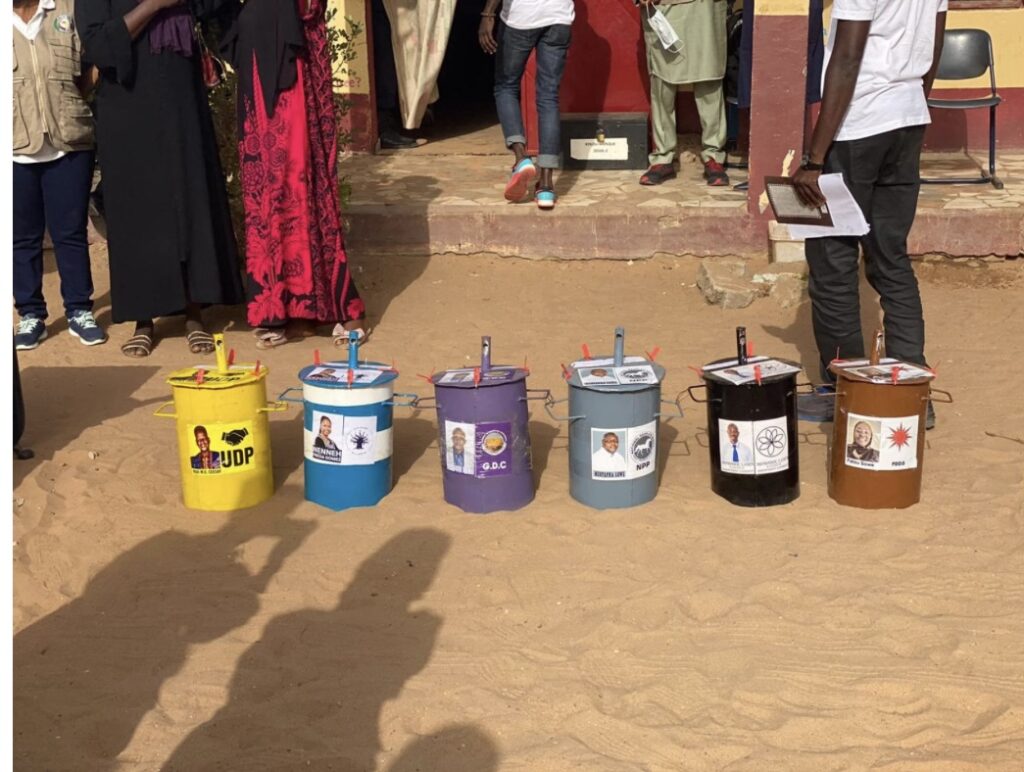
This design allows voters regardless of their ability to read or write to cast their ballots independently and with confidence, ensuring broad participation at a formative stage of the country’s democratic journey.
How the System Builds Trust
Beyond making voting accessible, the marble system was also designed with safeguards against fraud. Each drum contains a bell that rings loudly when a marble is dropped, signalling that a single vote has been cast. Because voters receive only one marble, any attempt to vote more than once would be immediately noticeable.

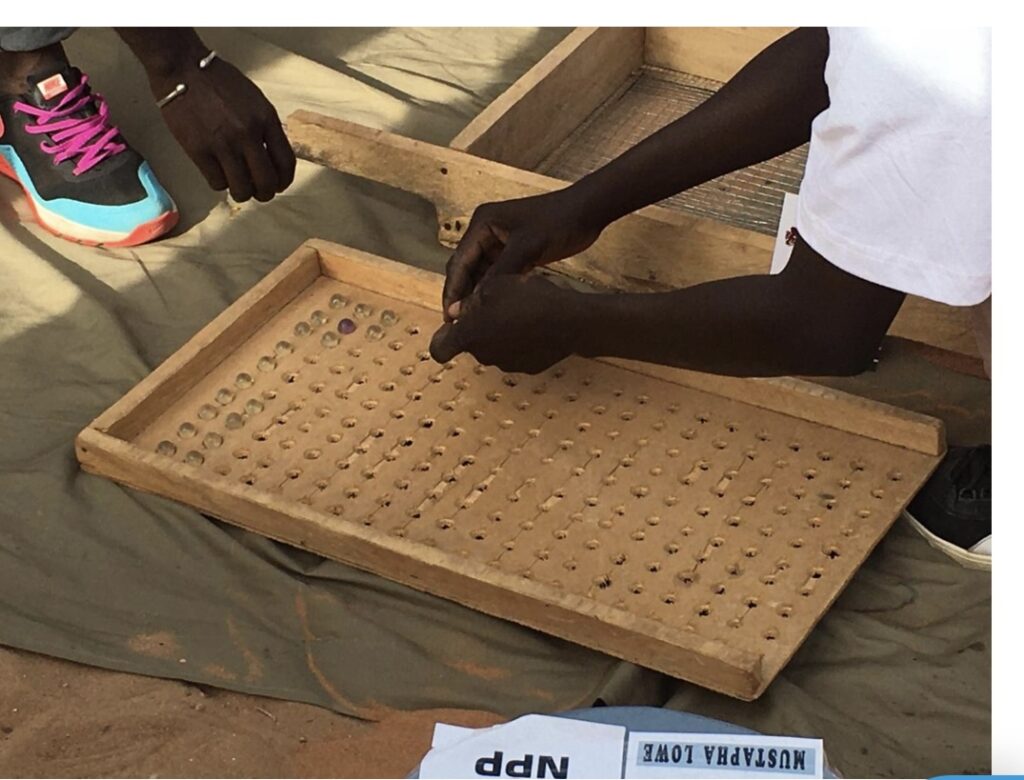
The drums themselves are standardised, closely supervised by election officials, and in many cases physically secured together, limiting opportunities for interference. The counting process is equally open: marbles are poured into specially designed counting trays that allow officials to tally votes quickly and accurately in full view of observers. This transparency has played a key role in building and sustaining public confidence in election outcomes over the years.
Why the Marble System Works
The Gambian voting system offers several practical advantages that have contributed to its enduring use. Its visual and tactile design makes it easy for voters to understand, even for those casting a ballot for the first time. The bell mechanism and carefully monitored drums provide strong safeguards against manipulation, ensuring that any attempt to interfere with the vote is immediately noticeable.
Counting the marbles is both fast and accurate, reducing the risk of human error that can occur with paper ballots. The system is also cost-effective: marbles and drums are produced locally, reusable, and far cheaper than printing and securing paper ballots. In addition, it is environmentally sustainable, generating minimal waste compared with conventional paper-based voting methods.
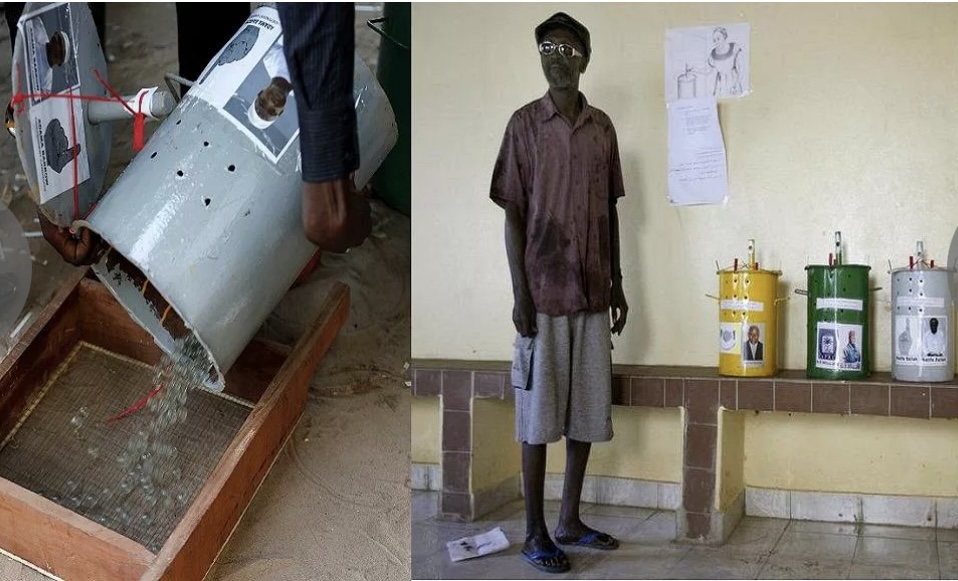
These features make elections affordable, transparent, and manageable, particularly for a country with limited resources.
More Than a Voting Method
Over the years, the marble voting system has grown beyond a practical tool to become a defining feature of The Gambia’s political identity. Made locally and familiar to generations of voters, it is closely tied to the country’s democratic history and processes.
For many Gambians, the system represents more than a method of casting a vote it embodies a sense of ownership and trust in the electoral process, reinforcing citizens’ connection to their democracy.
Modern Pressures, Enduring Confidence
As elections grow in size, with more candidates and polling stations, some critics argue that the marble system faces logistical challenges. Calls have been made to switch to paper ballots, often citing international standards and questions of scalability.
Yet many Gambians approach such proposals with caution. They emphasise that any alternative must offer the same level of accessibility, transparency, and public trust that the marble system provides. Until a solution can meet these standards, efforts to replace it are likely to be met with scepticism.
A System Built for Its People
Gambians continue to rely on the marble voting system because it is tailored to their context. It is simple to use, transparent, locally produced, and widely trusted. Crucially, it has delivered credible and verifiable election outcomes, including the historic 2016 vote that ended over two decades of authoritarian rule.

Until an alternative can match the same clarity, reliability, and inclusiveness, the familiar sound of marbles dropping into drums will remain a defining symbol of participatory democracy in The Gambia.
