
Explainer: The Gambia’s High-Profile FGM Case and Infant Death
What Happened?
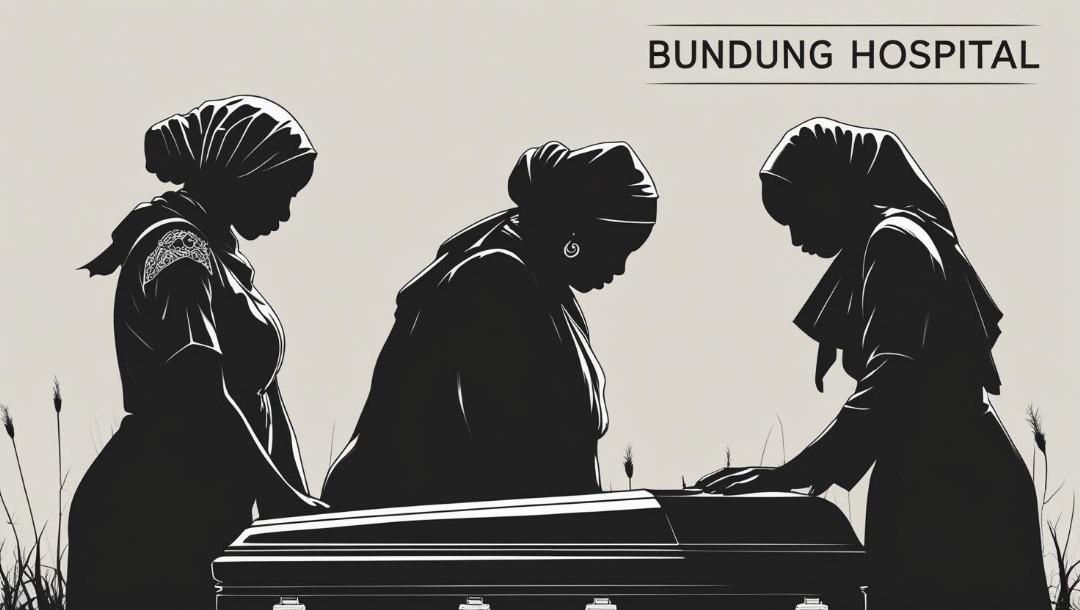
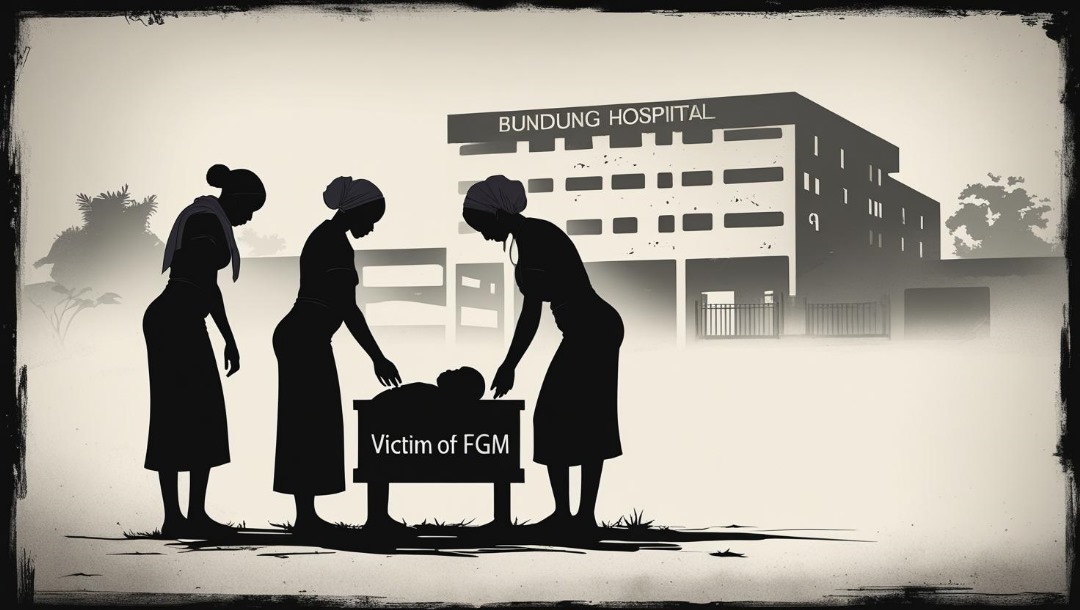
On August 10, 2025, the parents of a one-month-old infant rushed her to Bundung Maternal and Child Health Hospital after she suffered severe complications. Medical staff pronounced the baby dead upon arrival. Authorities later confirmed that the infant had undergone female genital mutilation (FGM), prompting a police investigation.
Arrests and Charges
The Gambia Police Force initially detained two suspects before charging three women under the Women’s (Amendment) Act, 2015, which criminalizes FGM. The accused include: Fatou Camara, the alleged cutter (Ngansingba), charged under Section 32A (Prohibition of Female Circumcision), which carries a possible life sentence. She has been remanded in custody.
The mother of the deceased and a paternal aunt, also facing charges as accomplices but granted bail. The infant’s body was transferred to Edward Francis Small Teaching Hospital (EFSTH) for further examination.
FGM in The Gambia: Legal Battles and Cultural Resistance
FGM was banned in 2015, but enforcement remains weak. In August 2023, three women in Bakadaji were fined GMD 15,000 (USD 200) for performing FGM on girls aged 4 to 12 months – the first conviction under the law. A prominent imam later paid their fines and publicly denounced the ban, calling for its repeal.
In January 2024, an MP introduced a bill to reverse the ban, but it was rejected by the National Assembly. Pro-FGM advocates then filed a case at the Supreme Court, arguing the ban violates religious and cultural rights under Section 19 of the 1997 Constitution. The court heard arguments in April 2025 but has yet to issue a ruling.
Why Are Babies Now Being Targeted?
Activists warn that parents are increasingly subjecting newborns to FGM to evade detection. Fatou Baldeh, a human rights advocate, explains: “Parents believe cutting infants ensures faster healing and avoids scrutiny. The law has driven the practice underground, making it even more dangerous. But also, because of the law, they feel that if they perform it at such a young age, it’s much easier to disguise, so that people don’t know,” she added.
Despite the ban, 73-76% of Gambian women aged 15-49 have undergone FGM (UNICEF). A 96-year-old cutter, Mrs. Fatty, admitted in a New York Times interview that she still practices FGM and has trained her daughter to continue the tradition.
Public and Political Reactions
Abdoulie Ceesay (National Assembly Member) condemned the infant’s death, stating: “Culture must never justify violence, and faith must never permit harm. If FGM caused this death, justice must be served.”
The Children’s National Assembly, NGOs and many civil society organizations have demanded accountability. Online debates are polarized, with some arguing FGM is a religious right, while others call it a human rights violation.
Government and International Stance
The Gambia remains committed to eliminating FGM by 2030, aligning with CEDAW, the Maputo Protocol, and the Convention on the Rights of the Child. However, activists urge stronger enforcement, education, and community engagement to end the practice.
What’s Next?
The trial of the three accused women will proceed under strict scrutiny. The Supreme Court’s pending ruling could either uphold or overturn the FGM ban. Rights groups are pushing for policy reforms and awareness campaigns to prevent further tragedies.
This case has reignited national debate on FGM, child rights, and cultural preservation, highlighting the urgent need for legal action and societal change.
