
EXPLAINER: The Gambia Supreme Court Ruling on the FGM Ban: What’s at Stake
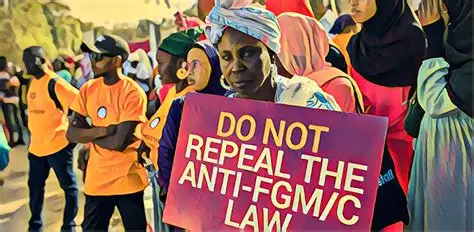
On July 6, The Gambia’s Supreme Court will decide whether the 2015 ban on female genital mutilation remains in force or is struck down, in a ruling that could reshape one of the country’s most contested legal protections for girls and women in recent years.
The Supreme Court in Banjul is expected to deliver a landmark ruling on July 6, 2026, on a legal challenge to The Gambia’s 2015 law banning female genital mutilation (FGM). The case will determine whether the prohibition remains in force or is struck down, a decision that could reshape legal protections for women and girls in the country.
Beyond its legal implications, the case has reopened a long-standing national debate at the intersection of law, culture, religion, and child protection.
It has drawn in National Assembly Members, including Almamy Gibba and other lawmakers who supported the constitutional challenge after Parliament reaffirmed the ban, alongside women’s rights activists, and affected communities.
At its core, the ruling will test how The Gambia balances constitutional interpretation with international human rights commitments and deeply rooted social practices. It is widely regarded as one of the most consequential decisions on women and girls’ rights in recent years.
This explainer breaks down what the law says, who is challenging it, what is at stake, and why the outcome matters beyond the courtroom.
What the Supreme Court must decide
The Supreme Court has been asked to decide whether The Gambia’s 2015 law criminalising female genital mutilation should remain in place or be struck down as unconstitutional.
At the centre of the dispute is a key constitutional question: does the law unlawfully interfere with rights to religion, culture, or personal liberty as argued by its challengers, or is it a lawful and necessary measure to protect children’s rights, health, and bodily integrity?
The court’s interpretation will be decisive. Its ruling could confirm the continued enforcement of the ban, lead to changes in how the law is applied, or invalidate it altogether, effectively reshaping the country’s legal position on FGM.
What the FGM law actually says
The Women’s (Amendment) Act, 2015 is the law that made female genital mutilation illegal in The Gambia.
It does not only target those who directly perform the procedure. The law also extends criminal liability to anyone who assists, facilitates, or encourages it in any form. This means responsibility can apply across the chain of involvement, not just to the person carrying out the act.
Those found guilty under the law can face penalties including fines and prison sentences, depending on the circumstances of the offence.
The legislation was introduced as part of broader efforts to strengthen legal protections for girls and to align The Gambia’s domestic laws with international and regional human rights commitments on the protection of women and children.
Why the FGM ban is back in court
The current Supreme Court case stems from renewed political and legal contestation over the Women’s (Amendment) Act, 2015, which criminalises FGM in The Gambia.
In recent years, a group of National Assembly Members (NAMs), including Almameh Gibba and others, backed efforts to repeal or amend the law. Their arguments focused on concerns around cultural and religious freedoms, and questions over whether criminalisation has effectively reduced the practice or instead driven it underground.
That push to overturn the ban was debated in Parliament and ultimately defeated in 2024, after intense national discussions and strong resistance from women’s rights groups, survivors, health advocates, and sections of the public who argued that the law remains a critical safeguard.
Following that legislative defeat, the issue shifted from the political arena to the judiciary. The challengers then pursued a constitutional interpretation of the law, leading to the current Supreme Court case that will now determine its future.
Is FGM still happening despite the law?
Although FGM has been illegal in The Gambia since 2015, evidence from reported cases, investigations, and community accounts suggests the practice has not been fully eradicated. Instead, it is believed to continue in some areas, often in secrecy due to fear of prosecution and social pressure.
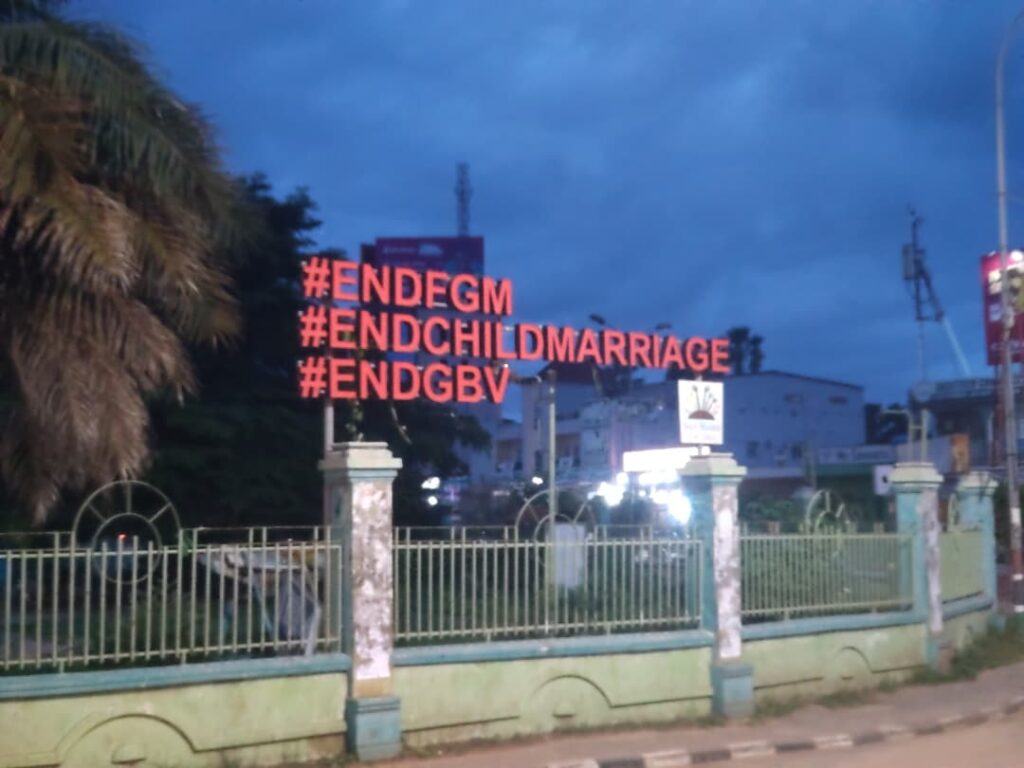
One of the most cited recent cases is the death of a three-month-old baby, reported in connection with an FGM procedure. The incident renewed national attention on the persistence and risks of the practice, despite its criminalisation. After Baby Sarjo’s death: all eyes on Supreme Court over FGM ban
More recently, in May, a court acquitted three women who had been charged in a separate FGM-related case. The ruling sparked further public discussion about the challenges of securing convictions, even where cases are reported. Why the court acquitted women in the fatal FGM trial
Taken together, these developments highlight a broader concern: the gap between the existence of the law and its enforcement on the ground.
Key challenges often cited include continued practice in some communities, the difficulty of detection and prosecution due to underreporting, and strong social pressures that discourage victims or families from reporting incidents.
For advocacy groups and health experts, this gap remains one of the central tensions nearly a decade after the ban was introduced, underscoring why the upcoming Supreme Court ruling is being closely watched beyond legal circles.
Why some want the ban upheld
Supporters of the law argue that the 2015 ban remains a necessary legal protection for girls and women, particularly in preventing harm linked to the practice of FGM.
Their position is grounded in several concerns. First, they point to well-documented health risks, including severe pain, infections, complications during childbirth, and long-term physical and psychological consequences. Second, they stress that FGM is often carried out on children who are unable to give informed consent, making the practice a child protection issue as much as a health one.
They also argue that the law is a safeguard for girls’ bodily integrity and autonomy, reinforcing the idea that harmful traditional practices should not override individual rights.
In addition, supporters highlight The Gambia’s international and regional human rights obligations, which commit the country to protecting women and girls from harmful practices.
For many activists and survivors, the ban has also played a broader social role beyond the courtroom. They say it has helped shift public conversations, increased awareness of the risks, and contributed to a gradual decline in reported prevalence in some communities, making it, in their view, a critical protection that should remain in force.
Why others are pushing to overturn the law
Those who support reviewing or overturning the ban argue that the 2015 law has produced unintended social and practical consequences, even if they do not all agree on what the alternatives should be.
At the centre of their argument are concerns about cultural identity and the preservation of long-standing traditional practices, which some communities view as deeply embedded in social norms. Others also cite religious interpretations, arguing that the practice is supported or at least not explicitly prohibited in certain readings of faith.
Another key concern raised is that criminalisation may not have eliminated the practice but instead pushed it underground. In this view, families and practitioners may avoid reporting or seeking medical help due to fear of prosecution, making the practice harder to monitor and potentially more dangerous.
Some advocates of review also call for approaches that rely less on criminal penalties and more on community engagement, education, and dialogue-led change, arguing that sustainable abandonment must come from within communities rather than through legal enforcement alone.
This position remains highly contested, particularly by health professionals and women’s rights groups, who argue that any weakening of the law risks reversing gains in protection for girls and women.
How the debate is unfolding in communities
Across The Gambia, the conversation around FGM remains deeply divided and sensitive, with attitudes varying significantly between and within communities.
In some areas, sustained public health messaging, education campaigns, and advocacy efforts have contributed to gradual shifts in perception. These efforts have helped increase awareness of the health risks associated with FGM, and in some cases, younger people are beginning to question long-held practices and traditions more openly than previous generations.
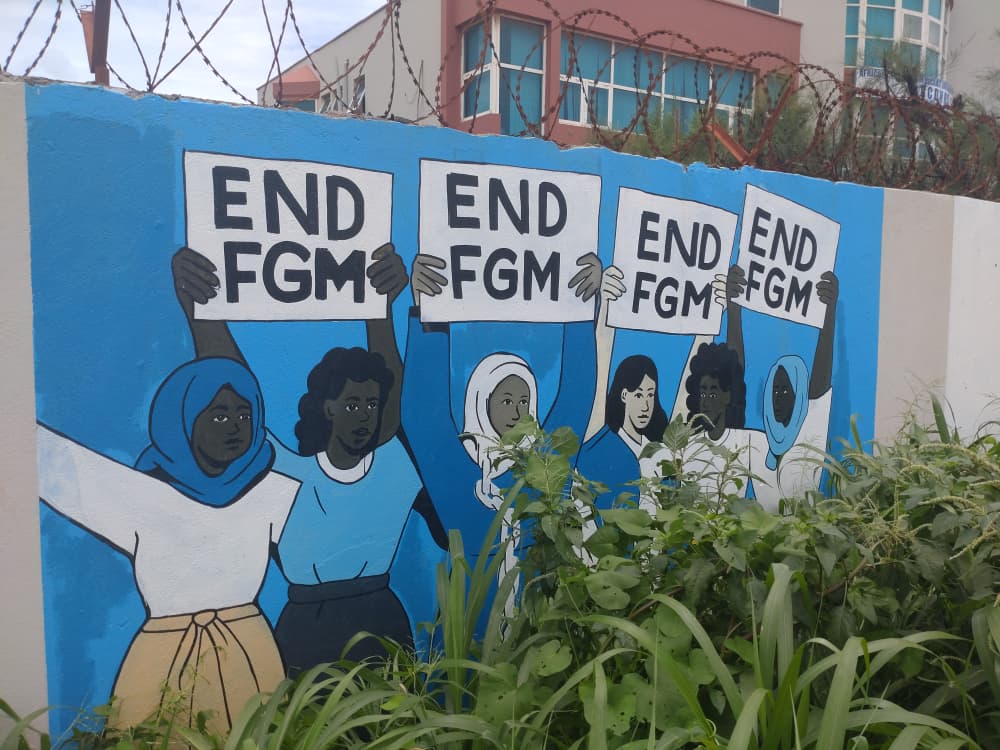
However, in other communities, social and cultural expectations remain strong. In these settings, FGM is still closely tied to notions of identity, belonging, and social acceptance, making open discussion difficult. Silence around the subject is also common, particularly where fear of stigma or legal consequences discourages families from speaking publicly.
In recent years, survivors of FGM have played a growing role in shaping the national conversation. By sharing personal testimonies and speaking out in public forums, they have helped break long-standing taboos and brought lived experience into policy debates, contributing to a gradual but visible shift in how the issue is discussed nationally.
Why the ruling matters beyond The Gambia
The Supreme Court’s decision is expected to carry significance beyond national borders.
FGM remains a wider public health and human rights issue across parts of Africa and other regions, where countries continue to adopt different legal and policy approaches to prevention and enforcement. Because of this, legal developments in one country are often closely monitored elsewhere.
Governments in the region, women’s rights organisations, international health agencies, and advocacy groups working on gender-based violence are among those watching the case closely. For many of these actors, the ruling is not only about The Gambia’s domestic law, but also about how courts interpret the balance between cultural practices, constitutional rights, and international human rights standards.
In that sense, the decision is being viewed as part of a broader global conversation on how states navigate the tension between tradition and the protection of women and girls from harmful practices.
What happens after the ruling?
The Supreme Court’s decision on July 6, 2026 will determine the legal future of The Gambia’s 2015 ban on FGM, bringing years of political and legal debate to a decisive point.
Depending on how the court interprets the constitutional challenge, there are a few possible outcomes. It could uphold the law in its current form, meaning the ban remains fully in force as it stands. It could also strike down the legislation entirely, which would remove the criminalisation of FGM unless new laws are introduced. A third possibility is a more nuanced ruling that does not fully overturn the law but instead changes how certain provisions are interpreted or applied in practice.
Until the court delivers its judgment, uncertainty continues to shape discussions among families, policymakers, and community leaders, particularly in a context where the issue is already highly sensitive and socially contested.
A moment of national attention
In the weeks leading up to the ruling, public engagement around the case has intensified, with advocacy groups, civil society organisations, and online campaigns drawing renewed attention to the future of the FGM ban.
Some activists continue to mobilise support for maintaining the law, framing it as a critical safeguard for the protection of girls. These efforts include online petitions and awareness campaigns aimed at keeping public attention focused on the risks associated with weakening or overturning the ban.
At the same time, other voices are re-energising calls for a review of the legal framework, arguing for a different approach to addressing the issue.
As part of the ongoing public mobilisation, an online petition has been circulated calling for support of the current ban: Sign the petition to protect the FGM ban
Conclusion
As The Gambia awaits the Supreme Court’s decision, the case has come to represent more than a legal dispute over a single law. It reflects broader national tensions between constitutional law, cultural practice, religious interpretation, and the protection of children’s rights.
The ruling is expected to carry implications that go beyond the courtroom. Whatever the outcome, it will likely influence not only the country’s legal framework but also the direction of public conversation on girls’ rights, bodily autonomy, and harmful traditional practices in the years ahead.
