
Explainer: How The Gambia’s Reparations Commission is Compensating Jammeh-Era Victims
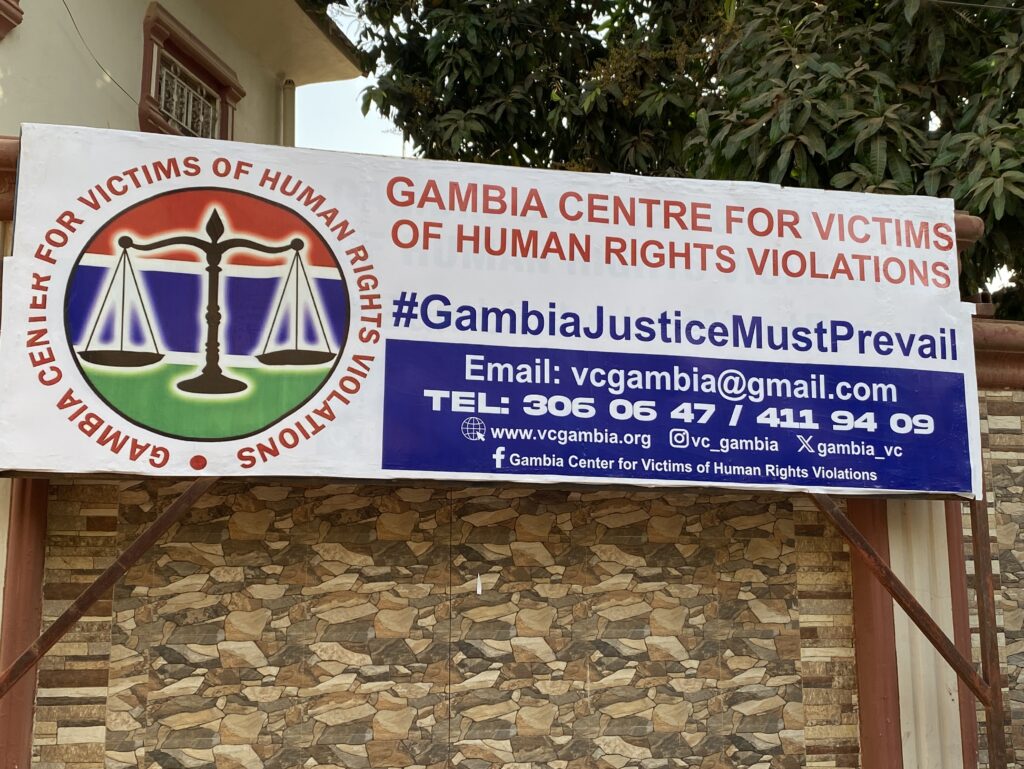
More than 706 victims have received partial payments, representing 19 percent of their entitlements. The Reparations Commission will disburse the remaining balance, including payments to the 54 West African migrants.
The Gambia Reparations Commission has begun paying reparations to victims of human rights violations that occurred under former President Yahya Jammeh’s rule from 1994 to 2017. The programme is part of a broader effort to address decades of abuses, including extrajudicial killings, torture, sexual violence, and arbitrary detention.
This explainer breaks down who qualifies for reparations, what forms of support are available, and how the programme is funded.
After Jammeh went into exile in 2017, the Truth, Reconciliation and Reparations Commission (TRRC) was established to investigate past abuses. Over two years, the TRRC documented violations, heard testimony from victims and perpetrators, and issued recommendations for criminal prosecutions, institutional reforms, and reparations.
To implement these recommendations, the government created the Reparations Commission, tasked with compensating victims and restoring their dignity as part of The Gambia’s broader transitional justice process. The TRRC identified 1,009 victims, and registration of new cases continues. Payments are being disbursed in phases, starting with those who suffered the earliest violations, with the government allocating 40 million dalasi to fund the programme.
Who Qualifies for Reparations?
The Reparations Commission defines a victim broadly, recognising that Jammeh-era abuses affected people and communities in many ways:
- Individuals formally recognized by the TRRC as victims of human rights violations.
- People who suffered physically, mentally, or emotionally, or who experienced financial loss as a result of these violations.
- Relatives or dependents of victims, when the Commission determines they are entitled to support.
- Communities or institutions that faced financial harm or were denied rights, including access to public services or state funding.
- Individuals harmed while helping others who were targeted or abused.
In cases where a victim has died or disappeared, their next of kin or immediate beneficiaries may receive compensation, provided the claim is properly documented and verified. This approach ensures that reparations reach not only survivors, but also those indirectly affected by decades of repression.
Types of Reparations
The Reparations Commission recognises that justice is not only about money. Its approach is multi-dimensional, aimed at addressing harm and helping victims rebuild their lives:
- Restitution – Measures to restore individuals or groups as closely as possible to the situation they were in before the violations occurred.
- Compensation – Financial payments for losses that can be measured economically, including physical or psychological injuries, loss of income, or collective punishments suffered by communities.
- Rehabilitation – Support to help victims recover and reintegrate, including access to education, medical care, psychological counselling, legal assistance, and social services.
This framework ensures reparations go beyond cash, addressing both the material and emotional impacts of decades of abuse.
How Compensation is Determined
The Reparations Commission determines monetary awards using a points-based system, established under Section 45 of the Victims Reparations Act. Each victim is scored from 1 to 10 points, depending on the severity of the harm they suffered:
- 10 points – Victims who were killed or remain missing.
- 9 points – Survivors of sexual and gender-based violence or torture.
- 4–6 points – Victims of unlawful detention.
1–3 points – Victims of other human rights violations as defined by the Act.
These points are then converted into monetary values in Gambian dalasi (GMD), creating a structured and transparent system to ensure compensation reflects the gravity of each victim’s experience.
Why Reparations Matter
While financial compensation cannot erase decades of trauma and loss, reparations serve both a symbolic and practical role. They formally acknowledge the state’s responsibility for the abuses committed, affirm the dignity of victims, and provide resources that can help survivors rebuild their lives through education, medical care, or psychological support.
The Reparations Commission situates these payments within the broader TRRC and transitional justice process, positioning them as a bridge between truth and accountability.
For many survivors and families, receiving reparations is a meaningful step toward justice—it recognises their suffering and validates their experiences—even though it cannot fully replace what was lost. These payments also signal that the state recognises its past wrongs, while broader issues of criminal accountability and closure remain unresolved.
Conclusion:
The Reparations Commission continues its work, registering victims and disbursing payments despite the financial, logistical, and legal challenges of addressing decades of systemic abuse. Yet, the true measure of success goes beyond numbers or payouts.
The path to justice is ongoing, and the nation’s commitment to remembering and repairing the past will define whether healing can truly take root.
