
Explainer: What Will The Gambia’s SGBV Special Court Do?
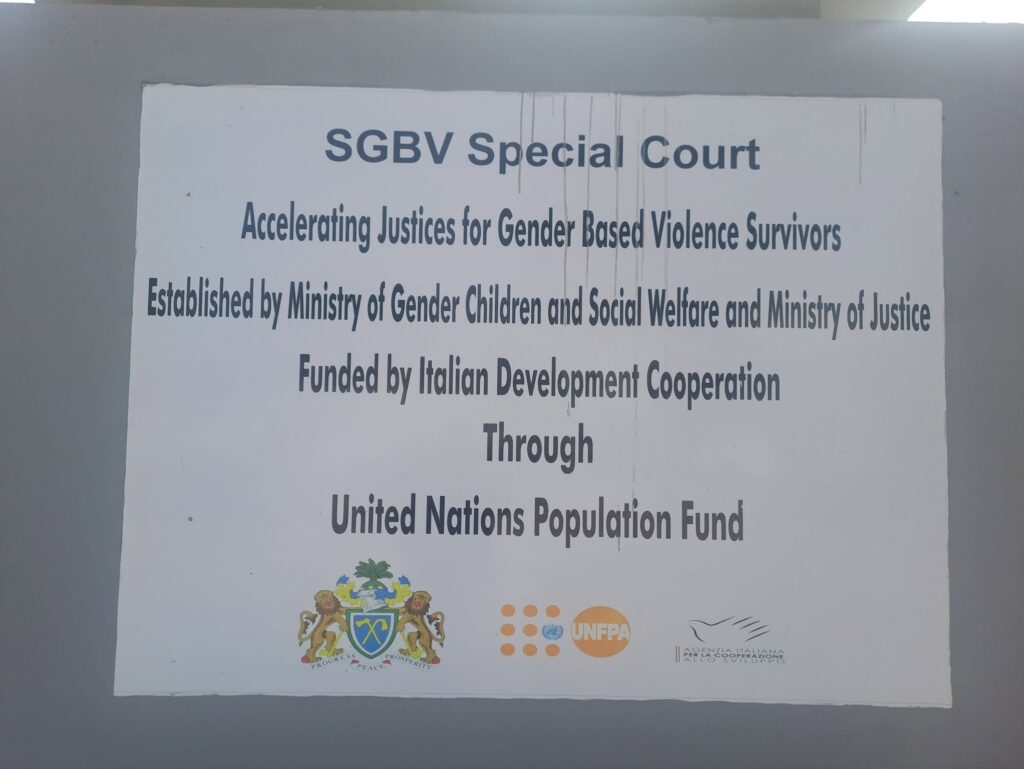
The court is expected to speed up sexual and gender-based violence cases, reduce delays and introduce measures to help survivors testify with greater privacy and protection. But its effectiveness will depend on how it operates in practice.
The Gambia is preparing to open a specialised court dedicated to handling sexual and gender-based violence (SGBV) cases, in a move aimed at addressing delays in the justice system and improving survivors’ access to justice.
According to the Ministry of Gender, Children and Social Welfare, the facility has been completed and is awaiting official inauguration.
What is the SGBV Special Court expected to do? Why is it being established, and what questions remain about its operations and ability to deliver timely justice for survivors?
Why is the court being established?
The court is being established against the backdrop of concerns about delays in the handling of sexual and gender-based violence cases. Long court proceedings can place additional emotional, financial and social pressure on survivors. Some may lose confidence in the justice process or withdraw their cases before they are concluded.
In March 2026, Gender Minister Fatou Kinteh said the specialised court was intended to fast-track cases, reduce backlogs, improve confidentiality and prevent unnecessary delays and re-traumatisation.
A report by The Alkamba Times on October 13 cited a review identifying more than 5,000 pending SGBV cases, underscoring the scale of the backlog. The figure should be confirmed with the Judiciary, including the period covered and the types of cases counted.
What will the court do?
Give SGBV cases specialised attention. Rather than leaving these cases to compete for attention within a broader caseload, the specialised court is intended to focus on gender-based violence matters and handle them more efficiently.
Help reduce delays. By prioritising SGBV cases and organising proceedings around their specific needs, the court is expected to help survivors obtain timely decisions. However, establishing a specialised court alone will not guarantee faster trials; adequate staffing, prosecutors, judges, case management and other resources will also matter.
Improve protection during testimony. The October 13 report said the court plans to introduce protective measures, including allowing survivors to testify from behind a shield so they do not have to face the alleged perpetrator directly. Such measures may reduce intimidation and distress during proceedings. The court’s final procedures should clarify when and how these protections will be used.
Improve confidentiality and dignity. Officials have said the court is intended to provide more confidential, survivor-centred procedures. This is important in cases where exposure of a survivor’s identity or intimate details may lead to stigma, retaliation or further harm.
These measures are intended to make the justice process more accessible and less traumatic for survivors. They do not remove the need for fair trials, reliable evidence or the protection of the rights of accused persons.
Which cases will it handle?
The court is described by authorities as a specialised court for gender-based violence, with public statements also referring to sexual violence and rape cases. The precise scope of its jurisdiction, the offences it will hear and the procedures it will follow should be confirmed through the applicable legal instruments and official court guidance.
The existing Children’s Court is expected to continue handling children’s cases, including matters involving gender-based violence against children, according to The Point’s September 16 report. The new specialised court is intended to operate alongside it, rather than replace it.
The Judiciary and Ministry of Justice should clarify how cases involving children will be allocated between the two courts and how conflicting or overlapping jurisdictions will be addressed.
Will the new court investigate cases or provide support to survivors?
The court’s central role will be to hear and determine cases within its jurisdiction. It should not be confused with the police, who investigate allegations, or prosecutors, who bring cases before the courts.
The Ministry of Justice already has a Sexual and Gender-Based Violence Unit within its Criminal Prosecutions Department. Established in November 2018, the unit’s stated purpose is to ensure that SGBV prosecutions receive priority.
Other forms of support are also important. The Ministry of Gender has reported measures including a fund for survivors, temporary shelter and psychosocial support. These services are separate from the court itself and are intended to address needs that a court ruling cannot meet on its own.
Does the court mean perpetrators will automatically be convicted?
No. The establishment of a specialised court does not mean that every accused person will be convicted or that every case will be resolved quickly. Cases must still be assessed on the evidence and decided according to the law. Accused persons retain the right to a fair hearing, and convictions must follow the applicable legal standard.
The court’s success should therefore be assessed not simply by how many cases it hears, but by whether it reduces delays, protects survivors’ dignity, ensures fair proceedings and delivers reasoned judicial decisions.
What challenges remain?
Several questions will determine whether the new court delivers on its promise:
- The backlog: How many cases are pending, and how will they be prioritised and transferred to the specialised court?
- Staffing and resources: How many judges, prosecutors, court staff and support personnel will be available?
- Survivor protection: What safeguards will be in place to protect identities, prevent intimidation and support survivors during and after proceedings?
- Legal framework: What rules will govern the court’s jurisdiction, evidence, procedure and relationship with existing courts? The Ministry of Gender’s website advertised a legal consultant to review and draft relevant legislation, including the Sexual Offences, Evidence and Criminal Procedure Acts.
- Access to justice: Will survivors outside the Greater Banjul Area be able to access the court without prohibitive travel costs, or will specialised services eventually be extended to other regions?
- Accountability: How will the Judiciary measure progress and report on case duration, outcomes and survivors’ experiences while maintaining confidentiality?
What happens next?
The immediate milestone is the court’s official opening and the publication or clarification of the procedures that will govern its work.
The specialised court offers an opportunity to address long-standing concerns about delays and the treatment of survivors in the justice system. But its impact will depend on whether the institution is adequately resourced, operates independently and fairly, and provides practical protections throughout the judicial process.
For survivors, the measure of success will ultimately be whether seeking justice becomes safer, more accessible and more timely, not simply whether a new courtroom has opened.
