
Who Is Martin Hackett? The Prosecutor Charged With Delivering Justice for Jammeh-Era Abuses
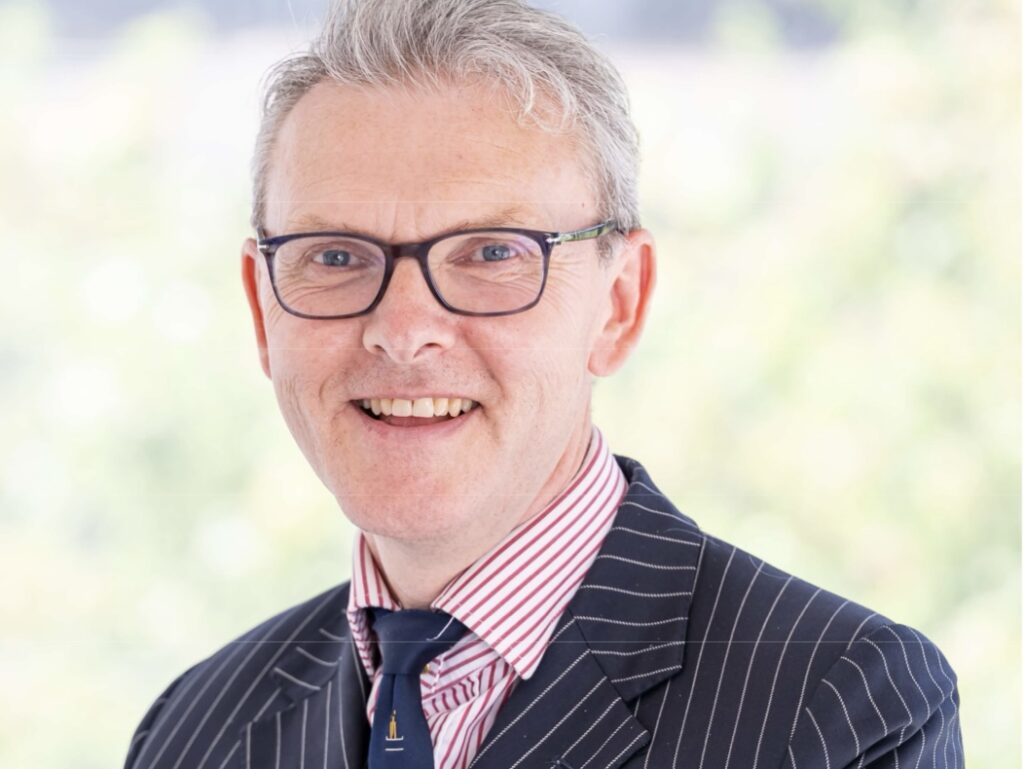
An in-depth look at the experience, mandate, and significance of The Gambia’s first Special Prosecutor
On 8 April 2026, Attorney General and Minister of Justice Dawda Jallow announced the appointment of British barrister Martin Hackett as The Gambia’s first Special Prosecutor. Hackett will lead investigations and prosecutions into alleged human rights violations and serious crimes committed between 1994 and January 2017, the period covering former President Yahya Jammeh’s 22-year rule.
His appointment marks a critical step in The Gambia’s post-dictatorship accountability process, following years of public hearings, documentation, and recommendations by the country’s truth commission.
This explainer outlines who Martin Hackett is, what his office will do, and why his role is central to The Gambia’s transitional justice agenda.
Who Is Martin Hackett?
Martin Hackett was called to the Bar in 1995 and is a seasoned criminal and international law barrister with nearly three decades of experience.
He specialises in the prosecution of terrorism, war crimes, genocide, and other complex transnational offences. He divides his professional work between domestic criminal prosecutions in the United Kingdom and international advisory roles focused on atrocity crimes and counterterrorism.
Domestic Criminal Experience (United Kingdom)
Hackett is a Category 4 prosecutor, the highest level on specialist prosecution panels including: Counter Terrorism, Rape and Serious Sexual Offences (RASSO).
He has led prosecutions involving:
- Terrorism offences, including dissemination of extremist materials and possession of explosive substances
- Cases described as “national firsts,” including concealed digital communications linked to 3D-printed firearms
- Multi-defendant cases involving trafficking, exploitation, and organised crime
- Pre-charge advisory work in potential genocide prosecutions
His courtroom experience includes leading prosecutions against senior defence counsel (“silks”) in complex and politically sensitive cases.
Hackett has held senior roles in several international justice mechanisms.
United Nations Special Tribunal for Lebanon (2015–2021)
He served as Senior Trial Counsel at the United Nations Special Tribunal for Lebanon in The Hague, leading prosecutions related to serious terrorist offences targeting prominent political figures in Lebanon.
His responsibilities included:
- Managing large investigative teams of lawyers, police officers, and analysts
- Handling complex telecommunications and covert surveillance evidence
- Developing witness protection strategies
- Reporting before UN management committees on prosecutorial strategy and departmental progress
Kosovo War Crimes Prosecution
Hackett was seconded by the UK’s Foreign, Commonwealth & Development Office (FCDO) to the European Union Rule of Law Mission in Kosovo (EULEX), where he served as Head of the War Crimes Unit at the Special Prosecution Office of Kosovo.
In that role, he:
- Prosecuted senior military commanders for war crimes
- Led a year-long, high-profile trial involving 19 defendants
- Oversaw more than 800 war crimes investigations
- Engaged diplomatically on sensitive matters, including the return of human remains from mass graves
Advisory Roles in Ukraine, Uganda, and Iraq
Hackett has also provided legal and strategic advice to international and national authorities, including:
- The Ukrainian Office of the Prosecutor General on war crimes, genocide, conflict-related sexual violence, and the crime of aggression
- The United Nations Office of Counter-Terrorism
- Prosecutorial authorities in Uganda on international crimes
- Justice reform initiatives in Iraq and the Kurdistan region, focusing on fair trial standards and human rights compliance
He is also a member of the Atrocity Crimes Advisory Group supporting accountability efforts linked to the conflict in Ukraine.
From Truth Commission to Prosecution
Between 2019 and 2021, The Gambia’s Truth, Reconciliation and Reparations Commission (TRRC) heard testimony from victims, witnesses, and alleged perpetrators of abuses committed during Jammeh’s rule.
The Commission documented:
- Unlawful killings
- Enforced disappearances
- Torture
- Sexual violence
- Arbitrary detention
- Other grave human rights violations
In its final report, the TRRC recommended the prosecution of those bearing the greatest responsibility for crimes, including Yahya Jammeh and senior members of his government and security forces.
While the government has begun implementing some TRRC recommendations, including reparations for victims and institutional reforms, prosecutions have remained pending.
The creation of the Special Prosecutor’s Office signals the beginning of the criminal accountability phase.
What Will the Special Prosecutor Do?
Mr. Hackett will lead an independent and autonomous Special Prosecutor’s Office, serving a four-year term to initiate and advance prosecutions for crimes committed during the Jammeh era.
Its core responsibilities include:
- Investigating serious human rights violations and international crimes, including unlawful killings, torture, enforced disappearances, and sexual violence.
- Reviewing evidence collected by the TRRC, including testimonies, documents, and findings from its 2019–2021 hearings.
- Conducting additional investigations where needed to meet criminal evidentiary standards.
- Deciding which cases should be prosecuted, based on available evidence and legal thresholds.
- Preparing and presenting cases in court, particularly before the Special Criminal Division of the High Court.
The Special Prosecutor’s Office forms the first phase of a broader Special Accountability Mechanism, which foresees domestic prosecutions being conducted before the Special Criminal Division of the High Court and, in time, cases of an internationalized nature being heard through the Special Tribunal for The Gambia, established in partnership with ECOWAS.
Hackett and his team will rely heavily on TRRC materials, including testimonies and documentary evidence, while conducting additional investigations where necessary to meet criminal evidentiary standards.
Why His Appointment Matters for The Gambia
The appointment of a Special Prosecutor represents a shift from truth-telling to criminal accountability. While the TRRC established an official record of abuses, prosecutions will determine individual criminal responsibility in court.
Hackett’s experience in terrorism and war crimes prosecutions suggests familiarity with:
- Command responsibility cases
- Large volumes of documentary and testimonial evidence
- Sensitive political contexts
- Witness protection and victim care considerations
For victims who testified before the TRRC, this phase carries significant expectations. The credibility, independence, and effectiveness of the Special Prosecutor’s Office will be central to public confidence in the accountability process.
The potential prosecution of Yahya Jammeh, currently in exile remains one of the most politically sensitive aspects of the TRRC’s recommendations. Whether, when, and how such cases proceed will shape The Gambia’s transitional justice legacy.
The Special Prosecutor’s Office is one component of a broader accountability framework. Its success will depend on:
- Adequate funding and institutional independence
- Cooperation with domestic and international partners
- Effective witness protection mechanisms
- Judicial preparedness within the Special Criminal Division
As Martin Hackett begins his four-year mandate, The Gambia enters a decisive chapter in its efforts to confront past abuses through the rule of law.
For many Gambians, the question is no longer whether accountability should happen but whether it can now be delivered.
