
Women Led the Fight. They Deserve Complete Justice
In essence, while the spirit of reform and the commitment to women’s rights remain, the path has proven more challenging than anticipated. The fight for true gender equality and comprehensive justice for past wrongs is an ongoing process that requires constant vigilance and renewed efforts.
From arduous dictatorship to promise of democracy, the yearning for justice and a brighter future resonated deeply across the nation. For Gambian women, this promise held a particularly profound significance. They had borne the brunt of unique and severe violations from July 1994 to Dec. 2016, a period synonymous with widespread human rights abuses.
Among the most egregious were systematic sexual and gender-based violence (SGBV), including rape, sexual assault, and sexualized torture. These crimes were perpetrated with chilling impunity, fostering a pervasive climate of fear. The systematic erosion of rights stemmed directly from the regime’s total consolidation of power and the institutionalisation of SGBV offenses within its apparatus.
Women also faced arbitrary detention and severe economic hardship. Their voices were stifled, their rights disregarded, and the very institutions meant to protect them were weaponised against them.
Despite the immense risks, women’s resilience and activism emerged as a powerful force against tyranny. They played crucial – often leading – roles in the grassroots movements that challenged the dictatorship.
The “Kalama Revolution” (Calabash) stands as a powerful testament to women’s resistance. Utilizing the traditional calabash, a symbol of sharing, women transformed it into a potent emblem, challenging then-President Yahya Jammeh’s abuse of power. This innovative, nonviolent protest method gave old symbols new meaning, as the women held their “kalamaas” in a defiant procession to visually articulate their condemnation of the political repression.
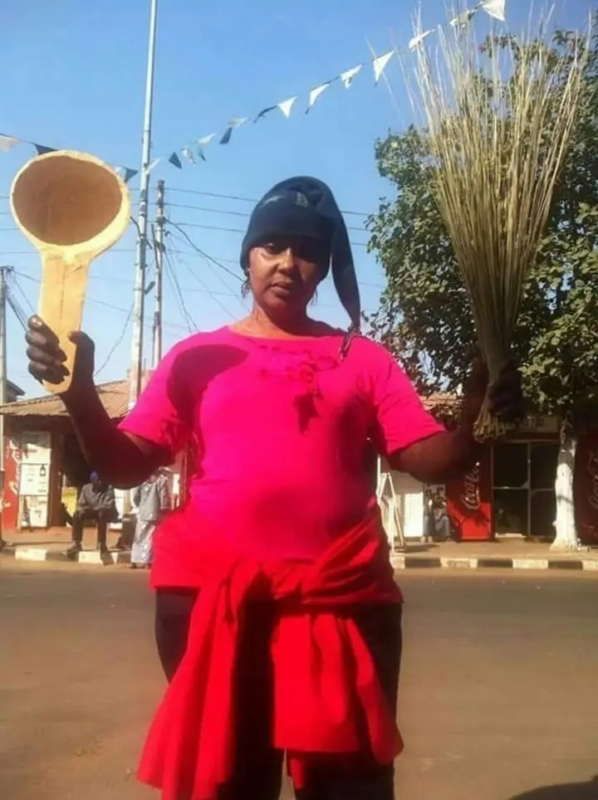
Beyond this symbolic defiance, women demonstrated immense resilience through sustained, nonviolent gatherings in Banjul following Solo Sandeng’s death and subsequent court cases. They led those movements, chanting freedom songs. With the advent of the ‘New Gambia,’ promises for transitional justice, human rights, and democratic reforms filled the air.
For women, these promises were specific and transformative: accountability for past abuses, comprehensive truth-telling through the TRRC, reparations for survivors, and fundamental reforms to protect their rights in a new constitution.
The Unfinished Path: Where We Are Now?
While some progress has been made, the journey is far from complete. The TRRC did bring critical truths to light, but the implementation of its recommendations, particularly regarding justice and accountability for perpetrators, has been painfully slow.
Despite The Gambia being a signatory to key women’s rights instruments, the realization of justice for women who have experienced SGBV remains elusive, fostering a persistent culture of impunity.
The promise of a new, rights-protective constitution, intended as a cornerstone for women’s rights, recently faced a significant setback with the failure of the 2024 Constitution Bill. This outcome, as emphasized in my extensive work on constitutional reform and women’s political participation, underscores the profound challenges.
While the earlier 2020 Draft Constitution had envisioned a progressive approach, proposing 14 affirmative seats for women directly elected by the populace to ensure a strong, independent mandate, the 2024 Draft reduces this to a mere seven seats. Crucially, it alters their mode of election to an indirect proportional representation system. This shift means that women’s seats are now allocated to political parties based on their general election votes, rather than through direct mandates. This shift risks diminishing the independent voice of women representatives, making them more beholden to party dictates than to the direct will of the electorate.
Towards Inclusive Justice: An Intersectional Approach
Moving forward, an intersectional approach is paramount. This framework prioritizes the perspectives of individuals facing multiple forms of oppression simultaneously, aiming to comprehend the profound nature of inequalities and their interconnections. The pursuit of accountability for women necessitates this approach, as it involves recognizing the complexities involved in enforcing laws and implementing decisions while addressing the critical gaps in understanding masculinity. This is crucial for truly dismantling the systemic issues that perpetuate gender-based violence.
The Gambia’s justice systems must be inclusive, responsive, and capable of addressing the diverse needs and experiences of all women, ensuring that no woman is left behind. This must manifest as a truly gender-inclusive and survivor-centered approach to justice.
In essence, while the spirit of reform and the commitment to women’s rights remain, the path has proven more challenging than anticipated. The fight for true gender equality and comprehensive justice for past wrongs is an ongoing process that requires constant vigilance and renewed efforts.
