
Prominent NPP Supporter Flagged for Inflammatory Statement
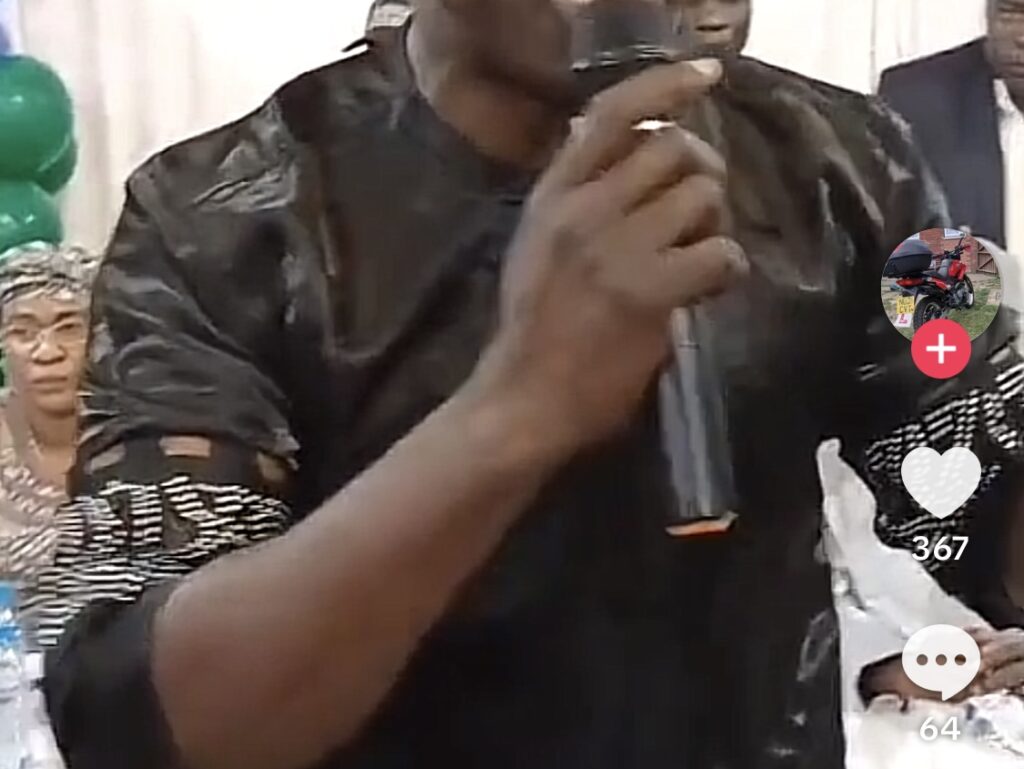
As The Gambia enters a crucial election season, a prominent NPP supporter has been flagged for alleging that the UDP is hostile to foreigners. Malagen found no official UDP policy or public statement cited by the speaker to support the claim, raising concerns about the use of unsubstantiated and potentially divisive rhetoric during the campaign period.
Baba Jah, a prominent supporter of the ruling National Peoples’ Party (NPP), has been flagged for making an inflammatory political statement during a political event in Brikama, West Coast Region.
Speaking at the NPP Mega Rally on 20 June 2026, Mr. Jah urged Gambians not to vote for the opposition United Democratic Party (UDP) and its leader, Ousainou Darboe.
In remarks aired on the state broadcaster, GRTS, between 2:08 and 2:14 of the rally broadcast, Mr. Jah stated in Mandinka, translated by Malagen Media Monitoring:
“Gambians, UDP do not like foreigners and if you allow UDP to take over the country, it will not be okay for many in this country.”
Context
Mr. Jah’s statement portrays the UDP as hostile toward foreigners without providing evidence to support the claim. The remark attributes a negative characteristic to an entire political party and implies that foreigners could face adverse consequences if the opposition were to assume power.
While political actors are free to criticize their opponents, allegations concerning a party’s attitudes toward particular groups should be supported by verifiable evidence. Statements that suggest a political party or its supporters are opposed to foreigners can contribute to fear, suspicion, and social division, particularly in a country where migrants and foreign nationals form part of communities across the country.
Malagen has not identified any official UDP policy or public statement cited by Mr. Jah to substantiate the claim.
Why This Matters
The statement comes at a sensitive political moment as The Gambia prepares for presidential elections scheduled for 5 December 2026.
Election periods are often characterised by heightened political tensions, increased public scrutiny, and intense competition for votes. During such periods, public figures and political supporters wield significant influence over public opinion. Unsubstantiated allegations against political opponents can deepen polarization and shift political debate away from policy issues and substantive discussions.
Claims that associate political parties with hostility toward particular groups may also contribute to prejudice and mistrust, especially when directed at communities perceived as outsiders or foreigners.
Media monitors and election observers frequently warn that inflammatory rhetoric, even when it does not directly call for violence, can create an environment that normalises hostility, discrimination, or exclusion.
Pattern of Similar Rhetoric
This is not the first time Mr. Jah has come under scrutiny for divisive political messaging.
In 2025, Malagen Media Monitoring flagged Mr. Jah for comments that were assessed as tribal rhetoric, raising concerns about language capable of deepening social and political divisions.
The recurrence of such statements highlights the need for political actors and their supporters to exercise caution when addressing public gatherings, particularly during election campaigns.
Conclusion
Political competition is a fundamental feature of democracy. However, political discourse should be grounded in facts and conducted in a manner that promotes peaceful coexistence and informed debate.
As The Gambia heads toward the December 2026 presidential election, political parties, candidates, and supporters should refrain from making unsubstantiated allegations about opponents or specific groups.
Responsible political communication can help foster issue-based campaigning and reduce the risk of unnecessary tensions during the electoral period.
