
Malagen Flags Rising Xenophobic Rhetoric

Malagen Media Monitoring flags remarks by UDP North Bank chairman Sainey Sabally warning against “foreigners” voting, highlighting the risk of xenophobic tensions and declining trust in the electoral process ahead of the 2026 elections.
On 9 October 2025, The Standard Newspaper reported remarks by Sainey Sabally, the United Democratic Party (UDP) North Bank regional chairman, warning against “foreigners” voting in The Gambia. Malagen Media Monitoring considers the statement troubling for its xenophobic undertone and its potential to incite division, undermine electoral trust, and discourage citizen participation ahead of the 2026 presidential elections.
As the country nears the polls, this type of rhetoric is resurfacing, echoing narratives that previously fueled post-2021 political tensions.
The Statement
“Foreigners who try to meddle in Gambian elections will put themselves in trouble. The stakes are too high this time round and any attempt by any foreigner to vote in Gambian elections would be resisted as it is illegal.
‘No Gambian should allow a foreigner to vote in our elections. That should be the duty of every citizen.”
Context
While framed as a call to protect electoral integrity, Sabally’s remarks carry a potentially xenophobic and inflammatory undertone. Phrases such as “put themselves in trouble” and “would be resisted” imply confrontation and could embolden supporters to act against individuals perceived as “foreigners.”
Sabally has provided no evidence of foreign interference, yet frames it as a persistent issue in The Gambia’s elections.
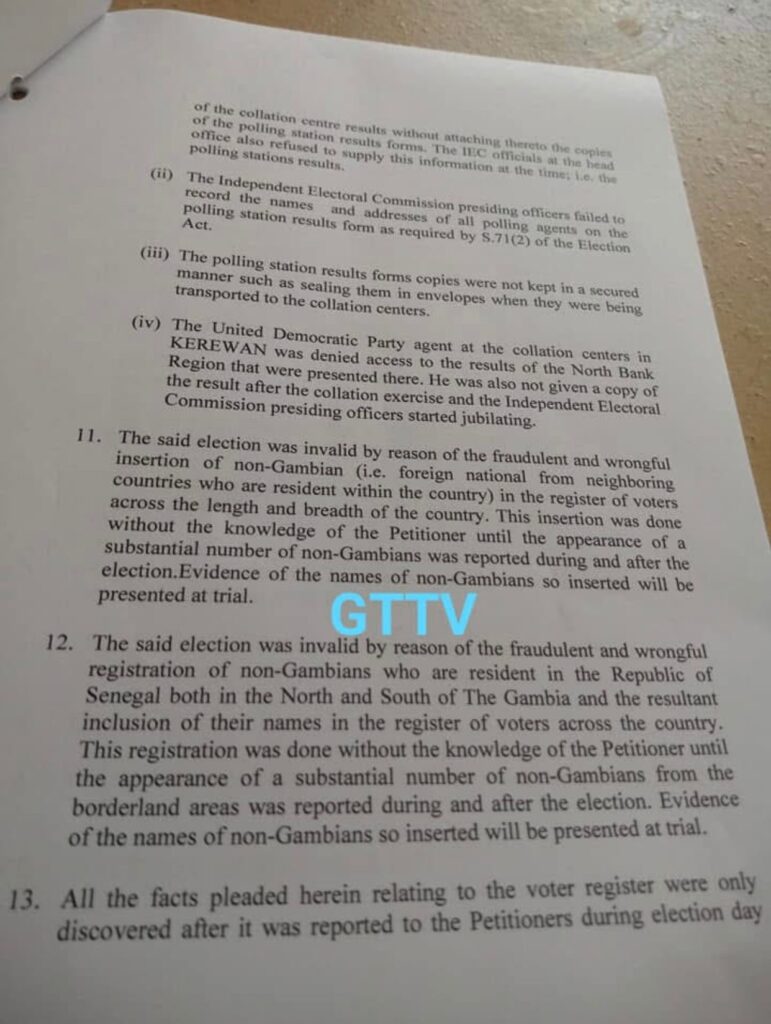
This rhetoric echoes narratives from the post-2021 elections, when the UDP challenged presidential results on allegations of irregularities and foreign interference. Although the Supreme Court dismissed the case on procedural grounds, the notion of “foreign interference” has persisted in public discourse, often resurfacing around voter registration and ID issuance.
By reviving this narrative ahead of the 2026 elections, Sabally’s statement risks eroding public trust in the Independent Electoral Commission (IEC) and undermining confidence in the electoral process. Citizens may perceive the system as compromised, discouraging participation and fostering voter apathy.
The statement also politicises traditional authorities, such as village heads and chiefs, who oversee voter attestation. In border regions with cross-border ethnic and family ties, such rhetoric could pressure these leaders to act out of fear or bias rather than impartiality.
In essence, these remarks represent political rhetoric that risks inciting hostility or discrimination toward perceived foreigners or border communities, with potentially wide-reaching consequences for social cohesion and democratic participation.
Potential Impact
Sabally’s remarks carry the potential to deepen social and political divisions ahead of the 2026 elections:
- Incitement Risk: Framing “foreigners” as threats may fuel xenophobic or nationalist hostility, leading to harassment of non-Gambians, particularly in border areas.
- Erosion of Trust: Such claims undermine public confidence in the IEC and weaken trust in electoral institutions.
- Voter Apathy: Persistent claims of “infiltration” or manipulation may discourage citizens from voting, fostering the belief that the electoral system is compromised and that their participation is futile.
Polarisation: This rhetoric risks hardening political and ethnic divides, heightening tension during voter registration and election periods.
Conclusion
Protecting electoral integrity and maintaining public trust requires that political actors and institutions exercise caution and responsibility in their public messaging. Concerns about irregularities or illegal voting should be addressed through formal legal and institutional channels, rather than through public space that risk inflaming tensions.
Equally, it is important to avoid language that singles out or endangers specific groups, particularly in sensitive border areas where communities often have cross-border family and ethnic ties.
Public statements should focus on promoting confidence in the electoral process, reassuring citizens that their votes matter and that the system is fair, rather than spreading doubt or fostering fear.
As the 2026 presidential elections approach, Malagen Media Monitoring will continue tracking and reporting rhetoric that undermines peace and public trust in our country’s democratic process.
