
Dangerous Speech Alert: UDP Supporter Calls for Election Violence
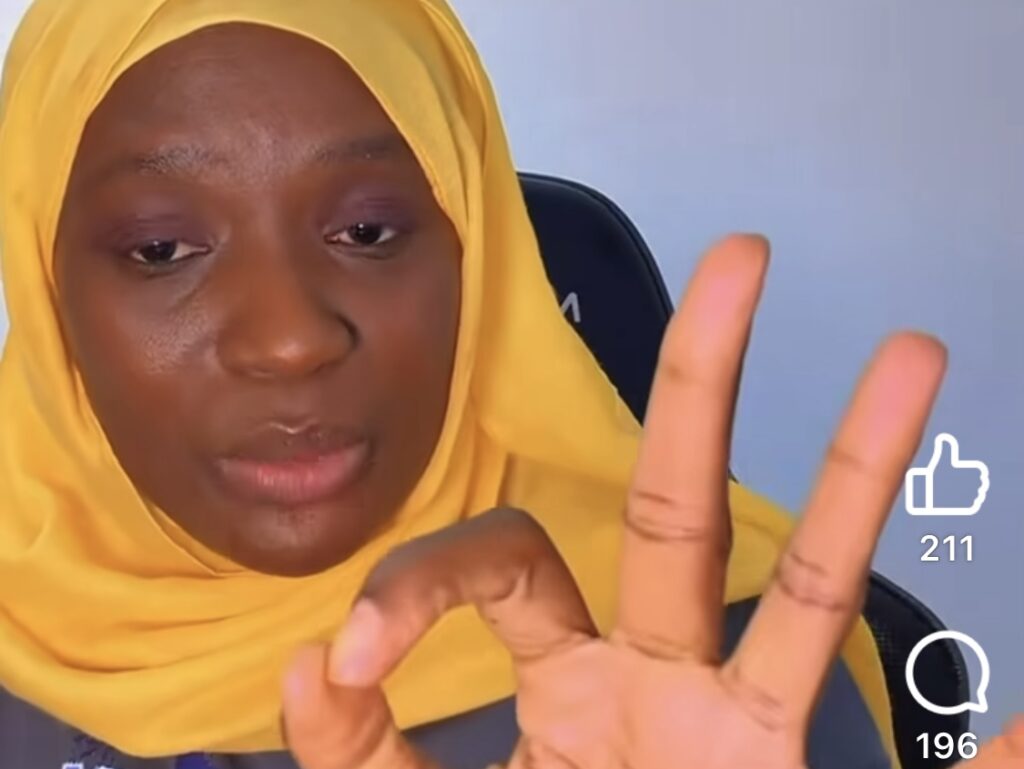
The National Human Rights Commission has identified political actors and their supporters as the leading source of hate speech in The Gambia. As the country prepares for the 2026 presidential election, Malagen analyses a viral video that echoes those concerns.
Exactly six months before Gambians head to the presidential election, a viral video containing calls to burn the Independent Electoral Commission (IEC), reject election results and resort to violence has heightened concerns over inflammatory political rhetoric ahead of the polls.
The video features a United Democratic Party (UDP) supporter making inflammatory statements advocating violence and rejecting the legitimacy of the 2026 presidential election should the outcome not favors her party.
In the approximately one-and-a-half-minute video, which has attracted more than 200 reactions and has been widely shared on social media, the woman threatens that the IEC should be burned if it declares either incumbent President Adama Barrow or UNITE party leader Talib Ahmed Bensouda the winner of the election.
She also calls for violence and war should the ruling National People’s Party (NPP) retain power and advocates for the UDP to be forcefully installed at State House rather than through the electoral process. The remarks constitute explicit calls for violence and seek to undermine confidence in the country’s electoral management body.
Context
The video’s circulation comes at a critical point in The Gambia’s electoral calendar, with the country just six months away from the 2026 presidential election, when political tensions and online discourse are expected to intensify.
It also reflects concerns repeatedly raised by the National Human Rights Commission (NHRC) over the increasing prevalence of hate speech and incitement in political discourse. In its National Study on Hate Speech in The Gambia, the NHRC found that political figureheads and their supporters accounted for 86 percent of identified perpetrators of hate speech, making them the country’s largest source of inflammatory rhetoric.
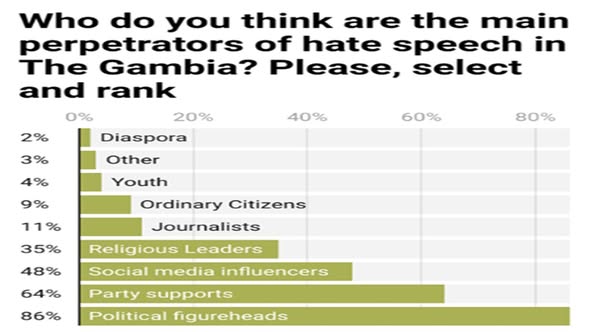
The Commission warned that such speech poses a serious threat to peaceful elections, social cohesion and democratic governance, and has consistently urged political parties, candidates and their supporters to refrain from inflammatory language and resolve political differences through lawful and peaceful means.
Why this matter
Malagen flagged this content because it contains direct calls for violence, including the destruction of a public institution and the rejection of electoral outcomes through force.
Such rhetoric has the potential to:
- Incite violence against individuals or public institutions.
- Undermine public confidence in the Independent Electoral Commission and the electoral process.
- Encourage supporters to reject legitimate election results.
- Heighten the risk of political unrest during a sensitive pre-election period.
As election campaigns gather momentum, inflammatory content shared online can spread rapidly, amplify political tensions and increase the risk of offline harm.
Conclusion
With six months remaining before Gambians vote, political actors and their supporters have a heightened responsibility to promote peaceful democratic participation, respect electoral institutions and avoid rhetoric that could incite violence or public disorder.
The public is encouraged to engage in respectful political discourse, verify information before sharing it, and report content that promotes violence or threatens the integrity of the electoral process.
