
Dangerous Speech Alert: Pro-NPP Page Xenophobic Attack on KMC Mayor
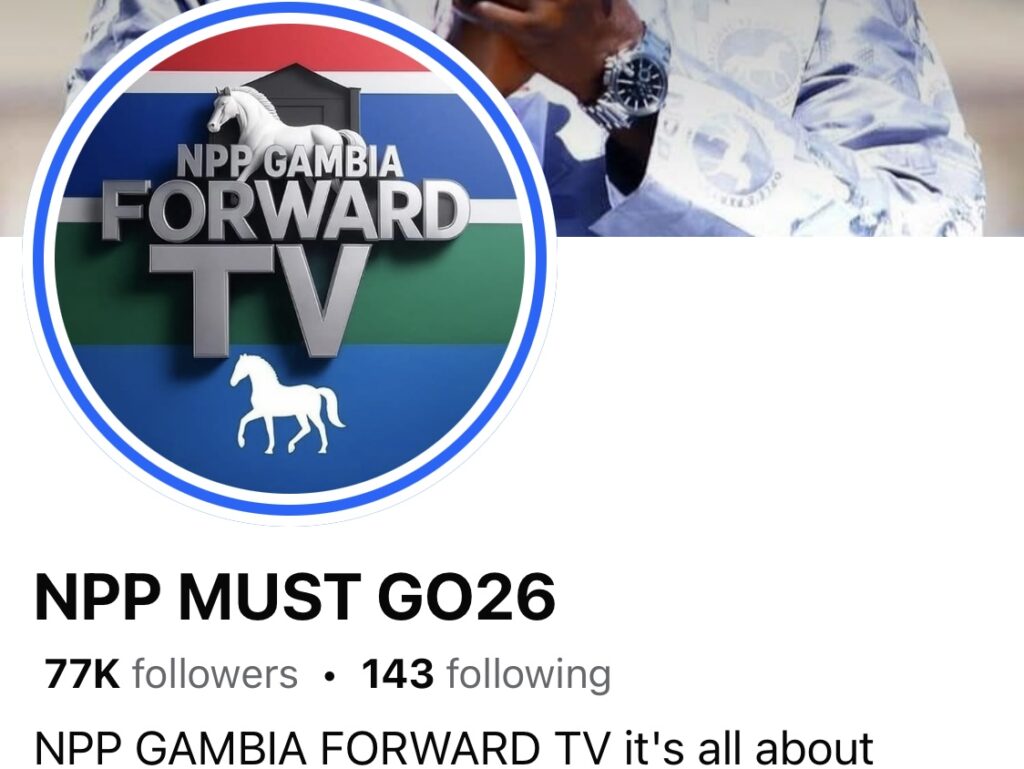
Malagen has flagged a pro-NPP Facebook page for sharing a xenophobic post accusing KMC Mayor Talib Bensouda of being backed by “Moroccan relatives” a narrative that fuels ethnic hostility and distorts political competition.
On October 7, a Facebook page named NPP Must Go26, which openly expresses support for the ruling National People’s Party (NPP), shared a xenophobic post targeting Talib Bensouda, the Mayor of Kanifing Municipal Council (KMC).
The post accuses the mayor of being financed by his “Moroccan relatives” allegedly plotting to infiltrate and dominate The Gambia’s leadership, a framing that promotes ethnic and foreign-based hostility while distorting legitimate political competition as a foreign-backed conspiracy.
The post has since generated considerable engagement, including numerous shares, comments, and reactions many of which contain hateful and xenophobic remarks, further amplifying the divisive narrative.
Flagged Comment:
“TALIB’S CAMPAIGN FUELED BY MOROCCAN RELATIVES GAMBIA’S LEADERSHIP AT RISK.
‘Talib is being bankrolled by his Moroccan relatives, and their mission is to use him as a political pawn to help the Narr infiltrate and dominate Gambia’s leadership. A foreign-backed power grab hiding in plain sight.”
Analysis:
The flagged statement carries ethno-nationalist and xenophobic undertones, portraying a Gambian politician, Talib, as being controlled by foreign (Moroccan) actors with the aim of infiltrating and dominating Gambia’s leadership. Such language promotes fear, suspicion, and hostility toward individuals or groups based on foreign or ethnic identity, suggesting that certain communities are untrustworthy or a threat to national sovereignty.
By framing the politician’s campaign as a “foreign-backed power grab,” the post delegitimizes political competition and fuels xenophobic narratives that can undermine peace and trust among citizens. The rhetoric also exploits existing political and tribal sensitivities, increasing the risk of polarization, especially in a tense pre-election context.
Potential Impact:
The post carries significant potential to:
- Incite xenophobic or tribal sentiments, further polarizing political discourse.
- Influence voter behavior through fear-based narratives rather than informed, issue-based choices.
- Undermine democratic processes, eroding trust in both candidates and the electoral system.
- Trigger online harassment or offline hostility against individuals or groups perceived as “foreigners” or “outsiders.”
Recommendation:
- Political Parties: The NPP and other political parties should sensitize their supporters and affiliated online communities to avoid amplifying or sharing content that promotes ethnic, tribal, or xenophobic narratives. Party communication teams should issue clear internal guidelines discouraging hate and dangerous speech during political engagement both online and offline.
- Independent Electoral Commission (IEC): The IEC should work closely with political parties and the media to promote responsible campaign communication, emphasizing tolerance, respect, and issue-based politics. It should also consider including anti-hate speech provisions in its electoral code of conduct for parties and candidates.
Report to Us:
If you come across hate speech, misinformation, or disinformation, don’t hesitate to get in touch with us at editor.malagen@gmail.com or call/WhatsApp 6061301.
