
Dangerous Speech Alert: Presidential Adviser Flagged for Dangerous Ethnic Rhetoric
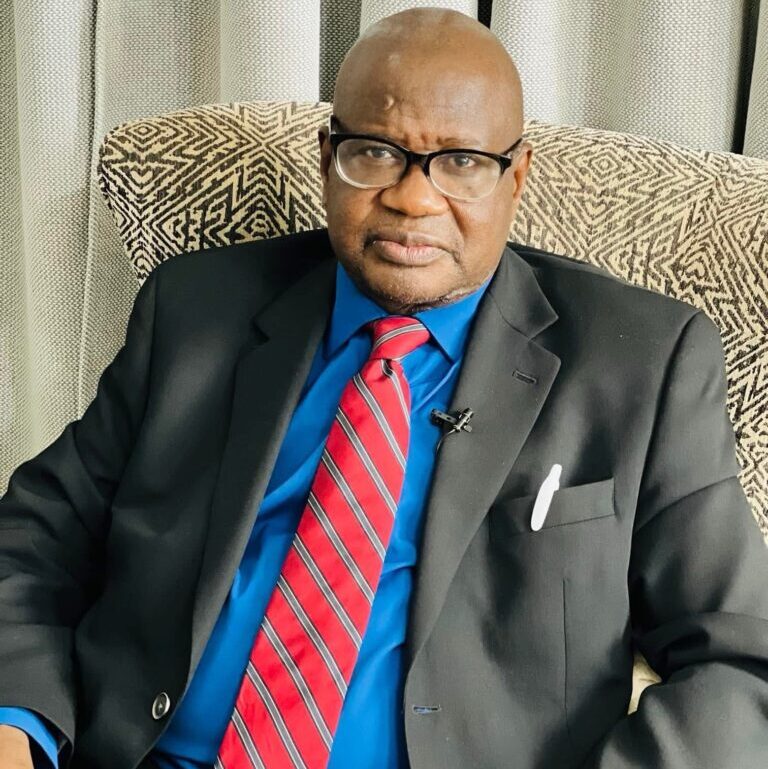
We flag comments made by Mr. Mballow, an aide to President Barrow, as Dangerous Speech for risk of inflaming ethnic tensions and ethnicising state power
On August 17, 2025, Saihou Mballow, an adviser to Gambian president Adama Barrow, addressed a group of Guinean nationals who gathered in Batokeh for sensitisation on Alien ID Card, an identification document issued to non-citizens resident in the country.
Mr. Mballow was invited to speak to the gathering by the organiser of the event, Mariama Jallow, a reporter at Terang FM. But his speech, which lasted 16 minutes per the video clip available online, turned into an ethnic rhetoric. He stoked ethnic dominance narratives in governance and security roles in a manner that undermines unity and civic equality.
What exactly did Mr. Mballow say?
Speaking in Fula and translated by Malagen, Mballow said:
“What I can tell you today is, this government that is here today, if the Fula are not better than others, then no one is better than the Fula. That is the truth. If you look at the ministers, the President and Vice President are all Fula. The Secretary General of the Civil Service is a Fula. The Secretary to the Cabinet is a Fula. The Director of SIS is a Fula. Countless people working in law and decision-making bodies are Fula. If I, the adviser to the President, am a Fula, then what are you afraid of?
“Yesterday, people made you cry in this country, but today, nobody can do that to you with this current government. We won’t accept that. Even in the police force, we have several high-ranking officers who are Fula. I am not a tribalist; I am just stating the facts. If a person does not stand for his relatives/people, who will he stand for? We are not saying that you should break the law.”
Why This Matters
- Authority comes with responsibility
A presidential adviser is a senior government official with close access to the head of state and influence over decision-making. When someone with such authority makes divisive comments, it signals government endorsement, risks shaping national narratives and influencing institutional behaviour.
- Ethnicisation of State Power
“If Fulas are not better than others, then no one is better than the Fula,” Mr. Mballow said. He went on to list out key positions in government and security, which in his view, are controlled by people from the Fula ethnic group. “If you do not defend your own people, who would you defend,” he added. Ethnic dominance narratives are extremely dangerous in multi-ethnic contexts, especially in this instance where Mr. Mballow explicitly promotes ethnic loyalty over national identity and civic equality from people entrusted to serve with impartiality regardless of ethnicity, religion or class.
- Risks Inflaming Ethnic and Political Tensions
The tensions created online indicate the potential harm in Mr. Mballow’s comments. And, when viewed against a backdrop of the heightened political and ethnic sensitivities ahead of the presidential elections next year, the comments risk inflaming political tensions in the face of growing concerns over the exploitation of ethnic and foreign identity politics for political gain.
- Risk of Undermining the Rule of Law
By urging members of the Fula community not to fear anyone in an ethnic rhetoric, the speech carries the potential to embolden risky or harmful behaviour. It risks sending a message that certain groups are protected or untouchable, which can undermine respect for laws, civic norms, and the principle of equality before the law.
Apology from Mr. Mballow
Mr. Mballow has since apologised for his statement. In a message posted online, he said: “Since the incident, I have reviewed the footage and reflected profoundly on my words. I acknowledge that my comments fell short of the standards expected of me, and I am truly remorseful.”
Conclusion
Mr. Mballow’s comments exemplify elements of dangerous speech, including advocacy for preferential treatment based on ethnicity, potential incitement of fear or hostility, and the promotion of discrimination.
But Mr. Mballow’s remarks are not isolated. They reflect a broader pattern of hate and dangerous speech that marred the last presidential election, a trend that is resurfacing at alarming levels, both in scale and severity, as the country moves closer to the 2026 election.
About Malagen Media Monitoring:
Malagen’s media monitoring project tracks and counters misinformation, disinformation, hate speech, and dangerous speech. We work to ensure that political discourse remains respectful, inclusive, and based on facts.
For more information on hate speech during elections, please read the report produced by Malagen with support from UNESCO, providing an in-depth analysis of hate speech covering the 2021-2023 electoral cycle. Supported by UNESCO, the Report is available on this Link
Report to Us:
Have you encountered hate speech, misinformation, or disinformation?
Email us at editor.malagen@gmail.com or call/WhatsApp us on 7989616
Kaddy Jawo heads the malagen media monitoring desk and fact-checking desk. She is also an investigative reporter
