
Dangerous Speech Alert: Malagen Flags UDP National Executive for Inflammatory Statement
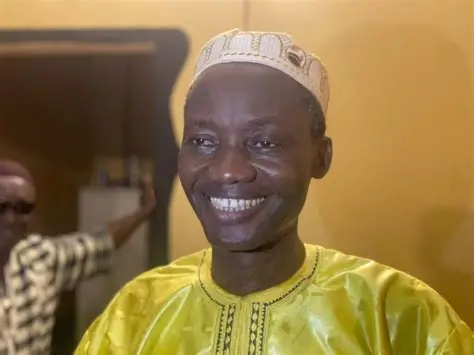
Malagen flagged Mr. Touray’s statement because it has the potential to incite violence, deepen political divisions, and normalize the use of force as a tool for political gain.
Borry S. Touray, a National Executive member of the United Democratic Party (UDP), made a highly inflammatory statement during a party-political meeting in Jambur, West Coast Region.
Malagen reviewed a video clip from the event, which contained language capable of inciting violence and escalating political tensions.
What Exactly Did Mr. Touray Say?
In the clip, Mr. Touray spoke in Mandinka, translated by Malagen:
“We should call for violence, even if necessary, just to remove President Adama Barrow. Barrow should not contest again. We (UDP) are more legitimate children than them (NPP). If they want peace, we want peace, but if they want violence, we are ready for violence too.”
Why the Statement Is Dangerous
Given Mr. Touray’s status as a National Executive member, his words carry significant influence over party supporters. The call ‘for violence” is particularly concerning, as it encourages supporters to take the law into their own hands. Additionally, declaring the UDP “more legitimate” than the ruling party is provocative and risks inflaming tensions between political groups.
This rhetoric has the potential to spark confrontations, deepen political divisions, and escalate existing rivalries especially as The Gambia approaches the 2026 presidential election, when political emotions and loyalties are heightened.
Why This Matters
Statements like Mr. Touray’s risk fueling resentment, inciting violence, and creating an environment where force is seen as a legitimate tool for political gain.
Analysts and civil society actors have consistently warned against the exploitation of ethnic and party identities for political advantage. This kind of dangerous rhetoric echoes patterns observed during the 2021 elections and now appears to be resurfacing..
A recent National Human Rights Commission survey on hate speech confirms that political figures and their supporters are among the leading sources of dangerous speech in the country.
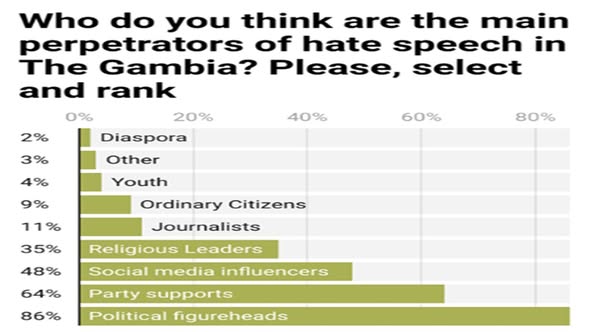
According to the survey, political figureheads are responsible for approximately 86 percent of all recorded hate speech incidents nationwide.
UDP Reaction
The UDP issued a statement on their official Facebook page expressing concern about the police summoning of their National Executive member. The party did not condemn Mr. Touray’s statements, instead accusing the ruling party (NPP) of deliberately misinterpreting his comments.
Conclusion
Mr Touray’s statement is highly dangerous and inflammatory. Public calls for violence by influential political figures threaten national peace and stability, undermine democratic discourse, and risk reigniting the political tensions witnessed in previous elections.
Political parties must take responsibility for restraining their leaders and promoting rhetoric that prioritizes dialogue, civic participation, and peaceful competition.
As The Gambia approaches the 2026 elections, ensuring that political speech does not incite violence is crucial to maintaining public trust, social cohesion, and the credibility of the electoral process.
About Malagen Media Monitoring
Malagen’s media monitoring tracks and counters misinformation, disinformation, hate speech, and dangerous speech to ensure that political discourse remains respectful, inclusive, and fact-based.
For more information, read our report on Hate Speech in The Gambia (2021–2023), produced with the support of UNESCO, which provides an in-depth analysis of hate and dangerous speech during past electoral cycles.
Report to Us:
If you come across hate speech, misinformation, or disinformation, please contact us at editor.malagen@gmail.com or call/text: 3834715
