
Dangerous Speech Alert: Imam Flagged for Inflammatory Religious Rhetoric
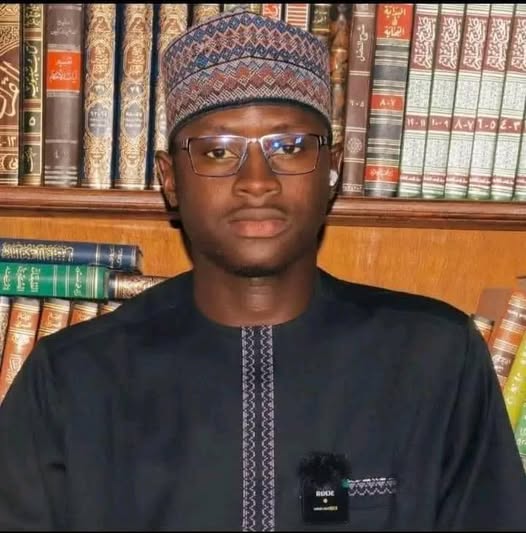
We flag Imam Kuyateh’s comments for vilifying a group’s core religious practice and inflaming sectarian tensions
On August 28, 2025, Imam Abdul Kareem Kuyateh delivered a Friday Jumma sermon at Imam Malick Mosque, one of The Gambia’s well-known mosques. A viral video clip of his five-minute sermon, now circulating online, shows the imam vilifying a practice called “Magal Touba”, one of the largest annual religious gatherings in West Africa and a central event for the Muridiyya Sufi order in Senegal. The Gambia Police Force has since invited him for questioning.
What Exactly Did Imam Kuyateh Say?
Speaking in Wolof, and translated by Malagen, the imam declared that “Magal Touba” is un-Islamic, and and whoever attends it will go to hell.”
He added:
- “In fact, someone who spends the whole night in a nightclub—drinking, dancing, and then goes home is far better than the one who goes to Magal Touba.”
- “The sins of a nightclub goer, however serious, can be forgiven, but anyone who associates partners with Allah will never be forgiven.”
Why This Matters
Abdul Kareem Kuyateh is a young preacher, but commands a significant following especially on social media. This makes him a moral and spiritual authority in the eyes of his followers who are vulnerable to being influenced towards hostility or violence against the group that is the subject of attacks.
Moreover, inflammatory religious rhetoric, which has already have provoked outrage among the Mourid community both in The Gambia and Senegal, risks undermining social cohesion and increasing attacks against minority religious sects and denominations
Apology and Government Response
The Ministry of Lands, Regional Government and Religious Affairs issued a statement condemning the remarks. According to the Ministry, Imam Kuyateh admitted his mistake, repented, and issued an apology. The Ministry reaffirmed the Murid community’s vital role in the global Muslim Ummah and stressed that scholars and preachers must approach sensitive topics with care and unity, in line with Islamic teachings.
It further warned that future actions threatening peace and harmony within Muslim communities will face strict disciplinary measures, while urging believers to embrace forgiveness and reconciliation
Wider Context
Malagen notes that Imam Kuyateh’s comments fit into patterns of dangerous speech, characterized by rhetoric that stigmatizes communities, deepens religious divisions, or incites hostility. His remarks recall earlier incidents, including in 2022 when Imam Abdullah Fatty attacked the Ahmadiyya Jamaat and threatened further attacks if they were granted equal freedom with mainstream Muslims.
Conclusion
This incident highlights the risks posed by influential religious figures using rhetoric that undermines social cohesion. Dangerous speech of this nature, if left unchecked, can escalate into conflict and weaken the delicate fabric of religious tolerance in The Gambia and the wider region.
