
Hopes and Hurdles: Breast Cancer Care in The Gambia
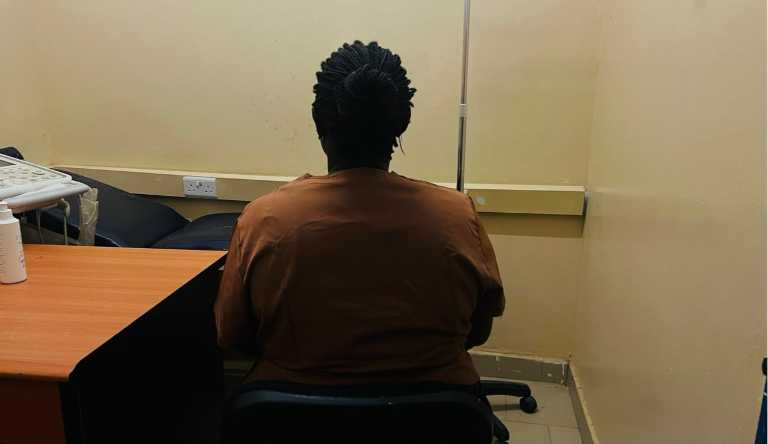
Expanding early detection in The Gambia is giving breast cancer patients hope, but systemic healthcare shortages and high treatment costs mean a diagnosis remains a devastating financial and medical hurdle.
Anna Njie was 38-years-old when she first discovered the lump. She is a devoted wife and mother of four, and she works as a senior nursing attendant. It was a late afternoon, and she had just returned home from the hospital. Sitting on her veranda with her husband and their second child, her hand inadvertently brushed against her breast.
“Mummy, I hope it’s not cancer,” her daughter said. Her husband quickly told her not to say such things. But deep down, she sensed something was off.
The following day, a doctor removed the lump for a biopsy, and she thought that would be the end of it. But two to three months later, another lump appeared in the same spot. With a colleague’s help, she obtained the results of her first biopsy. It was breast cancer.
That diagnosis marked the beginning of a new battle: the struggle to afford treatment.
Just three days after chemotherapy, she pushed herself to return to work. Staying home alone was not an option. Her colleagues became her lifeline, waiting for her after treatments, providing money for medications and scans, and occasionally driving her home.
“There were moments when it felt like everything was falling apart,” she said. “The biggest support I had came from my colleagues. They would call and say, ‘This is for you. Take it.’ I’m truly grateful to them. Without their help, I don’t know where I would be,” she wept.
Now 40, Anna is a breast cancer survivor. But her experience reflects a wider challenge facing breast cancer patients in The Gambia: while efforts to promote early detection are expanding, access to treatment remains difficult for many.
Breast cancer remains one of the most commonly diagnosed cancers among women and is a leading cause of cancer-related deaths in women, accounting for 23% of cancer cases and 14% of deaths worldwide.
The high morbidity and mortality rates do not exempt low- and middle-income countries, where the incidence of breast cancer has been increasing rapidly, largely attributed to lifestyle changes, alterations in reproductive health factors, and longer life expectancy.
According to a recent World Health Organization (WHO) report, in 2024, there were 20.6 million new cancer cases worldwide, including non-melanoma skin cancers. Among women, breast cancer accounted for the highest number of new diagnoses, with 2.4 million new cases.
In The Gambia, breast cancer is the second most commonly diagnosed cancer, second only to cervical cancer, with an estimated prevalence of 11.25 per 100,000 women. Recent data indicate that more than 50% of diagnosed patients died from the disease by 2020.
The National Cancer Control Programme, which coordinates prevention, screening, and treatment exercises, faces significant challenges. Current limitations in capacity, including breast cancer diagnosis, treatment, and patient management, have significantly impacted breast cancer outcomes. Only 50% (52 out of 102) of healthcare facilities can provide clinical diagnosis, and women often travel up to 45 kilometres to access healthcare facilities.
Evidence suggests that an average delay of between three and six months between symptom onset and treatment significantly affects prognosis and survival rates. Multiple factors contribute to poor outcomes, including limited awareness, cultural beliefs, socioeconomic barriers, and inadequate access to modern diagnostic facilities.
Health officials and civil society organisations are increasingly focusing on early detection as one way to improve outcomes.
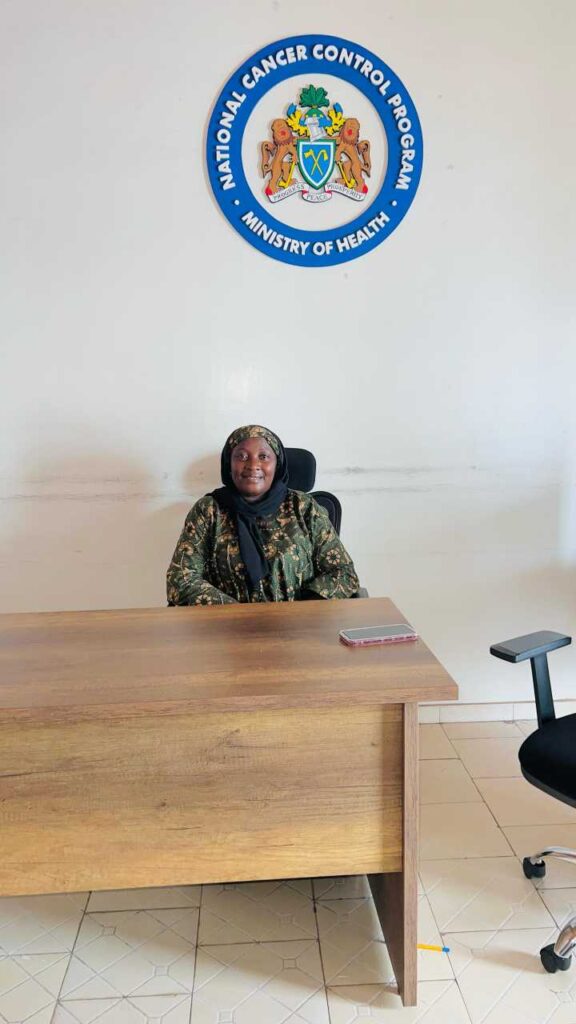
Fatoumatta Jaiteh, Assistant Programme Manager of the National Cancer Control Programme, said breast cancer appears to be increasing in The Gambia because the country currently lacks accurate national data and its cancer registry is dormant.
“Anecdotally, I can say that breast cancer is on the increase,” Jaiteh said. “Our cancer registry is currently dormant, and we are working hard to revive it. That is why it is difficult to give exact figures for now.”
She said the situation was particularly concerning because many of the patients being seen are young women, including those in their early 20s.
“The saddest part is that when people are diagnosed with breast cancer, the prognosis is mostly bad. We mostly lose our patients,” she bemoaned. “It is very devastating because they are the future leaders and they make a lot of impact in society if they survive.”
Jaiteh said limited awareness and delayed health-seeking behaviour were among the factors contributing to late diagnosis. She encouraged women to conduct regular breast self-examinations and seek medical attention if they notice any unusual changes in their breasts.
“Every woman can do a self-breast examination every month. If you detect any lump, you can go to the hospital and have it checked,” she said.
Since its establishment in 2022, the National Cancer Control Programme has developed a national cancer strategy and breast cancer guidelines. It has also trained midwives in breast cancer screening and is working to integrate screening into existing health services.
“We want to screen every woman who walks into a hospital for any service,” Jaiteh said. “We want to provide breast examinations so that we can detect cancer early.”
Screening services are available at the Edward Francis Small Teaching Hospital and Bundung Maternal and Child Health Hospital. The programme also conducts community outreach and works with civil society organisations to provide screening and awareness.
“The more you sensitise people, the more they come for services. If you detect it early, you can help them,” she said.
For some families, the consequences of delayed diagnosis have been devastating.
Maria Thompson, a family member of a woman who later died from cancer, said her relative’s illness was detected at a late stage, after the disease had already progressed.
“She had been battling it for a long time before it was detected,” Thompson said. As the illness worsened, her relatives experienced severe pain and became increasingly withdrawn and easily irritated. Her personality changed, affecting her relationships with family members and those around her.
“She was not nice to people anymore. She was angry at people, and sometimes she was not nice to me,” Thompson said. “Everything irritated her, and she was also in pain. She would cry because of the pain.”
Thompson said the woman received treatment but was eventually transferred to another facility after becoming dissatisfied with her treatment and feeling that the medication was not helping her.
Despite the difficulties, the family continued to support her throughout her illness. She eventually died after battling the disease.
Reflecting on the experience, Thompson urged people to take screening seriously, saying early detection could help prevent patients from reaching advanced stages of illness.
“It is better to get checked, even when you feel okay,” she said.
Community screening builds trust
Cancer confrontation, care, and consolation: The Gambia (C3G) is also bringing screening and awareness services to communities.
Awa Sarr, an administrative assistant at C3G, said the organisation’s work focuses on confronting cancer through awareness, caring for patients during treatment, and consoling those facing advanced disease.
Its Pink October campaign aims to screen about 600 women annually for breast and cervical cancer, targeting “underserved communities that are usually left out of national health initiatives.” It also conducts awareness campaigns through radio and television.
Sarr said C3G has screened more than 5,000 women over the years, thanks to a growing interest in screening. In the early years, she said, teams had to actively persuade women to attend screening campaigns. That has gradually changed.
Testimonials from women who discovered abnormalities through screening have also helped reduce fear and stigma around breast cancer.
“When a woman hears another woman on the radio describe finding a lump she almost ignored, it stops being an abstract health message and becomes something she recognises in herself,” she said. “That is what moves people from fear to action.”
But Sarr said early detection alone cannot reduce breast cancer deaths if patients cannot afford the treatment they need after diagnosis.
“The takeaway is this: early detection only saves lives if it is connected to treatment people can actually afford,” she said. “Otherwise, all you have done is give someone a diagnosis earlier, without changing what happens to them next.”
Diagnosis is only the beginning
For Anna Njie, the breast cancer survivor, discovering the disease was only the beginning of a difficult treatment journey. At one point, she needed medication that cost $43 for two vials. She could not afford all the medication required.
Her doctor told her she needed all the medicines before starting treatment, forcing her to seek help from relatives and others. Eventually, a reverend father connected her with a reverend sister in Senegal.
Whenever she had an appointment, she would take a picture of her prescription and send it to her sister. The sister would take the prescription to a pharmacy in Senegal and purchase the medicine, which her husband would later collect. Sometimes, the medication took about two weeks to reach her after an appointment.
“It was incredibly tough,” she recalled. “I was just left there worrying. It wasn’t easy.”
Today, radiotherapy remains one of her biggest challenges. She travelled to Senegal for treatment, but said the cost was approximately $5,000. “I cannot afford it,” she said.
Treatment remains a major gap
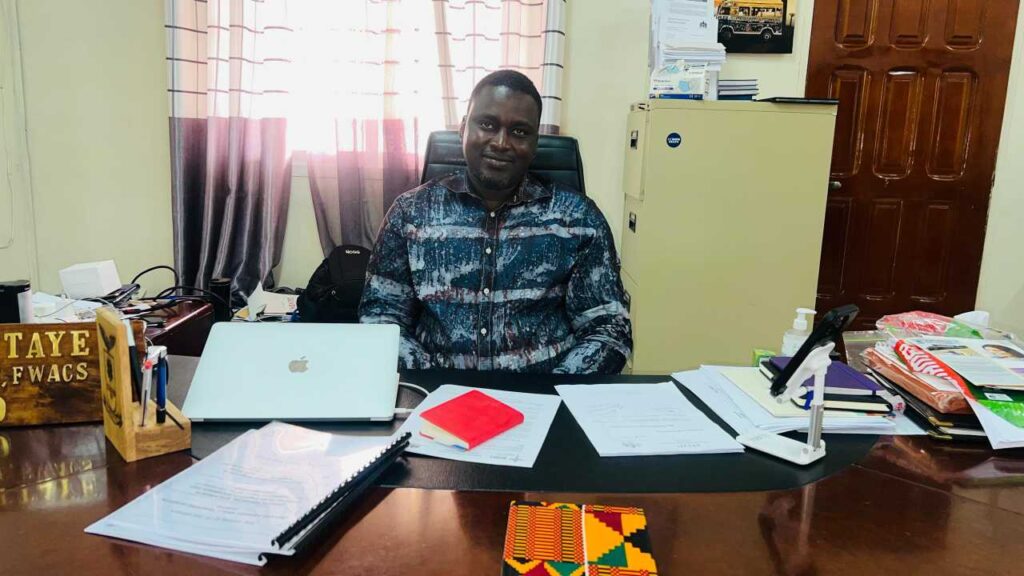
Dr Mustapha Bittaye, Chief Medical Director of the Edward Francis Small Teaching Hospital, said the hospital’s ability to treat cancer patients remains constrained by gaps in specialised diagnostic and treatment services.
Some breast cancer patients require tests to determine the type of receptors present in their tumours, which can help guide treatment. But such specialised testing is not always available locally.
“Cancer treatment is very expensive, and there are different options, and you need to do different tests,” he said. “There are lots of different tests that could be done, which we don’t have.”
The cost of cancer medicines also remains a challenge, with some patients required to purchase expensive drugs themselves.
Dr Bittaye also identified the absence of radiotherapy as a major gap in the country’s cancer response, forcing some patients to seek treatment outside The Gambia. The government, he said, is working towards establishing a dedicated cancer treatment facility.
“There will be a whole place just for cancer therapy and all that,” he said.
Sarr said the high cost of chemotherapy was one of the biggest barriers facing cancer patients.
“We can catch cancer early. We can do everything right on the detection side. And then a patient hits a wall she cannot afford to climb,” she said.
She said subsidised or covered chemotherapy, through the National Health Insurance Authority or direct government procurement of cancer medicines, would significantly improve patients’ chances of survival. She also said establishing a radiotherapy unit in The Gambia would reduce the need for patients to travel abroad for treatment.
“We have built the front end of the pipeline: awareness, screening, and early detection,” Sarr said. “But a woman diagnosed early who cannot afford treatment is still a woman we have failed to save.”
More patients are presenting earlier
Dr Lamin Jaiteh, a surgical oncologist at the Edward Francis Small Teaching Hospital, believes there has been progress in the diagnosis and treatment of breast cancer in The Gambia.
The hospital has a specialised breast clinic within its Surgery Department that deals with breast complaints and conditions. Breast cancer is the second most common cancer among women in The Gambia, he said, making the clinic an important part of the country’s response.
In the past, many patients showed up with very advanced disease, when there was little that could be done to treat the cancer itself. If the cancer had spread extensively throughout the body, it might no longer be possible to remove it surgically. In such cases, treatment shifts towards palliative or supportive care aimed at improving the patient’s quality of life.
Dr Jaiteh said many patients were previously diagnosed with Stage 3B breast cancer, which is locally advanced cancer that has spread beyond the breast but has not yet spread to distant organs. At one point, he said that approximately 60 to 70 out of every 100 patients were within that category. More recently, however, there has been some improvement, with more patients presenting at Stage 3A, a less advanced stage of the disease.
He attributed the improvement to interventions at both hospital and community levels, particularly efforts to create awareness and encourage women to seek care earlier. The ultimate goal, he said, is to diagnose breast cancer at Stage 1 or Stage 2, when the tumour is smaller, and treatment is more likely to be successful.
“There is a general perception that cancer cannot be properly managed in The Gambia,” he said. “However, we have repeatedly shown that patients can have good outcomes if they present early and receive appropriate treatment.”
He said patients treated for breast cancer have gone into remission and returned to their families, businesses and professional lives.
Survivors Could Become Part of the Solution
But while treatment has improved, Dr Jaiteh believes more support is needed for patients and survivors. The Gambia does not yet have an officially registered breast cancer survivorship programme or survivor association.
Healthcare professionals play an important role in treating the disease, he said, but survivors can offer a different kind of support because they have personally experienced the journey.
A survivorship group could support newly diagnosed patients and those currently undergoing treatment. Survivors could share their experiences of surgery, chemotherapy and radiotherapy and help patients understand what to expect.
Emotional support could make a significant difference in how patients view the disease and in whether they continue with treatment.
“Sometimes, patients feel that their family members do not fully understand what they are going through,” he said. “A person who has experienced the same journey may be able to provide a different and more relatable form of support.”
Cancer treatment can be difficult. Breast cancer surgery may involve removing part or all of a woman’s breast, affecting her sense of femininity and psychological well-being.
Chemotherapy can also have significant side effects, including vomiting and hair loss. Treatment can take between six and 12 months, during which patients may feel that they are no longer themselves. A support group, Dr. Jaiteh said, could accompany patients through that journey.
“A survivor can explain why completing treatment is important and what the benefits can be,” he said. “They can give a patient a glimpse of what life may look like after treatment.”
Seeing someone who has gone through the same process and is now living a healthy life can give patients hope and encourage them to continue with treatment.
But stigma remains a barrier. “Not everyone is willing to share their story or publicly acknowledge that they have had breast cancer,” he said. This can prevent survivors from coming forward and make it more difficult for support groups to form.
Still, Dr Jaiteh believes such a programme could eventually be replicated across The Gambia without requiring significant resources. The basic requirement, he said, would be bringing together people who have gone through cancer treatment and are willing to share their experiences. Survivor groups could also participate in community outreach and educate people about the signs and symptoms of breast cancer.
Their personal stories, he said, could make awareness campaigns more powerful and relatable.
Support can make the difference
Anna Njie’s own experience shows the role such support can play. During her chemotherapy and surgery, she received support from several people. A reverend father helped her access medication, while her colleagues supported her with the cost of medicines and investigations.
After chemotherapy, she underwent several tests and scans to determine whether the cancer had spread to other parts of her body. Sometimes the necessary equipment was unavailable at the hospital, forcing her to seek services elsewhere, where costs were higher.
Her family also supported her. As the breadwinner, her illness affected not only her but also the people who depended on her. Her younger sister took over many of the responsibilities she had previously handled.
But she said her colleagues made the biggest difference in her recovery. There were times when she felt discouraged and as though everything was becoming too difficult. Her colleagues encouraged her and sometimes gave her financial assistance. They would wait for her to finish chemotherapy before going home. Sometimes, if an ambulance was available, one of her colleagues would take her home.
“I really appreciate them. If not for them, I don’t know,” she wept.
She now advises other breast cancer patients to follow the treatment prescribed by their doctors and remain consistent with it. She also advises patients not to mix hospital treatment with traditional medicines without proper medical guidance. “We don’t know the dosage and how it is going to work inside our system,” she said.

Dr Jaiteh urged women not to wait until October, which is widely associated with breast cancer awareness campaigns, before seeking screening. “The services are available throughout the year,” he said. “Screening can save you from developing cancer, and screening can also save your life. Treatment is expensive and painful, so it is better to detect the disease early.”
He also urges patients diagnosed with breast cancer not to see the disease as a death sentence. “Cancer is a sickness, like any other sickness. It can be treated depending on the stage.”
For the Gambia’s breast cancer response to improve further, Dr Lamin Jaiteh said, the country needs a comprehensive cancer centre where patients can access diagnosis, treatment, and follow-up care in one place. The country also needs radiotherapy services, which are an essential component of cancer care.
A holistic system that supports patients from diagnosis through treatment and follow-up, combined with organised survivorship programmes, would strengthen breast cancer care in The Gambia.
For now, early detection, community screening, treatment support, and survivor care are emerging as important parts of the response. But the experience of the 40-year-old survivor shows that the path from diagnosis to recovery can still depend heavily on personal networks, colleagues, family members, and people willing to help pay for care.
Now, as a breast cancer survivor, she continues to attend her appointments at the hospital. Anna’s experience shows both the progress and the gaps in breast cancer care in The Gambia: women are being encouraged to seek care earlier, more women are being reached through screening, and some patients are surviving the disease. But for those who cannot afford the treatment that follows a diagnosis, early detection can still lead to another struggle.
