
Fact-Check: Did NAWEC increase Cashpower tariffs because of the fuel crisis?
A viral post says Cashpower tariffs have gone up. Is it true? Malagen checked.
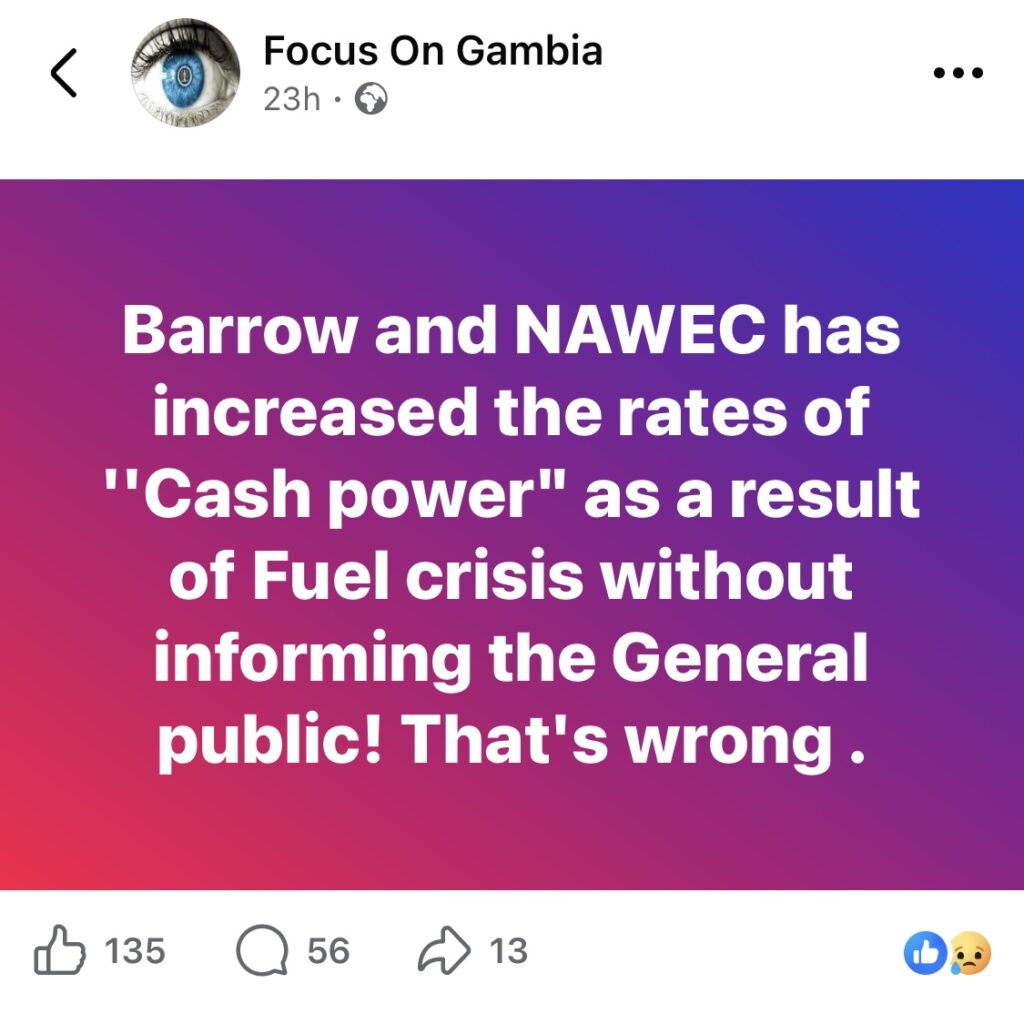
A Facebook post published by Focus on Gambia claims that the National Water and Electricity Company (NAWEC) and President Adama Barrow have increased the cost of Cashpower because of the ongoing electricity supply and fuel challenges.
The post has attracted more than 100 reactions and 13 shares, with some users interpreting the claim as an official increase in electricity tariffs.
Malagen Verified: Here’s What We Found
Malagen contacted NAWEC to verify whether the Cashpower tariff had been increased. Buba Badjie, NAWEC’s communication officer, told Malagen that the claim is false.
“Please be informed that the claim circulating on social media that NAWEC has increased the Cashpower tariff is not true. No increase has been made to Cashpower rates,” Badjie said.
Malagen also checked the electricity tariffs published by the Public Utilities Regulatory Authority (PURA). The regulator currently lists the domestic prepaid, or Cashpower, tariff at D13.85 per kWh.
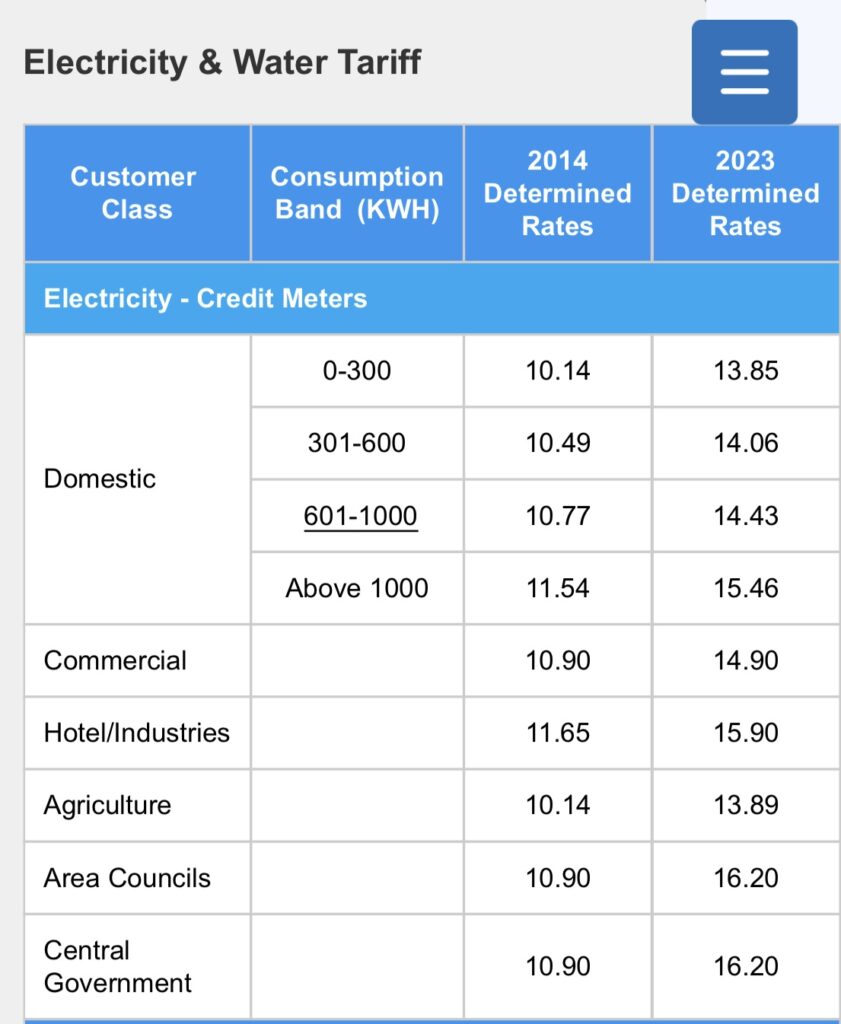
The published tariff schedule also shows that domestic customers using credit meters pay D13.85 per kWh for the first 300 kWh, with higher rates applying to higher consumption bands. Commercial, industrial, agricultural and government customers have separate tariffs.
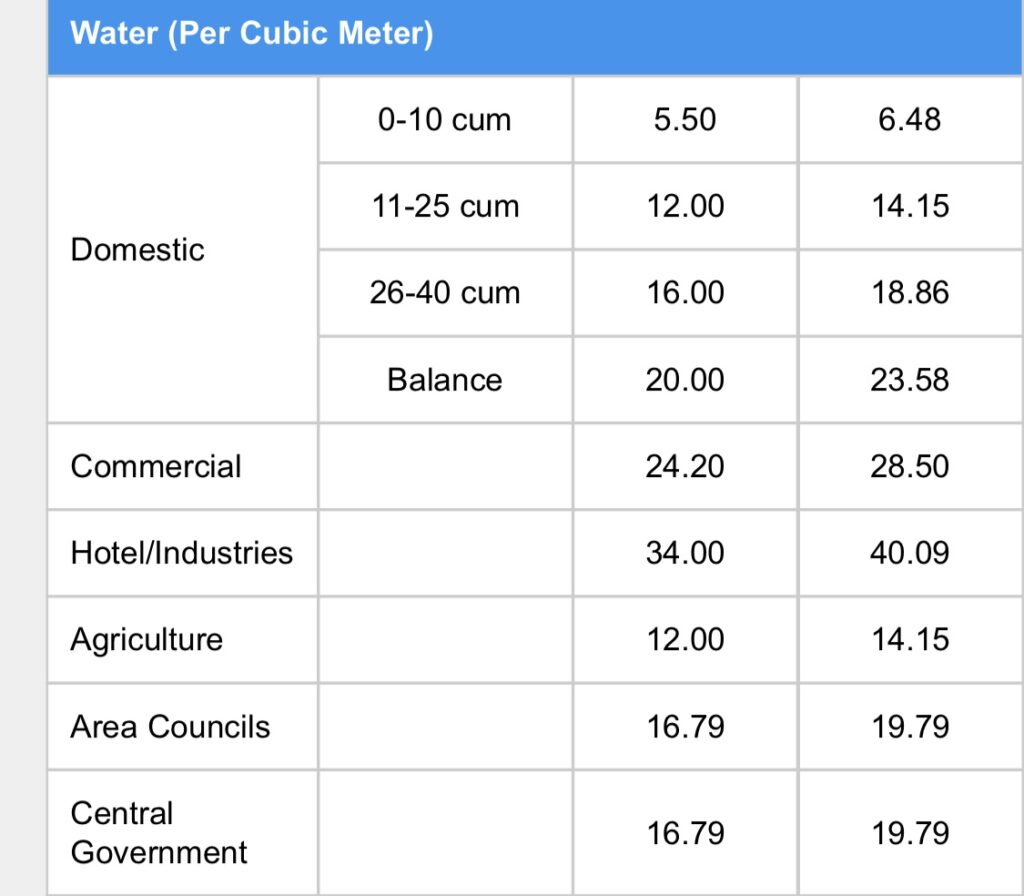
Who sets electricity tariffs?
The post also wrongly attributes tariff-setting authority directly to President Barrow. While the government has a role in the electricity sector, PURA is responsible for regulating public utilities and approving tariffs. PURA says tariff decisions take into account factors including the cost of providing the service, the utility’s performance, national policies and stakeholder input, with public consultations forming part of major tariff reviews.
This distinction is important because a rise in NAWEC’s operating costs does not automatically mean that electricity tariffs have been increased. In June 2026, for example, NAWEC announced a temporary emergency power-supply arrangement involving additional generation capacity and diesel/LFO fuel in response to reduced regional power availability. The company said the measure was temporary and designed to address supply challenges; it did not announce a Cashpower tariff increase.
What are the current electricity tariffs?
According to PURA’s published tariff schedule:
- Domestic prepaid/Cashpower: D13.85 per kWh
- Domestic credit meter: D13.85–D15.46 per kWh, depending on consumption
- Commercial: D14.90 per kWh
- Hotel/industries: D15.90 per kWh
- Agriculture: D13.89 per kWh
- Area councils: D16.20 per kWh
- Central government: D16.20 per kWh.
Why does the claim matter?
The claim is significant because Focus on Gambia has more than 200,000 followers, giving an inaccurate claim about the cost of electricity the potential to reach a large audience quickly. During an ongoing electricity and fuel-supply crisis, claims of an official tariff increase can also create unnecessary confusion among consumers who are already concerned about rising household costs.
It is also important to distinguish between electricity supply problems and electricity tariffs. NAWEC has acknowledged ongoing supply challenges and recently announced emergency measures to increase generation capacity, but those measures do not, by themselves, constitute an increase in the approved Cashpower tariff.
Conclusion
There is no evidence that NAWEC has increased the Cashpower tariff because of the fuel crisis. NAWEC has explicitly denied the claim, while PURA’s current published tariff remains D13.85 per kWh for domestic prepaid customers.
,
For any future change in electricity tariffs, consumers should look for an official announcement from NAWEC and/or PURA, rather than relying on unverified posts circulating on social media.
