
Does The Gambia have “one of the best” cardiology units in the sub-region?
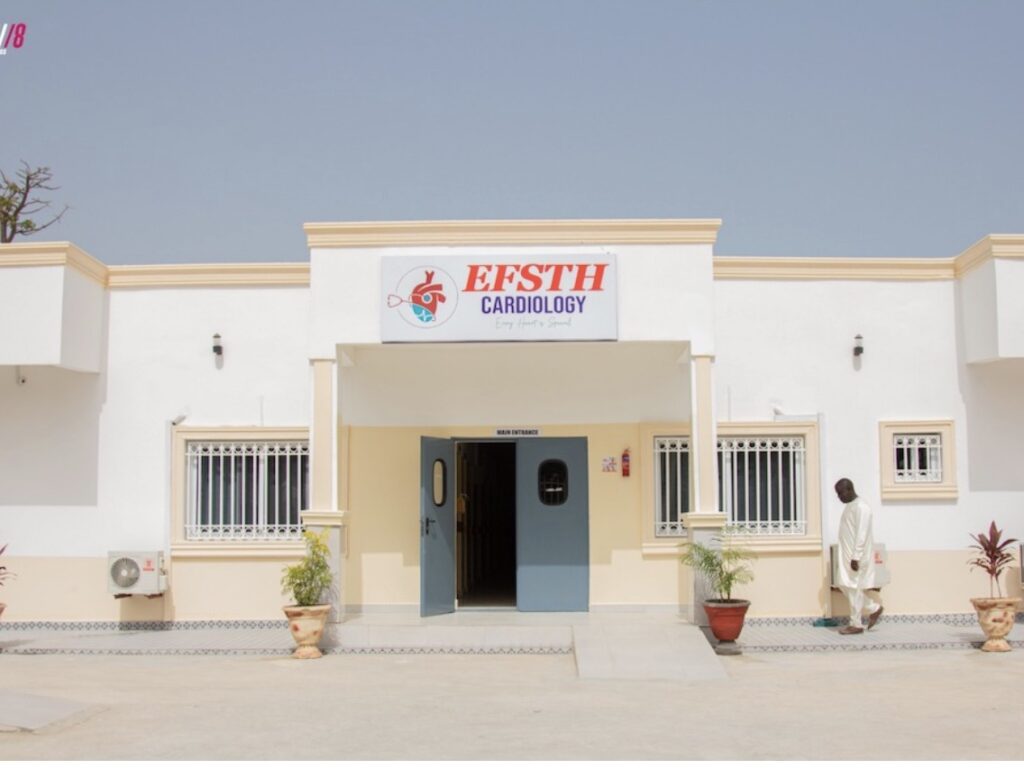
The Gambia has made notable progress in cardiac care, including the training of its first interventional cardiologist and the opening of a public cardiology unit in 2022. However, these developments are still very recent and limited in scale.
Claim: “The Gambia has one of the best cardiology units in the sub-region.”
Source: Dr. Ismaila Ceesay, Minister of Information (State of Affairs, ~31:00 mark)
Verdict: Exaggerated
In short:
The Gambia has made notable strides in developing local cardiology capacity, including training its first interventional cardiologist and opening a public cardiology unit. However, these recent developments do not yet match the long-established cardiology centres in the sub-region.
What is cardiology?
Cardiology is the branch of medicine that focuses on the heart and blood vessels. A cardiologist is a doctor who treats heart problems — sometimes with medication, sometimes with procedures. In more advanced hospitals, cardiology can also include: open-heart surgery and highly specialised treatments.
Evidence from the sub-region
Ghana is widely recognised as a leading cardiac hub in West Africa. Its established centres offer open-heart surgery, train cardiothoracic specialists, and handle regional referrals. Multiple peer-reviewed studies and professional reports highlight these facilities as among the most advanced in the sub-region.
Senegal, particularly Fann Teaching Hospital in Dakar, has provided cardiac surgery and cardiology services for decades. While smaller in scale than Ghana’s national centres, these units are consistently documented as reliable providers of advanced cardiac care.
The Gambia’s progress
In 2021, Dr. Lamin E.S. Jaiteh became the first Gambian trained in interventional cardiology, a landmark achievement for the country’s medical sector. The following year, the Edward Francis Small Teaching Hospital (EFSTH) inaugurated its cardiology unit, marking the first major public cardiology facility in The Gambia. Prior to these developments, patients requiring advanced cardiac care were often referred abroad or treated during short-term medical missions.

A 2016 report by the MRC Unit in The Gambia confirmed that there were no local cardiac surgical services at the time, with children suffering from heart conditions frequently relying on external charities such as Chain of Hope.
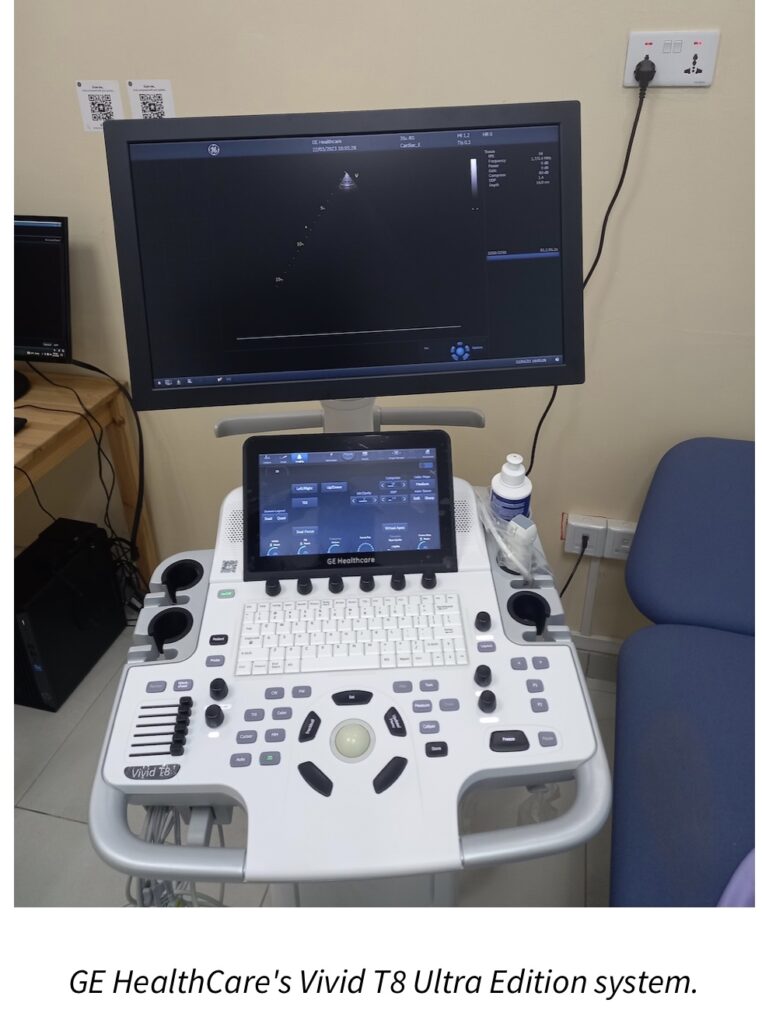
These milestones represent rapid progress in domestic cardiac care, yet they remain emerging capacity and do not yet match the decades-long, high-volume, multi-disciplinary cardiology and cardiothoracic programs established in countries like Ghana and Senegal.
Why the claim is exaggerated:
Describing The Gambia’s cardiology unit as “one of the best” suggests comprehensive, long-established services including routine open-heart surgery, intensive training programs, and regional referral capacity. Current evidence shows progress, but not at a level that justifies this superlative.
Yes, The Gambia has made commendable recent advances in domestic cardiac care, but the claim that it already has “one of the best” cardiology units in the sub-region overstates the current reality.
The statement is an exaggeration of the current situation.
