
Dangerous Speech Alert: Prominent NPP Member Flagged for Ethnic Rhetoric
All presidential candidates signed a peace pact committing themselves to peaceful campaigning and rejecting hate speech, tribal bigotry and other forms of divisive rhetoric. Article 2 of the agreement specifically addresses hate speech and tribal bigotry. However, despite this commitment, some political figures and their supporters continue to campaign using ethnic and tribal narratives, raising questions about their commitment to the agreement and the principles of peaceful electoral competition.
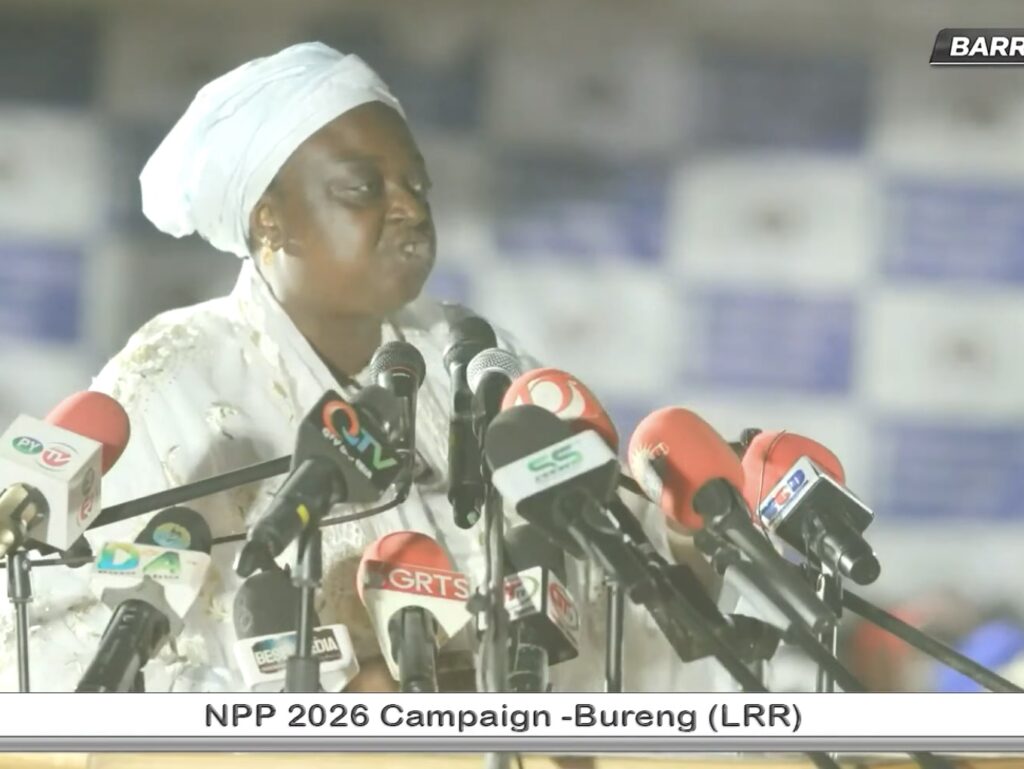
Malagen’s Media Monitoring has flagged Fatou Ceesay, an Ambassador-at-Large and senior member of the ruling National People’s Party (NPP), for remarks invoking ethnic identity and national origin to influence voters during a political rally in Jarra Bureng, Lower River Region.
Speaking at an NPP campaign rally in support of President Adama Barrow, Ceesay urged supporters to vote for the incumbent president by drawing a distinction between the ethnic and national backgrounds of the mothers of Barrow and his political rival, United Democratic Party (UDP) leader Ousainou Darboe. The rally was broadcast on the Barrow 2026 YouTube channel.
What exactly did she say?
At approximately 2:44 minutes into the broadcast, Ceesay told supporters:
“Ousainou Darboe’s mother is a Fula but a Guinean Fula from Futa, President Barrow’s mother is also a Fula but a Gambian Fula.”
She subsequently asked the crowd whether they would choose a foreigner over their own.
By making this comparison, Ceesay appeared to frame the presidential contest around ethnic belonging and national origin, suggesting that Barrow should be preferred because of his mother’s Gambian Fula background, while portraying Darboe’s maternal heritage as foreign.
Context
Ceesay’s remarks draw on this distinction to establish a political comparison between the two presidential contenders. Rather than encouraging voters to assess the candidates based on their leadership records, policies, political experience or vision for the country, she invokes their mothers’ ethnic and national backgrounds as a reason to support one candidate over another.
The suggestion that voters should choose a candidate because of his mother’s national origin, or reject another because of perceived foreign ancestry, risks reinforcing exclusionary ideas about who belongs and who is considered sufficiently Gambian to lead the country.
A person’s eligibility and legitimacy to contest for public office should be determined by the country’s constitutional and legal requirements, not by ethnic stereotypes, ancestry or political interpretations of belonging.
Why this matters
With just 10 days remaining before the December 5 presidential election, the stakes for national cohesion and peaceful political participation are particularly high. Political campaigns are an important part of democratic competition. Candidates and their supporters have every right to promote their preferred candidates, challenge opposing parties and persuade voters. However, these efforts should not come at the expense of social cohesion or encourage discrimination based on ethnicity, nationality or ancestry.
The Gambia is a multi-ethnic society, where communities have historically lived, traded, intermarried and shared social and cultural ties across national borders. Attempts to portray certain ethnic backgrounds as more authentically Gambian than others risk undermining these longstanding relationships.
Such rhetoric can also legitimise suspicion and hostility towards people perceived to have foreign ancestry, even when they are Gambian citizens. Beyond the immediate political contest, this can deepen social divisions and create an environment in which people are judged by their ethnic identity rather than their citizenship and individual contributions to society.
The concern is not simply that a political figure has mentioned ethnicity. It is how ethnicity is being used: as a political instrument to distinguish between candidates and suggest that one is more deserving of public support because of maternal ancestry. Political leaders and influential party figures have a particular responsibility to ensure that their campaign messages do not reinforce ethnic prejudice or encourage exclusion.
Conclusion
As Gambians prepare to elect their next president on December 5, political discourse must be guided by responsibility, respect and a commitment to national unity. Voters should be encouraged to make informed decisions based on candidates’ policies, track records, leadership capacity and plans for the country’s future, rather than their ethnic backgrounds, family origins or perceived national identity.
Political competition should never become a contest over who is more Gambian than the other. No ethnic community owns The Gambia, and no citizen should be made to feel less entitled to belong because of their ancestry.
This is particularly important given that all presidential candidates signed a peace pact committing themselves to peaceful campaigning and rejecting hate speech and tribal bigotry. Malagen urges political parties, candidates, campaign officials and their supporters to honour the agreement, exercise restraint and avoid rhetoric that could deepen ethnic divisions during this sensitive electoral period.
Citizens, too, must be cautious about sharing inflammatory political content without considering its potential consequences. Verify claims before sharing them, challenge divisive narratives and report content that promotes ethnic hostility.
As the country heads to the polls, the responsibility to protect The Gambia’s democratic and social fabric rests with all of us. Our differences should never become a weapon in the pursuit of political power.
