
Dangerous Speech Alert: Imam Saidy Flagged for Dangerous Rhetoric
The reported remarks come against the backdrop of The Gambia’s efforts to confront human rights violations committed during Yahya Jammeh’s rule. The country’s transitional justice process has sought to establish the truth about past abuses and promote accountability. Praising past killings risks undermining these efforts by framing violence as an acceptable response to perceived wrongdoing rather than a violation requiring accountability.
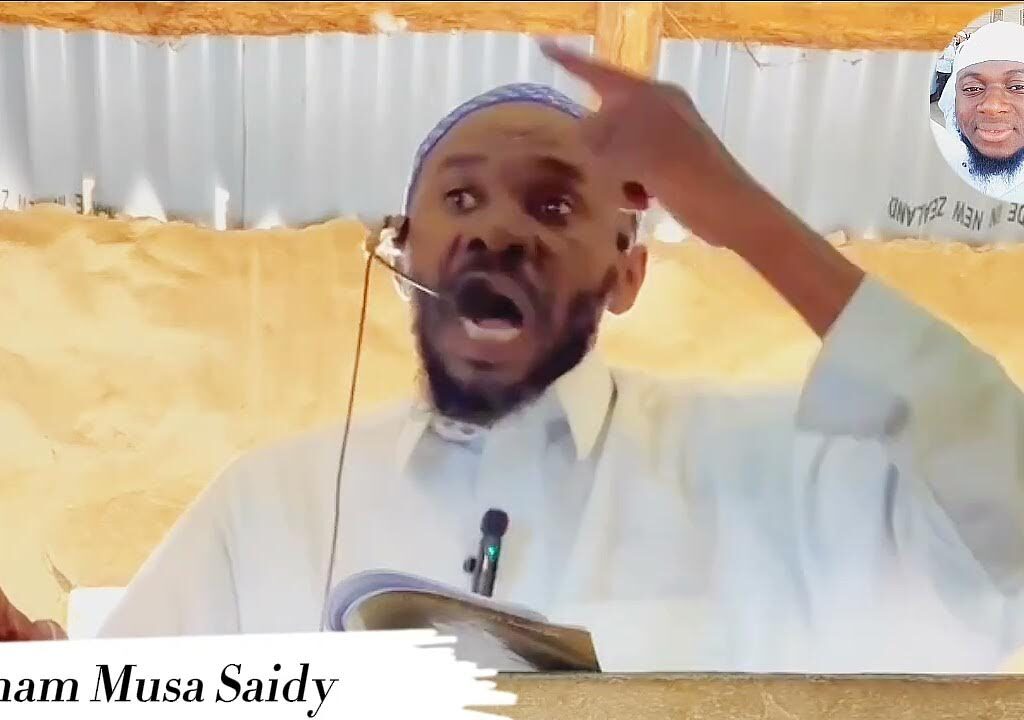
Malagen’s Media Monitoring has flagged a report in which Imam Musa Boto Saidy reportedly praised killings carried out during former President Yahya Jammeh’s 22-year rule and called for the beheading or killing of people he considers “undisciplined” in society.
According to The Standard, Imam Saidy made the remarks during his Friday sermon, saying former President Yahya Jammeh should be left to God to judge.
“In fact, what has he done? That is The Gambia for you. They do not even celebrate Barrow’s achievements. This is why I like Yahya Jammeh. I like the killings he did because there are undisciplined people in society who should be beheaded and sent to face Allah in the hereafter instead of arresting them,” the imam was quoted as saying.
He further argued that people he considered “undisciplined” should be killed to ensure stability in the country.
“They need to disappear and [be] secretly buried in the deep bushes. Nothing will come of it. They want to destroy the country. Yahya Jammeh killed them during his era,” The Standard quoted Imam Saidy as saying.
Why this is dangerous speech
The reported remarks raise concerns because they appear to legitimise violence as a means of enforcing discipline or maintaining social order. By praising past killings and advocating similar treatment for people he considers undesirable, the imam’s rhetoric risks normalising extrajudicial violence and undermining respect for human life, due process and the rule of law.
The statements are particularly concerning in The Gambia, where the Jammeh era was marked by serious human rights violations, including unlawful killings, enforced disappearances and torture. The country’s ongoing transitional justice process has sought to confront these abuses and reinforce the principles of accountability and respect for human rights.
When influential figures appear to justify past atrocities or advocate violence against others, their words can help create an environment in which violence is perceived as acceptable or necessary. However, determining whether particular remarks constitute dangerous speech or incitement requires consideration of their context, the speaker’s influence, the audience and the likelihood of harm.
This is not his first time
The latest reported remarks are not the first time Imam Saidy has come under scrutiny for statements targeting a community. A few weeks earlier, Malagen flagged his remarks as hate speech in which he reportedly referred to the Manjago community as “kafir”, an Arabic term commonly translated as “disbeliever” in Islamic contexts.
The remarks angered members of the Manjago community, amid concerns that the language could stigmatise the group and deepen social divisions. Imam Saidy later apologised for his remarks at a reconciliation meeting.
The incident highlights the potential consequences of rhetoric that labels or demeans people on the basis of their identity, particularly when it comes from influential religious figures. Such language can reinforce prejudice, fuel mistrust and strain relations between communities.
The United Nations defines hate speech as “any kind of communication in speech, writing or behaviour, that attacks or uses pejorative or discriminatory language with reference to a person or a group on the basis of who they are, in other words, based on their religion, ethnicity, nationality, race, colour, descent, gender or other identity factor.”
Why this matters
Religious leaders often command public trust and can significantly influence how their followers perceive other people and communities. When their statements stigmatise groups or appear to endorse violence, they risk giving prejudice greater legitimacy and making hostility or harm seem acceptable.
In The Gambia, where efforts to address past human rights abuses remain important, public figures have a responsibility to avoid rhetoric that undermines human dignity, peaceful coexistence and the rule of law. Freedom of expression is a fundamental right, but it does not make calls for violence harmless.
The potential reach and influence of such statements make responsible public communication essential, particularly in a society where rhetoric targeting communities can deepen existing tensions and threaten social cohesion.
