
Dangerous Speech Alert: Mai Ahmed Fatty Flagged Over Inflammatory Political Rhetoric
With 58 days to go before the 2026 presidential election, The Gambia’s political environment is already becoming increasingly charged. As campaign activity intensifies, politicians, political parties, supporters and other influential voices have a responsibility to measure their words carefully and avoid rhetoric that could incite hostility, promote discrimination, deepen divisions or encourage the exclusion of political opponents.
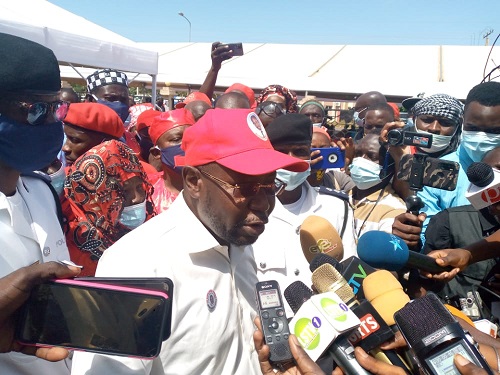
Malagen’s Media Monitoring Desk has flagged remarks by prominent political figure Mai Ahmed Fatty, in which he warned Gambians against associating with the United Democratic Party (UDP). Fatty made the remarks during a Meet the People Tour meeting in Wuli, Upper River Region, on 7 October 2026.
What Exactly Did He Say?
Speaking in Mandinka language and translate by Malagen, Fatty said “Be mindful of the UDP. Do not attend their meetings, welcome them, honour them or respect them because they do not want peace for this country,”
Why Is the Statement Dangerous?
The remarks warrant monitoring as potentially dangerous and inflammatory political rhetoric because they move beyond criticism of a political party and its policies to discouraging citizens from associating with, participating in activities organised by, or showing respect towards its members.
By telling Gambians to “be mindful” of the UDP, Fatty presents the party as something citizens should be wary of. Politicians have a legitimate right to criticise opposing parties, question their policies and challenge their records. However, broad warnings about an entire political organisation can contribute to a perception that the party, or those associated with it, poses a threat.
The call not to attend UDP meetings is particularly significant in an electoral context. The UDP is a registered political party, and its supporters have the same right to participate in political activities as supporters of other parties. Discouraging citizens from attending its meetings can undermine political pluralism by suggesting that engaging with a particular political group is something to be avoided, rather than allowing voters to listen to different political positions and make their own assessments.
The instruction not to “welcome, honour or respect” UDP members also extends the rhetoric beyond political disagreement. It encourages social exclusion based on political affiliation and risks creating an environment in which citizens are encouraged to view fellow Gambians primarily through the lens of their political allegiance. In a multiparty democracy, political competition can be intense, but citizens with different political preferences must still be able to coexist, organise, debate and participate without being treated as enemies.
The claim that the UDP “does not want peace” further raises concern because it attributes a serious motive to an entire political organisation. If such an allegation is not supported by specific and verifiable evidence, presenting it as fact can contribute to an “us versus them” narrative in which an opposition party is portrayed not simply as a political competitor but as a threat to the country’s peace and stability.
This does not mean politicians should refrain from strongly criticising their opponents. Robust political debate is an essential part of an election. The distinction lies in whether criticism focuses on verifiable conduct, policies, decisions and political positions, or whether it encourages citizens to fear, reject, isolate or socially exclude an entire political group.
With the 2026 presidential election approaching, this distinction is particularly important. Repeated rhetoric that portrays political opponents as threats or encourages citizens to distance themselves from those who support them can deepen political polarisation and make an already competitive electoral environment less tolerant.
Context:
The remarks come as The Gambia moves towards the 5 December 2026 presidential election, with the official campaign period scheduled to run from 16 November to 3 December.
The United Democratic Party (UDP) is a registered political party in The Gambia and participates in the country’s multiparty electoral process. The legal framework governing political parties requires them to operate on democratic principles and have a national character.
Political parties and their supporters have the right to organise, hold meetings, campaign and participate in political activities. The Independent Electoral Commission’s election-media rules require candidates to refrain from inflammatory, defamatory or insulting language, as well as language that could constitute incitement to public disorder, hate or violence. The rules also caution candidates against promoting division among Gambians along ethnic, religious or regional lines and call for tolerance of constructive criticism.
Against this backdrop, Fatty’s call for Gambians not to attend UDP meetings or “welcome, honour or respect” members of the party goes beyond criticism of the party’s policies, record or political positions. The remarks can be understood as encouraging citizens to socially distance themselves from people because of their political affiliation, raising concerns about political exclusion and polarisation as electoral activity intensifies.
His assertion that the UDP “does not want peace for this country” is also a serious claim about the intentions of an entire political party. Without specific evidence to substantiate the allegation, presenting it as fact risks portraying the party and its supporters as a threat to national peace rather than as political opponents whose policies and conduct can be scrutinised and debated.
The concern, therefore, is not that a politician has criticised an opposition party. Political criticism is a legitimate and necessary part of democratic competition. The concern is when political rhetoric shifts from challenging an opponent’s ideas or record to discouraging citizens from associating with them and portraying an entire political group as a threat to the country.
As the election approaches, such rhetoric warrants close monitoring because repeated narratives that cast political opponents as people to be feared, rejected or excluded can contribute to an increasingly polarised electoral environment.
Conclusion:
The responsibility of political leaders extends beyond winning votes. Their words can shape how citizens perceive political opponents, how supporters interact with one another and, ultimately, the tone of the electoral environment.
Political competition does not require political hostility.
Leaders can vigorously challenge their opponents without questioning their right to participate in democratic politics. They can criticise policies without demonising supporters. They can raise concerns about conduct without making broad, unsubstantiated claims about an entire political organisation. And they can appeal to their supporters without encouraging them to exclude, intimidate or disrespect those who support another party.
This responsibility becomes even more important as campaign activity intensifies. The IEC’s own election-media rules call on candidates to avoid inflammatory language, incitement to disorder, hate or violence and to refrain from promoting division among Gambians.
Political leaders should therefore measure not only what they say, but also the potential effect of how they say it.
In an election, words can mobilise citizens, but they can also divide them. They can encourage democratic participation, or create fear and exclusion. They can challenge an opponent’s ideas, or turn political opponents into perceived enemies.
As the campaign season approaches, Malagen calls for political discourse that allows Gambians to disagree without becoming enemies, compete without dehumanising one another, and campaign without undermining the right of others to participate in the democratic process.
The health of an election is measured not only by what happens at the ballot box, but also by the political environment created before voters get there.
About Malagen Media Monitoring
Malagen’s Media Monitoring Desk tracks political discourse across traditional and social media platforms in The Gambia, identifying and flagging misinformation, disinformation, hate speech and dangerous speech that may undermine public understanding, social cohesion or the integrity of democratic processes.
As the country approaches the 2026 presidential election, the desk will continue monitoring election-related content, with particular attention to statements that could heighten tensions, undermine informed public participation or erode public confidence in the electoral process
Report to Us
Have you seen misinformation, disinformation, hate speech or dangerous speech?
Report it to Malagen via editor.malagen@gmail.com or call/WhatsApp +220 308 6738
