
Dangerous Speech Alert: BAC Chairman Yankuba Darboe Flagged for Inflammatory Rhetoric
Such rhetoric is deeply concerning, particularly as the country’s presidential elections draw near. In a politically charged atmosphere, inflammatory statements, especially from influential figures, can heighten tensions, fuel mistrust, and embolden extremist behavior. If left unchallenged, this language risks normalizing hostility and creating conditions that may trigger unrest or violence, undermining the peaceful and democratic character of the electoral process.
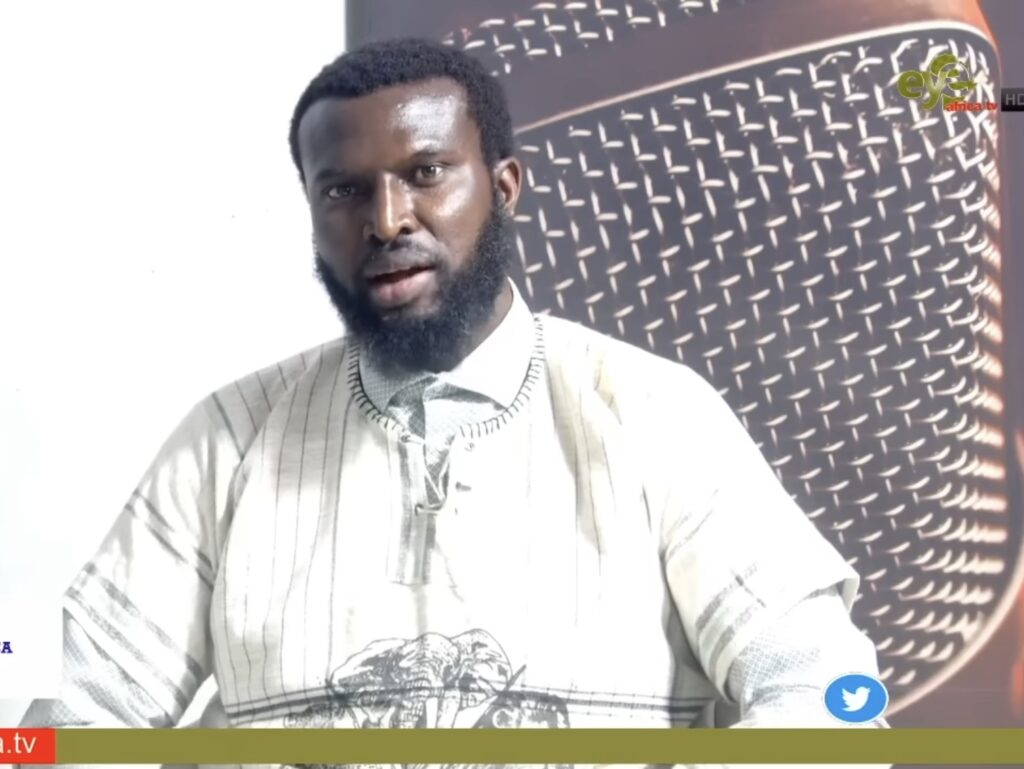
Malagen Media Monitoring has identified a circulating Facebook video featuring the Chairman of the Brikama Area Council (BAC), Yankuba Darboe, containing statements that raise serious concerns about incitement and inflammatory political rhetoric.
The approximately seven-minute video, which has garnered dozens of shares, hundreds of reactions, and significant engagement online, includes remarks in which Chairman Darboe states:
“Blood must shed, that is his (President Barrow’s) legacy… he wants to kill innocent Gambians and we will give him blood, we will make sure change happens.”
He further suggested that peaceful political transition in The Gambia has become abnormal, implying that loss of life is inevitable in the process of change.
Why This Is Concerning
Malagen has flagged these remarks as dangerous speech due to their potential to inflame political tensions and normalize violence at a highly sensitive political moment. The Gambia is approximately seven months away from the 2026 presidential election, an election widely expected to be competitive and closely contested.
Statements invoking bloodshed or suggesting violence as a pathway to political change risk legitimizing aggression, heightening polarization, and undermining public confidence in peaceful democratic processes. When such language comes from a senior elected official, the potential impact is amplified. Political leaders hold significant influence over supporters, and rhetoric of this nature can embolden extremist behavior or trigger retaliatory responses.
A Growing Pattern of Political Rhetoric
This incident does not occur in isolation. In recent years, inflammatory and confrontational political language has increasingly become common among political leaders and their supporters. Findings from the National Human Rights Commission (NHRC) survey on hate speech indicate that political figureheads are among the primary peddlers of hate and dangerous speech in the country. This pattern calls for urgent reflection and corrective action within political parties and leadership structures.
Notably, in 2025, Malagen Media Monitoring similarly flagged a senior executive member of the United Democratic Party (UDP) for rhetoric that carried comparable risks of incitement. The recurrence of such language across party lines demonstrates that the issue transcends individual actors and reflects a broader political culture that requires reform.
Context
Since the democratic transition of 2017, The Gambia has made measurable progress in strengthening civic space, rebuilding institutions, and restoring public trust. However, unchecked dangerous speech threatens to reverse these gains.
As elections approach, political competition must be grounded in policy debates, accountability, and civic engagement, not threats, intimidation, or violent imagery.
History has shown that seemingly rhetorical calls for violence can escalate quickly, particularly in highly polarized environments. Early intervention and public condemnation of such speech are essential to prevent escalation.
Why This Matters:
The significance of this rhetoric goes beyond a single speech or political rivalry. When influential leaders frame political competition in terms of bloodshed, it gradually shifts the boundaries of what is considered acceptable in public discourse. Language that evokes violence can normalize the idea that elections are battlegrounds rather than civic exercises, increasing anxiety among citizens and discouraging open participation.
Such statements also risk deepening polarization at a time when national cohesion is essential. In a tense pre-election environment, even emotionally charged or metaphorical expressions can be interpreted literally by supporters or opponents. This creates fertile ground for misinformation, retaliation, or spontaneous unrest. Ultimately, the repeated use of inflammatory language weakens democratic culture, erodes trust in peaceful transitions of power, and places unnecessary strain on the country’s stability.
Conclusion
Given his position as BAC Chairman and a prominent political figure, Mr. Darboe bears a heightened responsibility to communicate in a manner that promotes peace, restraint, and democratic values. Public officials must model the standards they expect from citizens.
Political parties must take responsibility for restraining their leaders and promoting rhetoric that prioritizes dialogue, civic participation, and peaceful competition. The normalization of inflammatory language in political discourse must be decisively addressed before it translates into real-world harm.
Malagen Media Monitoring will continue to track and report speech that threatens peace, public confidence, and the integrity of The Gambia’s democratic process.
