
Fact Check: Who Earns More—Teachers or National Assembly Members?
Claims that teachers earn more than National Assembly Members in The Gambia have circulated widely. A review of official pay structures and verified payslips shows that lawmakers earn significantly more than government-employed teachers, this fact-check separates perception from reality.
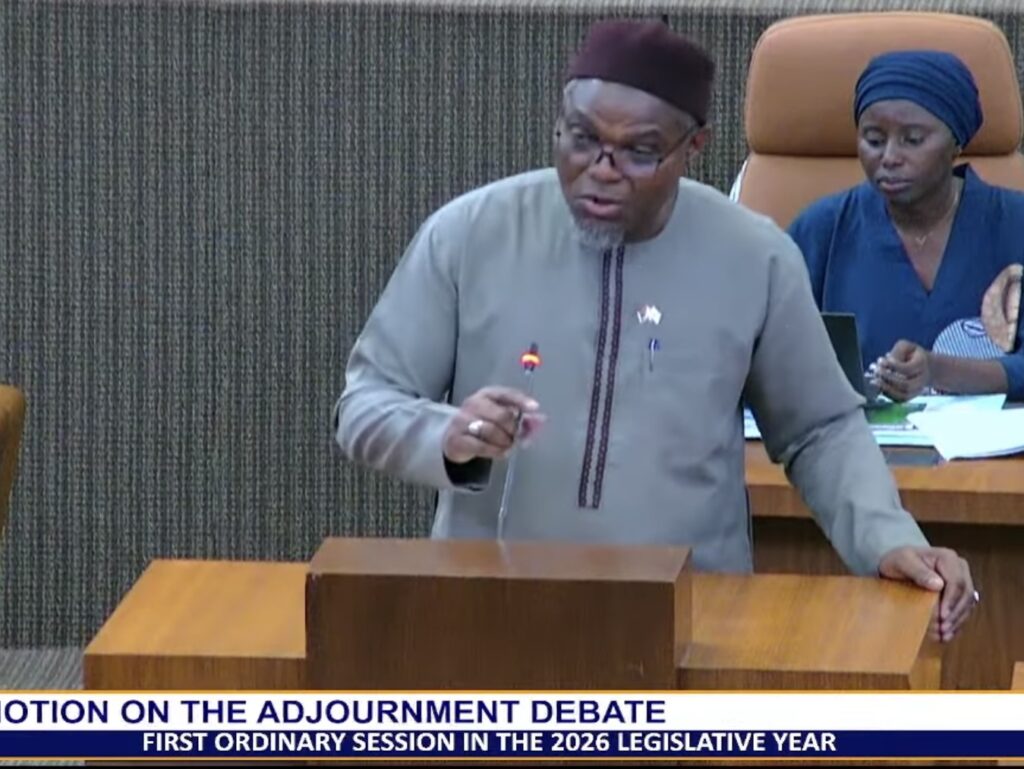
On April 2, 2026, The Gambia’s Vice President, Muhammad B.S. Jallow, appeared before the National Assembly during deliberations on the State of the Nation Address delivered by President Adama Barrow on March 27, 2026. The session, part of the Assembly’s constitutional oversight role, allows members to scrutinize government policies and raise sector-specific concerns, including public sector wages.
During his response, the Vice President stated:
“Some members felt that teachers are not having much. I can assure you that some teachers may actually earn more than you (NAMs) at the end of the day.”
He further added:
“We are all teachers. Sometimes we behave like we are poor, but what we take home is more than what you take home.”
Given the weight of this claim suggesting teachers may earn more than elected lawmakers, Malagen set out to verify it.
Malagen Verifies:
What Do National Assembly Members Earn?
Members of the National Assembly (NAMs) in The Gambia receive a consolidated monthly salary package that combines a fixed basic salary with several allowances tied to their official duties. These allowances are intended to compensate for additional responsibilities and the demands of legislative service, such as committee work, constituency representation, and leadership roles within the Assembly.
- Basic salary: D78,000 per month
- Total gross earnings (including allowances): Approximately D145,000–D150,000 per month
- Variations: Positions such as the Speaker, Deputy Speaker, and Majority and Minority Leaders receive higher pay than ordinary NAMs due to the extra responsibilities associated with their roles
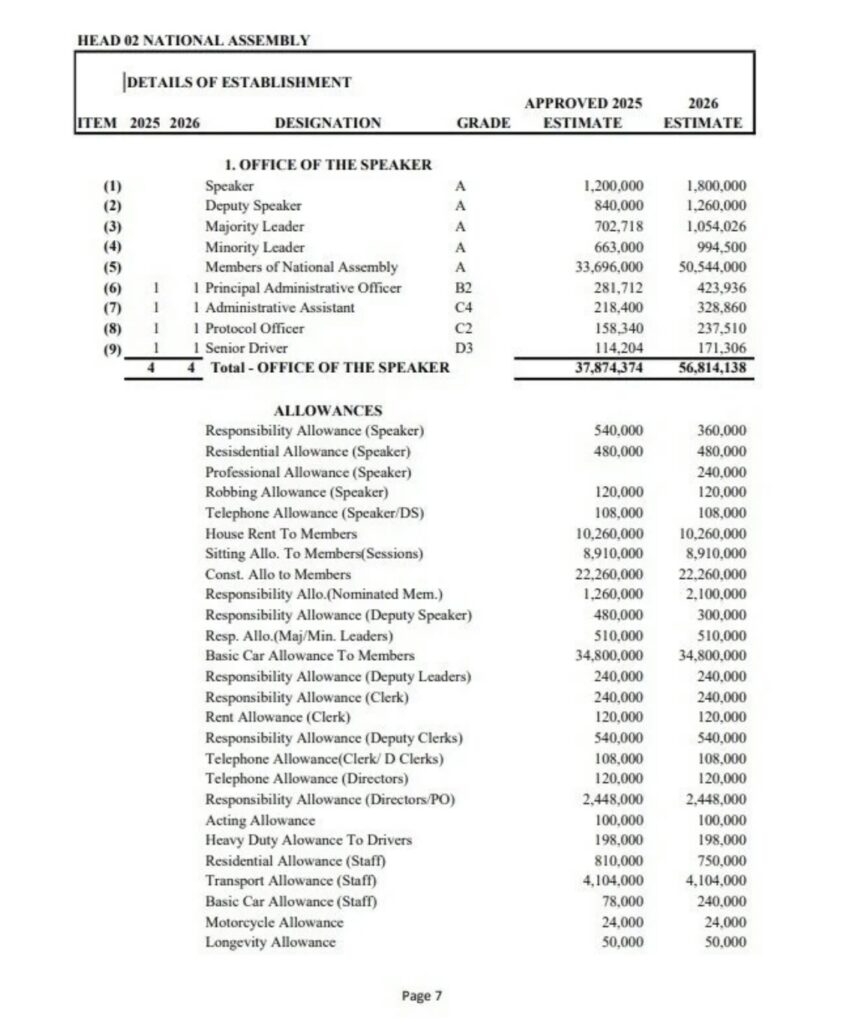
This package represents the total earnings before statutory deductions, such as taxes and other contributions, and reflects the full compensation for performing both the core and extended duties of a National Assembly Member.
What Do Government Teachers Earn?
Malagen reviewed the new integrated civil service pay scale and a recent payslip of a government-employed graduate teacher classified under Grade 8. The review shows how teachers’ earnings are structured:
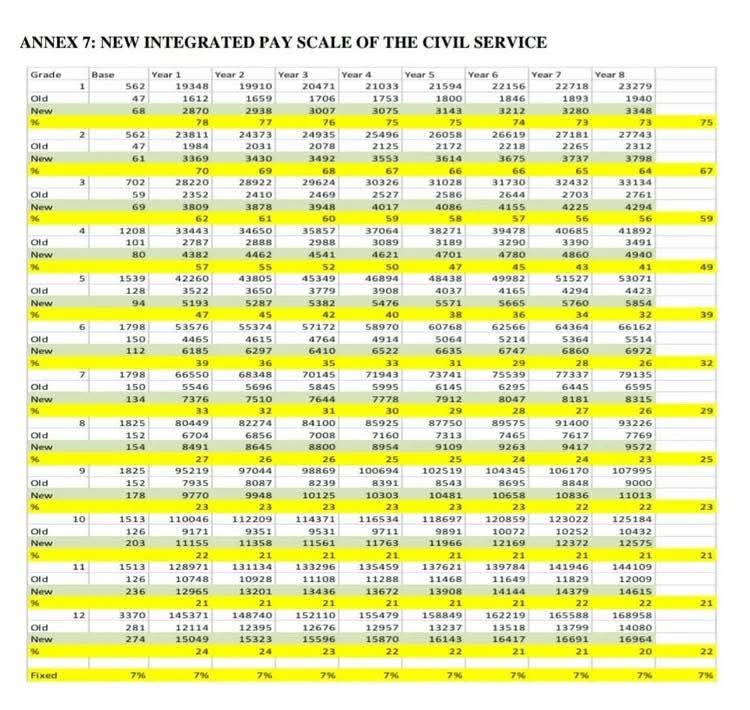
- Basic salary: D9,417 per month
- Total gross earnings (including allowances): D22,426 per month, which factors in benefits such as responsibility allowances and graduate-level incentives
- Net take-home pay: Lower after statutory deductions like taxes and pension contributions
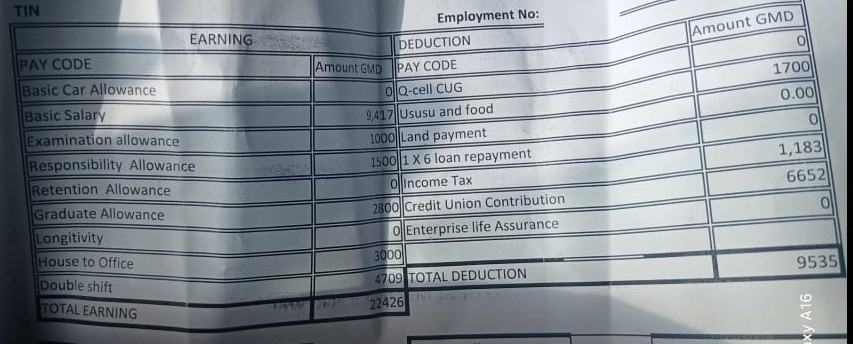
Payslip of a government-employed graduate teacher showing monthly earnings and allowances.
Even when all applicable allowances are included, a graduate teacher’s total monthly earnings remain far below the gross salary of a National Assembly Member, highlighting the significant gap between the two pay structures.
The Comparison
To put the salary differences into perspective:
- Graduate teacher (Grade 8): D22,426 per month (gross, including allowances)
- National Assembly Member (NAM): D150,000 per month (gross, including allowances)
If we divide D150,000 by D22,426, the result is roughly 6.7. This means that the monthly salary of a single National Assembly Member is equivalent to the combined monthly earnings of nearly seven graduate teachers at this pay level.
While this comparison does not take into account differences in job responsibilities, working conditions, or the scope of duties, it clearly illustrates the substantial disparity in earnings between the two roles. It shows that even when allowances are considered, teachers earn far less than lawmakers under the current pay framework.
Context
Teachers are among the most important public servants in The Gambia, playing a critical role in shaping human capital and supporting national development. Concerns about their salaries, working conditions, and retention have been raised repeatedly, reflecting ongoing discussions about how to motivate and retain skilled educators.
However, a review of civil service pay scales and verified payslip evidence shows that teachers, including graduate-level educators, do not earn more than members of the National Assembly. While the Vice President’s remarks may have been intended rhetorically or to highlight the broader value of public service, the available salary data clearly indicates that lawmakers’ total monthly earnings remain significantly higher than those of teachers.
Conclusion
Based on the reviewed salary data, National Assembly Members in The Gambia earn a total gross monthly income of approximately D145,000 to D150,000, which includes their basic salary and various allowances. In contrast, a graduate teacher under Grade 8 receives a basic salary of D9,417, and even after factoring in all applicable allowances, their total gross earnings amount to only D22,426 per month.
This comparison highlights a substantial difference in earnings: the salary of one National Assembly Member is roughly equivalent to the combined monthly income of nearly seven graduate teachers. While teachers play a vital role in national development, the available salary data clearly shows that they do not earn more than lawmakers.
The claim that teachers earn more than National Assembly Members is FALSE and not supported by official salary data.
