
Dangerous Speech Alert: Mayor Bensouda Flagged for Inflammatory Statement
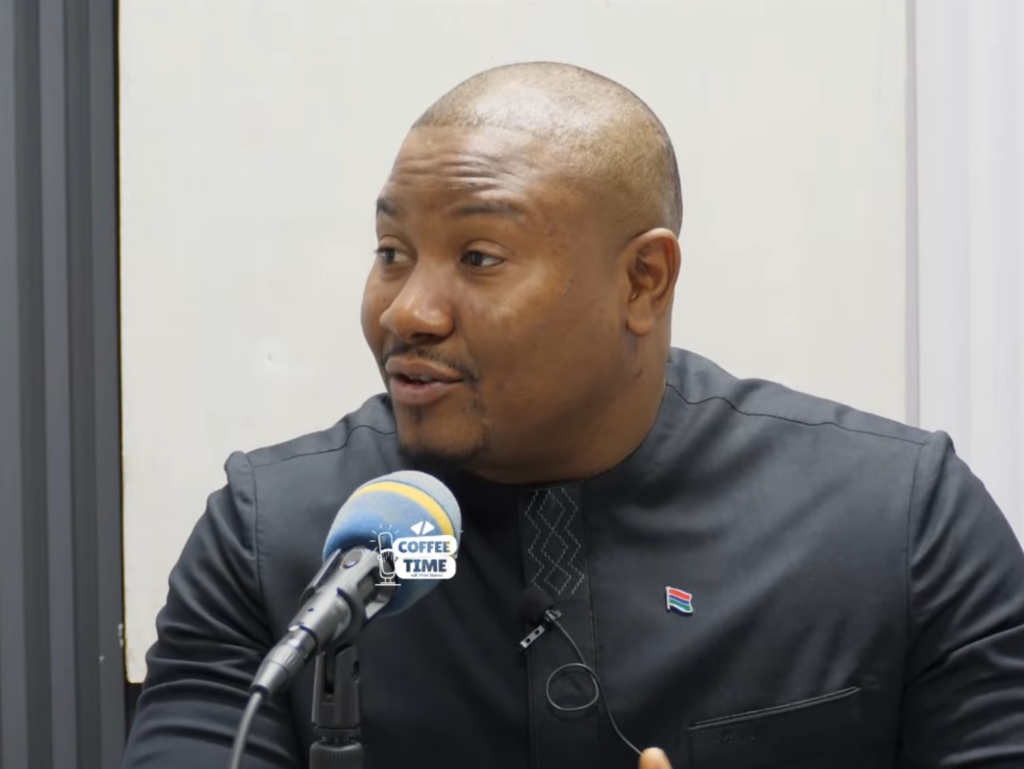
Claims about the registration of foreign nationals and minors during elections are increasingly circulating, largely driven by politicians and their supporters. Mayor Bensouda has now joined those casting doubt on The Gambia’s electoral system, alleging the registration of foreign nationals without providing evidence to support the claim.
On 16 February 2026, during the prime-time radio programme Coffee Time on West Coast Radio, Talib Bensouda, Mayor of the Kanifing Municipal Council, alleged irregularities in voter registration, claims he did not substantiate with evidence.
At timestamp 11:57 of the broadcast, the mayor stated:
“The registration of voters are basically illegal, meaning registration of people who are not legal to vote, including foreign nationals, including underage participants.”
The remarks come as The Gambia prepares for the 2026 presidential election.
Why This Matters
The Independent Electoral Commission (IEC) is constitutionally mandated to organise and supervise elections in The Gambia. Its credibility underpins public confidence in electoral outcomes.
Since the political transition in 2017, Gambian elections have been observed by regional and international missions — including ECOWAS, the African Union, the European Union, and domestic civil society organisations. These observers have generally assessed the processes as transparent and credible, reinforcing the country’s democratic standing in the subregion.
Alleging that voter registration is “basically illegal,” without presenting supporting evidence, risks undermining that confidence at a critical political moment.
The Risks of Inflammatory Rhetoric in an Election Year
Election cycles are periods of heightened political sensitivity. Claims of electoral malpractice particularly when made by influential leaders can quickly shape public perception, whether proven or not.
In a politically engaged and closely connected society like The Gambia, such statements can:
- Erode trust in the electoral commission
- Deepen partisan suspicion
- Amplify misinformation
- Create conditions for post-election disputes
Across democracies, unverified allegations of fraud have at times triggered instability and prolonged political crises. In evolving democratic systems, responsible communication from political actors is essential to preserving peace and institutional trust.
Why the Statement is dangerous
Mayor Bensouda is a prominent elected official. His platform gives his words influence beyond routine political debate.
Public officials have the right and, where necessary, the duty to raise concerns about governance. However, allegations that question the legitimacy of electoral processes carry serious implications. Democratic accountability requires that such concerns be supported by verifiable evidence and pursued through established legal mechanisms.
The IEC provides formal procedures for reporting and investigating voter registration irregularities. Using those channels allows claims to be examined without prematurely weakening public confidence.
Precision and restraint in public messaging are particularly important when addressing matters that directly affect national stability. The Gambia’s democratic progress over the past decade remains significant but still developing. Public trust in electoral institutions has been central to maintaining stability during political transitions.
As the 2026 presidential election approaches, political leaders, media outlets, and citizens alike share responsibility for ensuring that public discourse strengthens rather than strains democratic institutions.
Evidence-based criticism strengthens democracy. Broad allegations without proof can weaken it.
Conclusion
With elections on the horizon, statements from political leaders carry heightened weight.
Mayor Bensouda’s claims regarding voter registration, made without accompanying evidence, risk casting doubt on the integrity of the electoral system. In a charged political environment, careful and responsible rhetoric is essential.
Democracy depends not only on institutions, but also on how those in positions of influence choose to use their voice.
About Malagen Media Monitoring
Malagen Media Monitoring tracks and counters misinformation, disinformation, hate speech, and dangerous speech.
Report to Us:
If you have observed misinformation, hate speech, or dangerous rhetoric, please contact:
📧 editor.malagen@gmail.com
📱 +220 3834715 (Call/WhatsApp)
