
Malagen Flags GDC Leader’s Statements as Dangerous Rhetoric
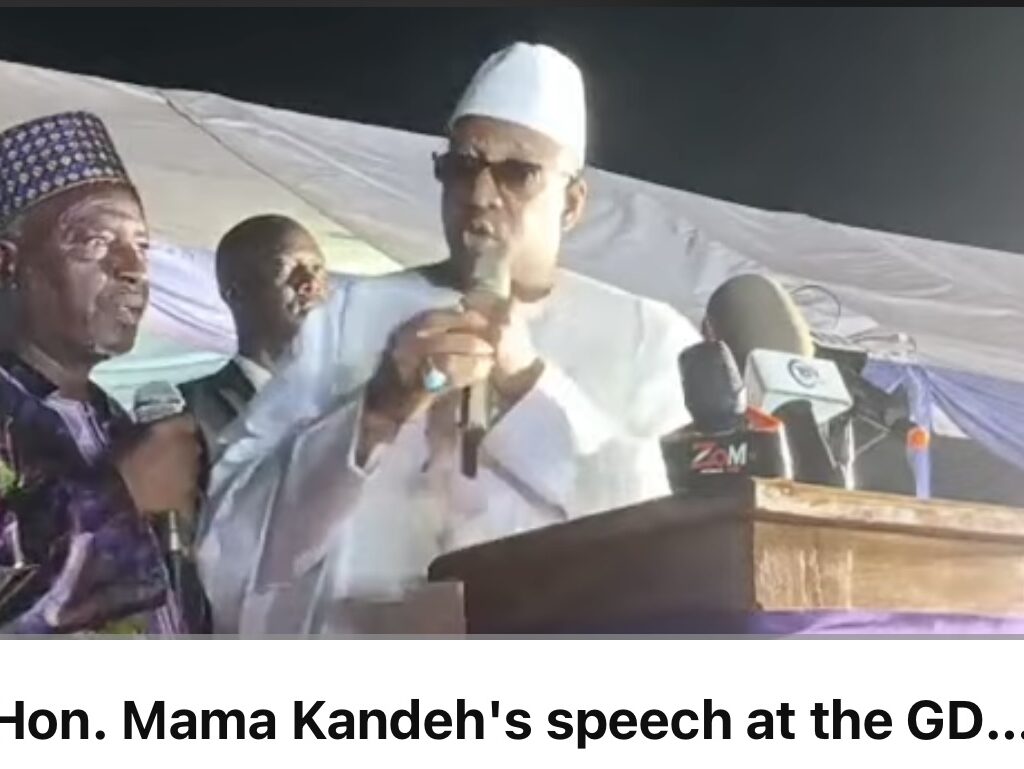
Malagen has flagged statements by the GDC leader as potentially harmful to public trust in key democratic institutions. Such rhetoric, especially ahead of elections, risks undermining confidence in the electoral process and increasing public tension.
Malagen Media Monitoring has flagged statements made by the leader of the Gambia Democratic Congress (GDC), Mamma Kandeh, during a political rally in the Buffer Zone, Kanifing Municipal Council, on January 5th, 2026 as potentially harmful to public trust in key democratic institutions.
The remarks, which were circulated widely on social media, were delivered ahead of the upcoming presidential election, a period that requires heightened responsibility in public communication.
In the reviewed footage, Mr. Kandeh made unverified claims implicating the Independent Electoral Commission (IEC) and the judiciary as institutions capable of destabilizing countries. Given his political influence and public following, such assertions risk fueling mistrust and undermining confidence in institutions that are central to democratic governance, electoral integrity, and conflict resolution
Claim 1
Between the 30- and 34-minute mark of a video widely circulated on social media, Mr. Kandeh stated, in Wolof (translated and reviewed by Malagen Media Monitoring):
“Two institutions in Africa can set countries ablaze — the Independent Electoral Commissions and the justice systems.”
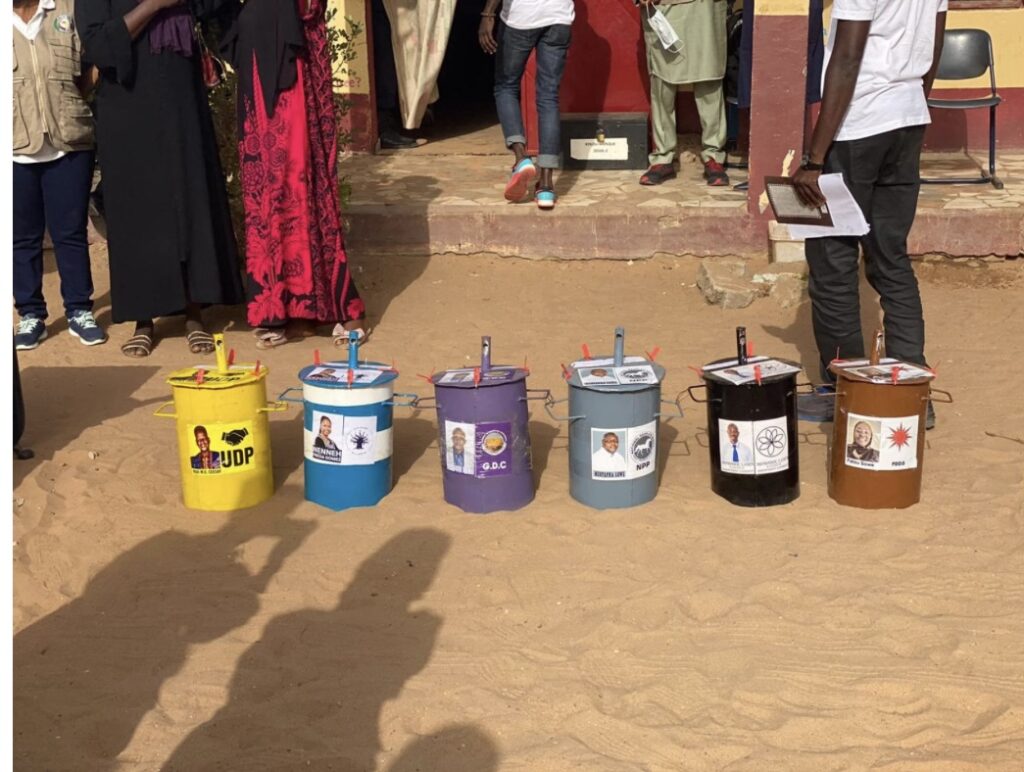
Malagen flagged this statement as dangerous given Mr. Kandeh’s influence and following, both within The Gambia and among diaspora communities. Suggesting that electoral and judicial institutions can “set countries ablaze” risks inflaming tensions and undermining trust in two pillars essential to democratic stability.
Why this matters:
The IEC and the judiciary are cornerstones of democracy, particularly before, during, and after elections. Casting doubt on their integrity without evidence can fuel suspicion, deepen political divisions, and increase the risk of conflict. Beyond their democratic role, these institutions also serve as mechanisms for peacebuilding and conflict resolution. In a small, politically engaged society like The Gambia, rhetoric that questions their legitimacy can quickly erode public confidence and heighten polarization.

Claim 2
In the same video, between the 34- and 36-minute mark, Mr. Kandeh claimed that the IEC was “exporting voters from other countries” and insisted that the Commission should only register Gambian citizens.
Why this matters:
Mr. Kandeh presented no evidence to support the claim that the IEC registers non-Gambians or imports voters. He further accused the Commission of bias and warned that his party “will not take things lightly this time,” again without providing proof of electoral malpractice or financial impropriety.
Recycling such allegations without substantiation especially in the lead-up to a national election risks damaging public trust in the IEC and the broader electoral process. Statements of this nature can discourage voter participation, foster suspicion, and create hostility toward electoral officials and institutions.
It is also important to note that The Gambia’s elections have consistently been observed by international, regional, and domestic bodies, including ECOWAS, the African Union, the European Union, and local civil society organizations. These observers have repeatedly described the country’s elections as free, fair, and transparent, and have never flagged the incidence of IEC registering non-Gambians or importing voters. Mr. Kandeh has made similar claims about the IEC and the judiciary in the past without evidence. Malagen Media Monitoring flagged comparable rhetoric last year, underscoring a pattern that continues to raise concern.
Conclusion:
Given his political stature, Mr. Kandeh carries a responsibility to communicate with restraint and precision particularly on issues that touch on national stability and electoral integrity.
Protecting The Gambia’s democratic gains requires political actors, media platforms, and institutions to prioritize responsible speech. Allegations of wrongdoing should be raised through appropriate legal and institutional channels, and only when supported by evidence not through public rhetoric that risks inflaming tensions.
Public discourse should instead focus on strengthening citizens’ confidence in the electoral system and reassuring voters that their voices matter and their ballots count.
As the 2026 presidential election approaches, Malagen Media Monitoring will continue to track and report rhetoric that threatens peace, public trust, or the credibility of The Gambia’s democratic process.
