
Dangerous Speech Alert: BAC Chairman’s Claims Undermine Electoral Trust
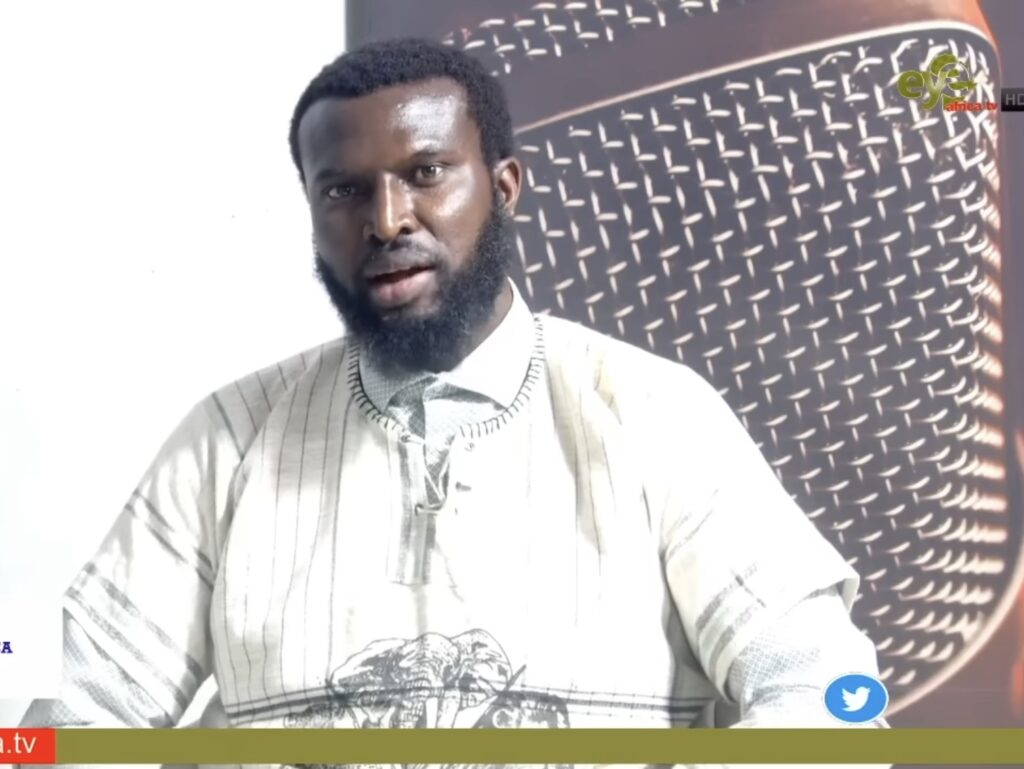
“Claims of a stolen election: BAC Chairman’s words threaten trust in The Gambia’s democracy.” Yankuba Darboe’s unverified allegations about the 2021 presidential election risk fueling political tension, undermining the IEC, and discouraging voters as the country approaches the 2026 polls.
Yankuba Darboe, Chairman of the Brikama Area Council (BAC), has been flagged by Malagen Media Monitoring for issuing potentially dangerous political rhetoric aimed at undermining confidence in the country’s electoral process and the Independent Electoral Commission (IEC). Mr. Darboe made the remarks during an appearance on Eye Africa TV.
The Statement
Between the 1:00–3:32 timestamp of the broadcast, Mr. Darboe stated:
“We (UDP) believe that the 2021 presidential election was stolen from us. It was rigged. We believe that the National People’s Party (NPP) stole our votes.”
When the host asked him to provide evidence or explain how the NPP allegedly stole the election, he replied: “NPP would be in a better position to answer that.”
Why Malagen Flagged the Statement
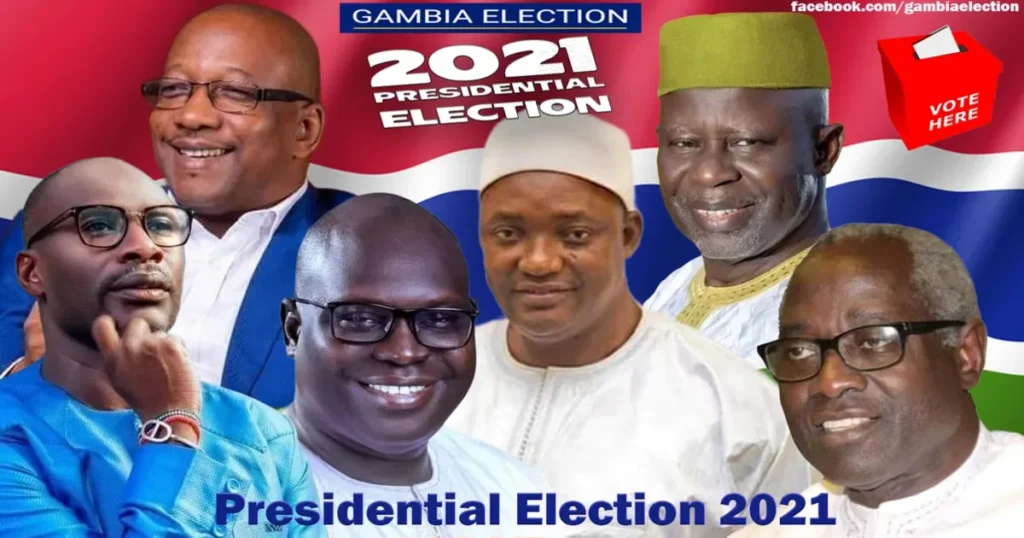
Malagen Media Monitoring considers Mr. Darboe’s remarks concerning because they carry the potential to inflame political divisions, undermine confidence in the electoral system, and weaken public trust ahead of the 2026 presidential election. Reintroducing unsubstantiated claims of rigging—particularly without evidence—risks reopening political wounds from the 2021 election period.

Coming from a senior elected official, such rhetoric can shape public opinion, discourage electoral participation, and cast doubt on the credibility of the IEC at a moment when the country is preparing for another crucial national vote.
Context
Mr. Darboe’s statements mirror the United Democratic Party’s (UDP) post-2021 allegations of electoral irregularities and supposed foreign interference. After the 2021 presidential election, the UDP filed a challenge at the Supreme Court contesting the results. The case was dismissed on procedural grounds. Following this, regional and international observer missions—including ECOWAS, the African Union, the European Union, and domestic civil society groups—consistently assessed the election as free, fair, and transparent.
Despite these assessments, narratives of “rigging” and “foreign interference” have persisted within some political spaces and periodically resurface around voter registration and national ID issuance. The reintroduction of these claims, especially so close to the 2026 election cycle, risks deepening public mistrust in the IEC. It reinforces the belief that the electoral system is compromised, potentially fueling voter apathy, heightening polarization, and increasing the likelihood of tensions during the upcoming electoral process.
Why This Matters
The Independent Electoral Commission is central to The Gambia’s democratic stability. Its ability to function effectively depends on public confidence in its neutrality and competence. Casting doubt on the IEC without substantiated evidence undermines its role as the guardian of electoral integrity, weakens trust in election outcomes, and can contribute to conflict—particularly in a small and politically active society where narratives spread quickly and take on communal meaning.
Electoral bodies are not only democratic institutions; they are also mechanisms for peacebuilding and conflict resolution. Public trust is therefore essential to maintaining stability before, during, and after elections.
Potential Political Impact
Rhetoric of this nature has significant political implications. It can erode trust in the IEC to the extent that citizens begin to question whether their votes truly count. In a competitive political environment such as the Kombos, it may deepen polarization among supporters and heighten tensions during voter registration, campaigning, and the announcement of election results.
Such claims, when amplified online, can spread rapidly and become tools for misinformation, fueling anger or suspicion. This environment increases the risk of political unrest, particularly if parties mobilize supporters around the belief that the system is not credible. Ultimately, it may discourage voter turnout, as citizens may feel disillusioned or convinced that participation is pointless.
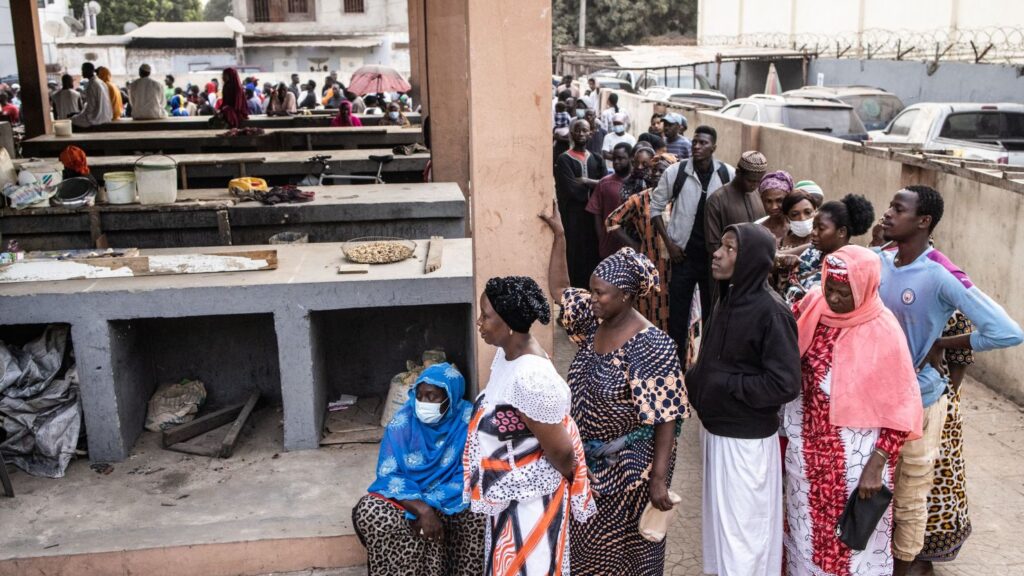
As the country approaches the 2026 presidential election, unchecked dangerous speech may weaken The Gambia’s democratic stability and reverse gains made since 2017.
Conclusion
Given his position as BAC Chairman and a prominent political figure, Mr. Darboe carries a heightened responsibility to communicate with accuracy and restraint—particularly on matters that touch on electoral integrity.
Safeguarding The Gambia’s democratic progress requires political leaders, media platforms, and institutions to prioritize responsible speech. Allegations of electoral misconduct should be pursued through proper legal and institutional channels, supported by verifiable evidence—not through public rhetoric that risks inflaming tensions.
Moving towards the 2026 election, rebuilding and reinforcing public trust in electoral institutions must remain a collective priority. Malagen Media Monitoring will continue to track and report speech that threatens peace, public confidence, or the credibility of The Gambia’s democratic processes.
