
FALSE — Not Every Household in CRR Has Access to Clean Water and Electricity
Contrary to claims, not every household in the Central River Region has access to clean drinking water or electricity, as many villages still rely on NGO and community-funded projects.
Claim
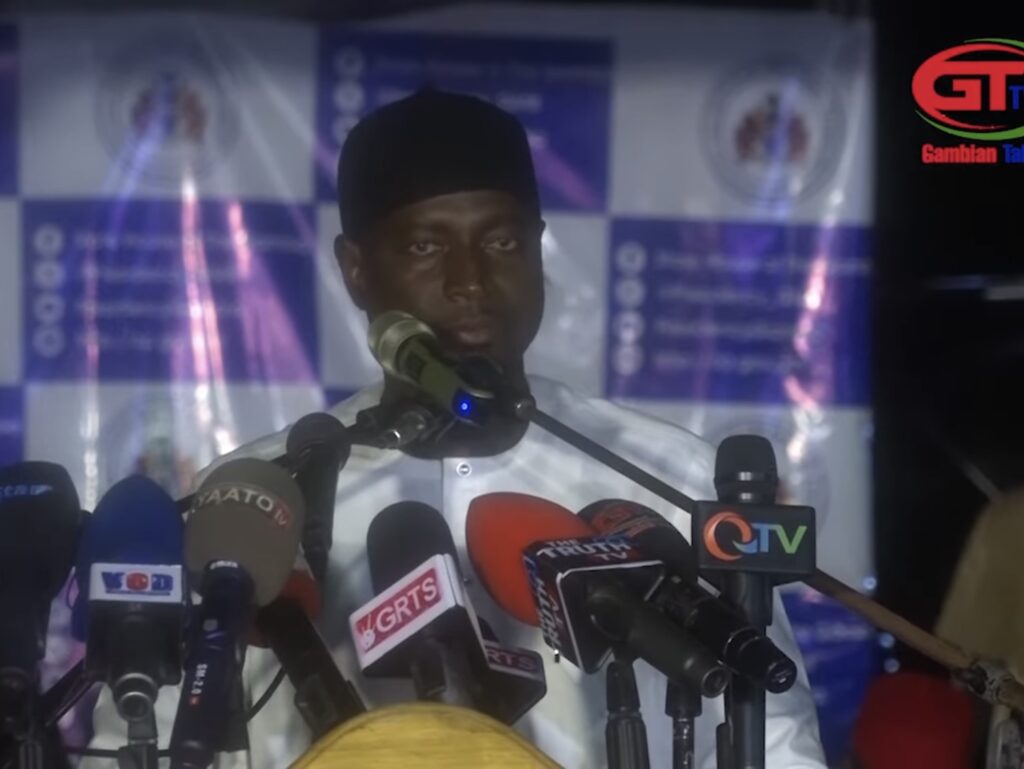
Seedy S.K. Njie, Deputy Public Relations Officer of the National People’s Party (NPP) and Deputy Speaker of the National Assembly, joined President Adama Barrow on the “Meet the People Tour.”
During their meeting on 14 November 2025 in Njoben, a village in the Central River Region (CRR), Deputy Speaker Njie claimed, in Fula (translated by Malagen, 3:10 minutes), that:
“Every village, big or small, has been given access to clean drinking water and electricity by President Barrow.”
The claim implied absolute access to clean drinking water and electricity for every household in CRR.
Fact-Check
The Central River Region is one of the country’s five administrative regions and is generally considered among the poorest in The Gambia. Because of its vulnerability, the region has benefited from several water and electricity projects, but most of these initiatives predate the current administration or are funded by NGOs, diaspora communities, and charitable foundations—not the government.
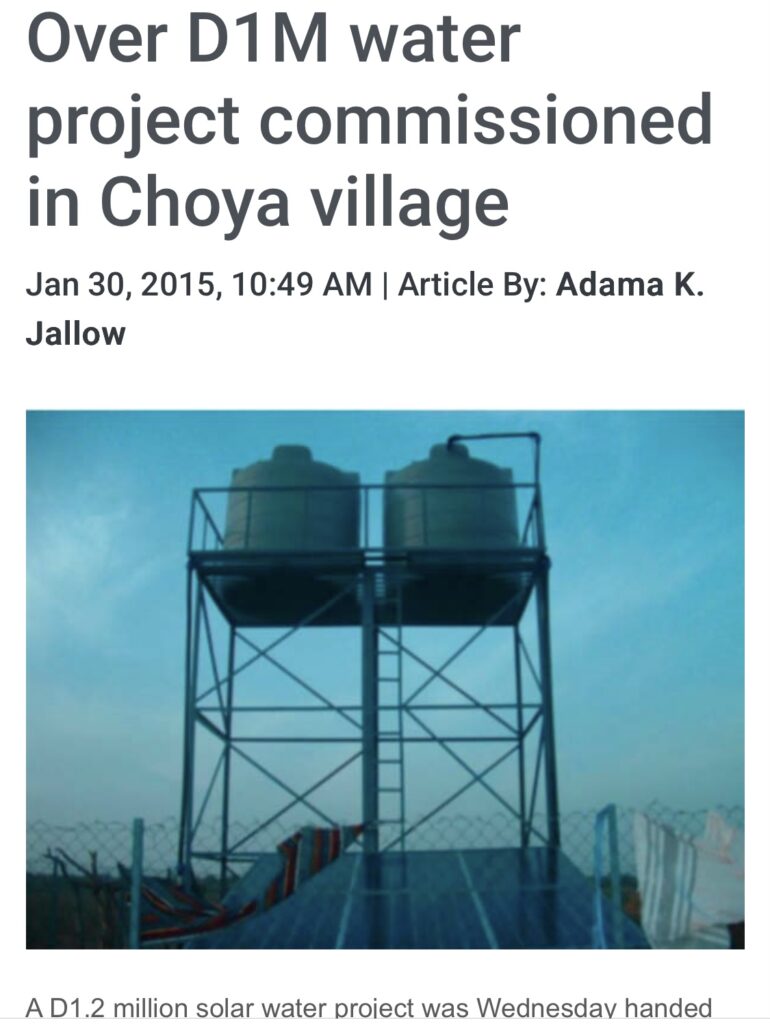
Several villages in CRR, such as Choya, Sarre Bakary, Madina Wallom, and Sarre Sambel (all in Niamina West), received boreholes funded by GAMRUPA-Europe, a Dutch-based foundation, in 2015. Villages like Pinai, Katamina, and Mali Kunda also have long-standing access to clean drinking water through community-based initiatives.
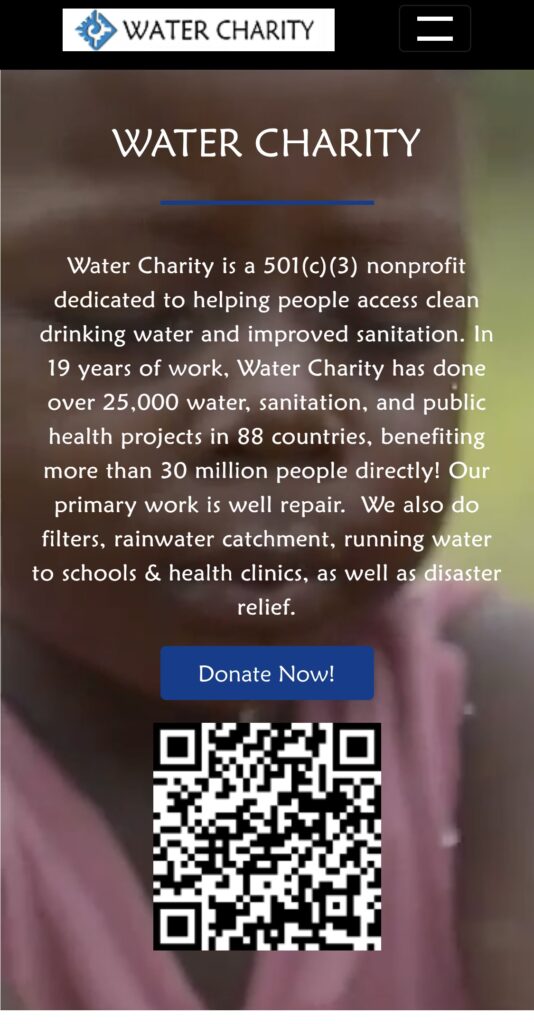
Other NGOs, such as Water Charity, have provided clean water to villages including Si Kunda, Kalikajara, and Sinchu Nyugaru. Some small communities, however, such as Dankunda Fula Kunda, still lack access to safe drinking water, though projects like the SLOW LIFE Foundation’s Clean Water Projects initiative are now helping address these gaps.
Importantly, none of these water projects were funded by President Barrow’s administration. Many have been in place for decades, with GAMRUPA-Europe active in Sifoe since 2002, providing electricity only in limited areas and makeshift water supplies in the countryside.
Regarding electricity, Malagen contacted multiple villages in CRR. While poles and meters have been installed, many households do not yet receive electricity. The project is ongoing, and full access has not been achieved.
Verdict
Seedy Njie’s statement is inaccurate. Not every household in CRR currently has access to clean drinking water or electricity. Many communities rely on NGO and diaspora-funded initiatives, and electricity provision is still incomplete.
