
Malagen Flags Mamma Kandeh’s Inflammatory Statements

Malagen found Kandeh’s remarks to contain dangerous undertones that risk eroding confidence in key democratic institutions as the country heads toward the 2026 elections.
Malagen Media Monitoring flagged two unverified claims made by Mamma Kandeh, leader of the Gambia Democratic Congress (GDC), in a Wolof-language video that has been widely shared on social media. The 3-minute, 43-second video was translated and reviewed by Malagen.
Speaking to supporters at his Kitty residence, Kandeh made these claims, raising concerns that such rhetoric could weaken public confidence in critical state institutions ahead of the 2026 presidential elections — anticipated to be one of the most closely contested in The Gambia’s history.
Claim 1:
“Two institutions in Africa will set countries ablaze — the Independent Electoral Commissions and the Justice Systems.”
Malagen flagged this statement as dangerous because of the influence and following of Mr. Kandeh both within The Gambia and among diaspora communities. Suggesting that electoral and judicial bodies could “set countries ablaze” risks inflaming tensions and eroding public confidence in two of the nation’s most critical democratic institutions.
Why this matters:
The Independent Electoral Commission (IEC) and the judiciary are cornerstones of democracy — especially before, during, and after elections. Casting doubt on their integrity without evidence can fuel distrust and conflict. Electoral bodies and the judiciary are not only democratic and accountability institutions but also, by their function, are peacebuilding and conflict resolution mechanisms for which it is necessary that citizens recognize and trust them. In a small, politically active society like The Gambia’s, such rhetoric can easily undermine public trust and confidence in them, thereby quickly spreading and heightening divisions.

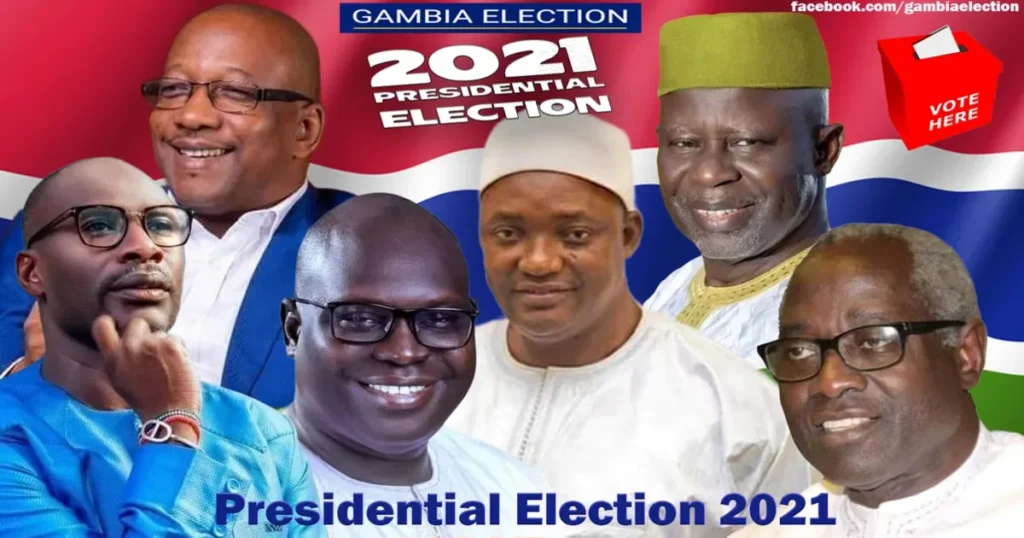
It is also important to note that The Gambia’s electoral processes have consistently been observed by international, regional, and local monitors — including ECOWAS, the African Union, the European Union, and domestic civil society groups. Over the years, these elections have been widely described as free, fair, and transparent, strengthening the country’s reputation for democratic maturity in the subregion.
Claim 2:
“We have seen how they load our money in pickup trucks and roam at night distributing it. It is a shameful act.”
Mr. Kandeh further accused the IEC of bias and warned that his party “will not take things lightly this time.” However, he provided no evidence to support these allegations of electoral malpractice or financial impropriety.
By reviving such claims without substantiation, particularly ahead of a national election, Kandeh risks eroding public trust in the IEC and the broader electoral process. Such statements can discourage voter participation, fuel suspicion, and create an atmosphere of hostility toward electoral officials and institutions.
Conclusion:
Given his political stature, Mr. Kandeh bears a responsibility to exercise restraint and precision in public communication — especially on matters that affect national stability and electoral integrity.
Protecting The Gambia’s democratic gains requires that political actors, media platforms, and institutions prioritize responsible speech. Allegations of irregularities should be raised through appropriate legal and institutional mechanisms and when there is evidence, and not through public rhetoric that could inflame tensions.
Public discourse should instead focus on reinforcing citizens’ confidence in the electoral system and reassuring voters that every ballot counts.
As the 2026 presidential elections draw nearer, Malagen Media Monitoring will continue to track and report rhetoric that threatens peace, public trust, or the credibility of The Gambia’s democratic process.
