
Fact-Check: Viral Photo of MC Cham Jr. and Mayor Talib Bensouda Is Manipulated

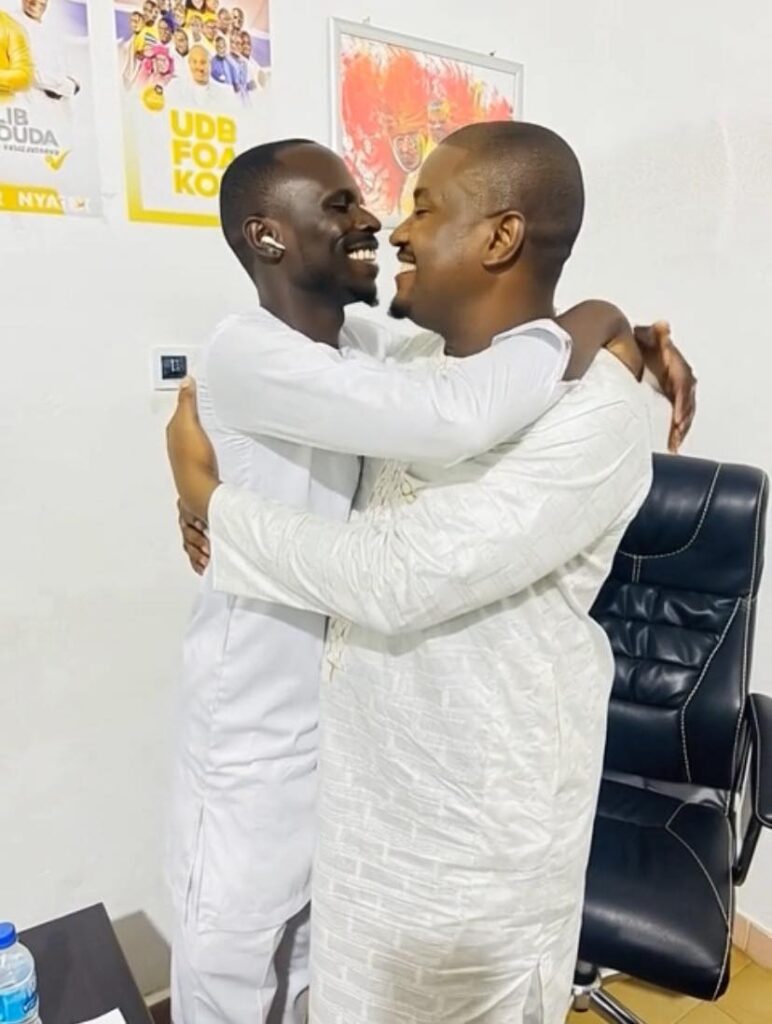
A viral photo showing Kanifing Mayor Talib Bensouda and Councillor MC Cham Jr. appearing to kiss is digitally manipulated. The image, shared by a pro-NPP Facebook page, misled dozens of users who believed it was genuine. Using Google Images and TinEye, Malagen Media Monitoring traced the original photo to 2023, proving it had been altered.
On 13 October 2025, a photo showing Kanifing Mayor Talib Bensouda and Councillor MC Cham Jr. appearing to almost kiss went viral on social media. It was shared on the Facebook page NPP Must GO26, which openly supports the ruling National People’s Party (NPP).
The post, captioned “Politics in The Gambia just unlocked ‘surprise mode.’ Let’s grab popcorn, this movie just got interesting,” has received numerous reactions and comments, with many users believing it to be real.
What Malagen Found:
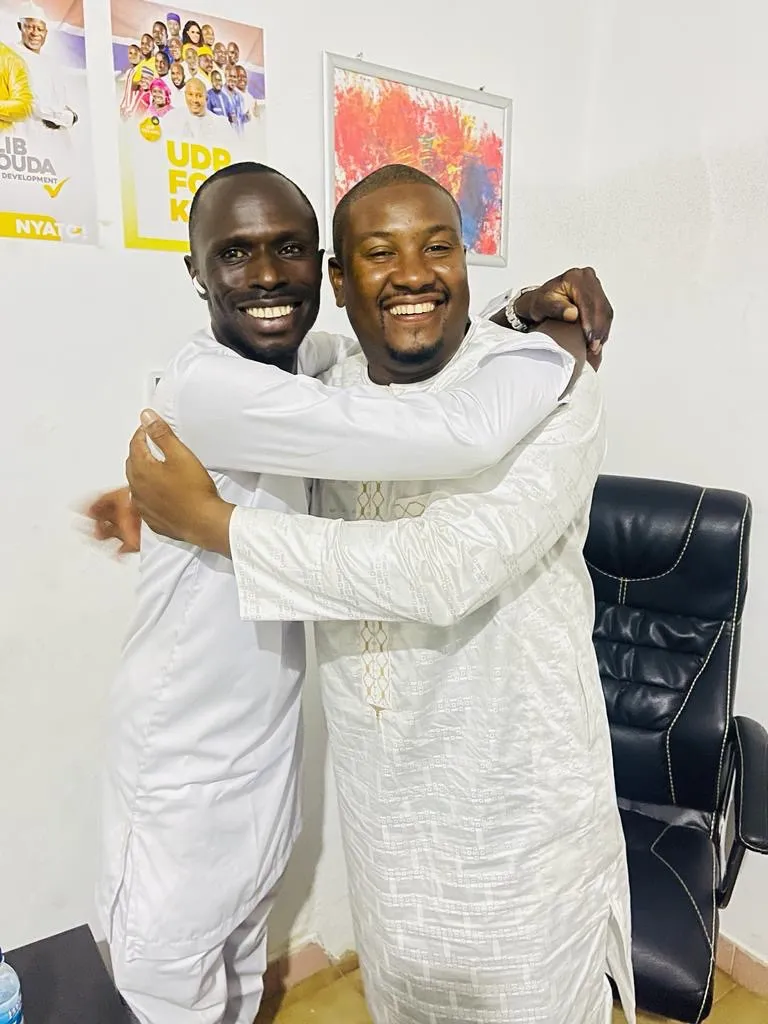
Using Google Images and TinEye, tools widely used to track and verify images, Malagen traced the photo’s origin. We found that the same image was first posted on MC Cham Jr.’s Facebook page on May 23, 2023, celebrating the re-election of Mayor Bensouda.
The photo was also previously published by The Standard newspaper on July 16, 2023, under the headline “Talib Convinced Me to Join UDP.”
This demonstrates that the viral version circulating now is manipulated, taken out of its original context. The post followed a series of other manipulated videos earlier this month, including one involving councillors Neneh Freda Gomez and MC Cham.
How to Identify AI-Generated or Manipulated Content:
- Check for inconsistent lighting, shadows, or facial features that look unnatural.
- Use reverse image searches (Google Images, TinEye) to verify the original source.
- Look for metadata or EXIF data in images, and check for editing software tags.
- Be cautious of content that seems sensational or too good to be true; AI and deepfake tools can easily create convincing fakes.
Risks Ahead:
As The Gambia approaches what is expected to be a highly contested election, AI-manipulated photos and videos are likely to become increasingly widespread. These technologies make it easier to create realistic but false images or videos that can be shared widely on social media and messaging platforms. Political figureheads and their supporters may use such content to distort facts, smear opponents, or exaggerate events, influencing public perception in real time.
The potential impact on the electoral process is significant. During the presidential campaign, manipulated content can shape narratives, create confusion about candidates’ actions or statements, and polarize voters.
For instance, false images or videos could be used to falsely portray a candidate in compromising situations, or to falsely show endorsements or opposition by influential figures.
On election day itself, AI-generated misinformation could be used to sow distrust in the voting process, create panic, or spread false reports of voter fraud, turnout issues, or irregularities at polling stations.
This can undermine public confidence in the electoral system, discourage voter participation, and even spark tensions in communities.
The speed and scale at which AI-manipulated content spreads mean that false narratives can take hold before fact-checkers have time to respond, making proactive monitoring and public awareness crucial.
Recommendations for the IEC, Political Parties, and Citizens
- Independent Electoral Commission (IEC): The IEC should establish dedicated systems to monitor AI-generated or manipulated content, working closely with fact-checking organizations and media platforms to quickly identify and respond to false information. Proactive monitoring can help protect the integrity of the electoral process and maintain public confidence.
- Political Parties: All political parties should publicly condemn the use of manipulated content and implement internal guidelines to ensure their campaigns do not spread misinformation. Responsible communication is essential to prevent false narratives from influencing voters or undermining democratic processes.
- Citizens: Members of the public should remain vigilant and report suspicious or potentially manipulated content to Malagen or other trusted fact-checking organizations for verification before sharing it. Civic awareness is a critical defense against misinformation.
Malagen Media Monitoring will continue to track, verify, and clarify manipulated and AI-generated content in real time, delivering accurate information to the public and helping safeguard a transparent and well-informed electoral process.
